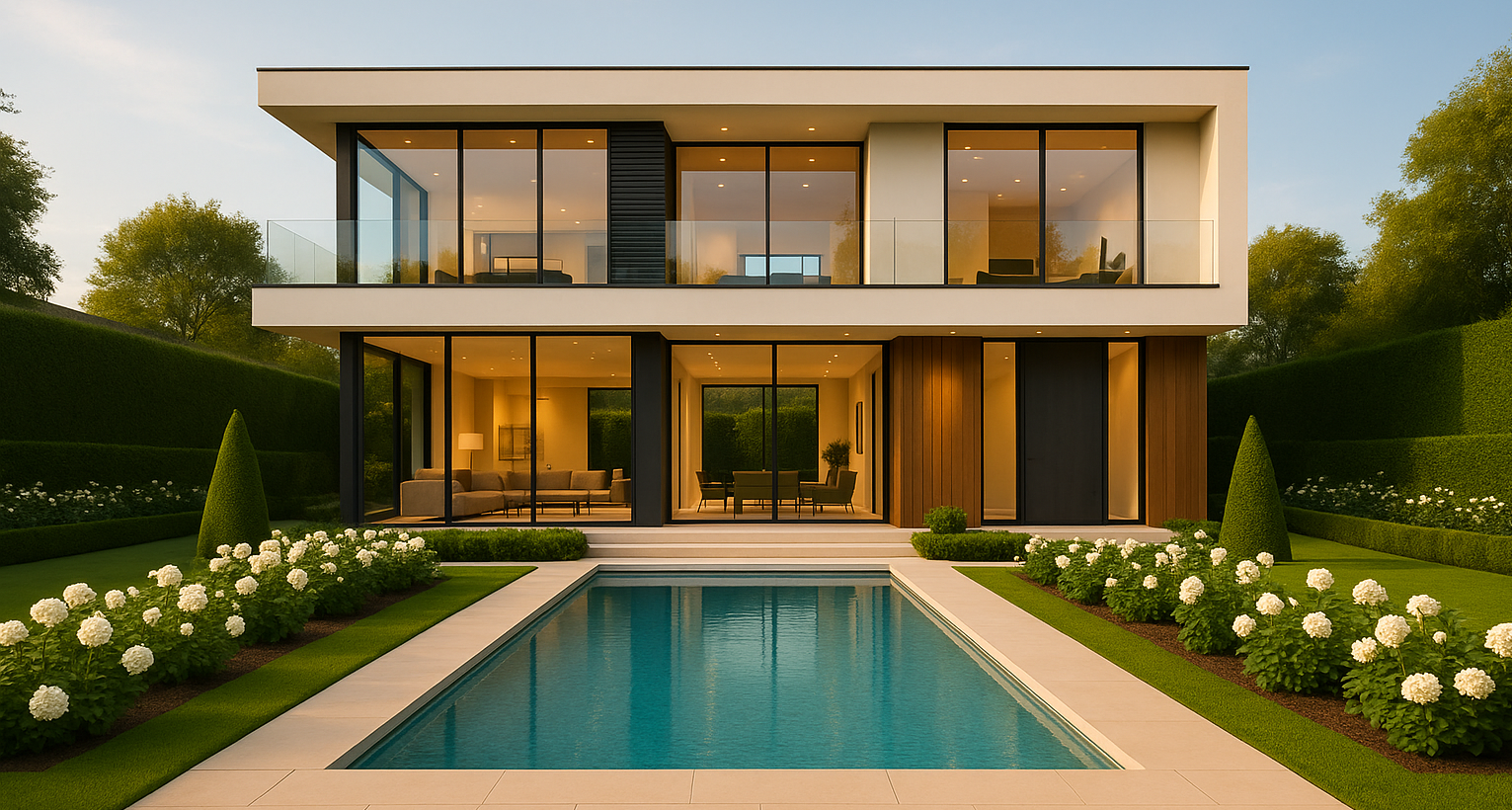

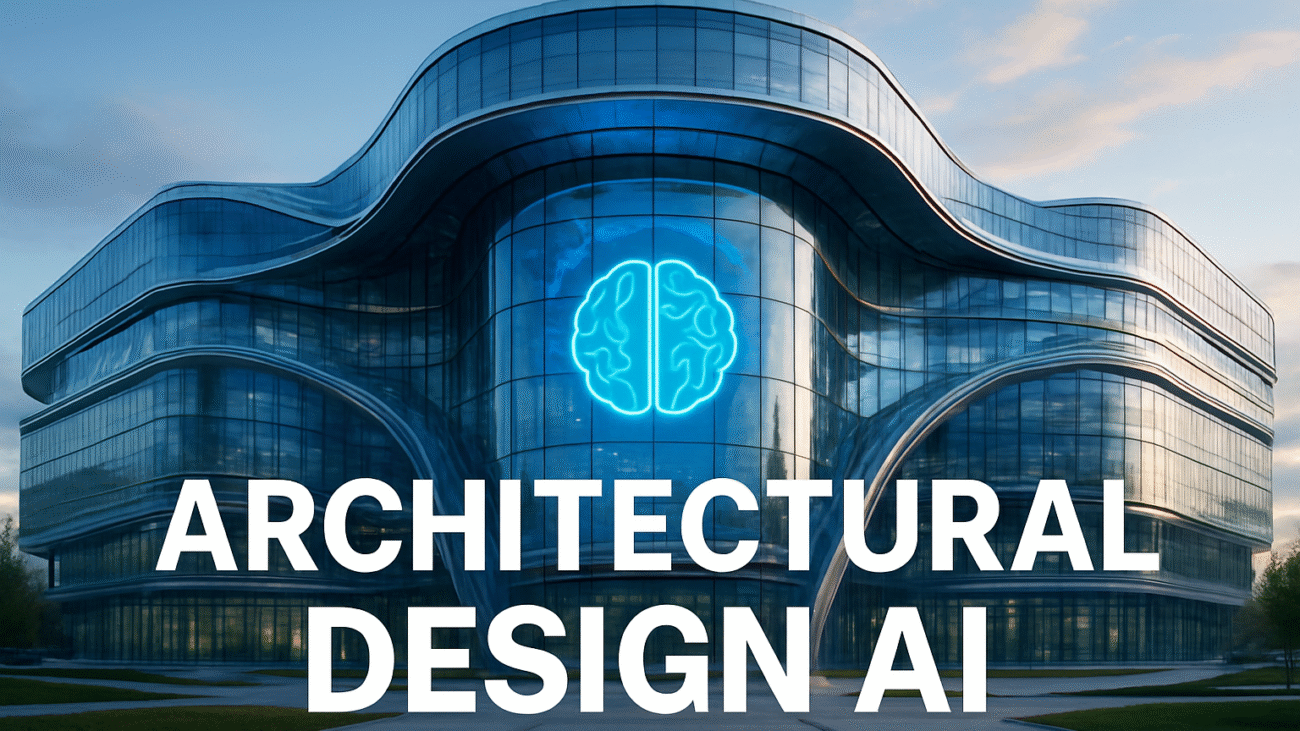
A futuristic glass building symbolizing the world’s largest Artificial Intelligence university, with the title “Architectural Design AI” displayed beautifully on the image.

Architectural Design AI
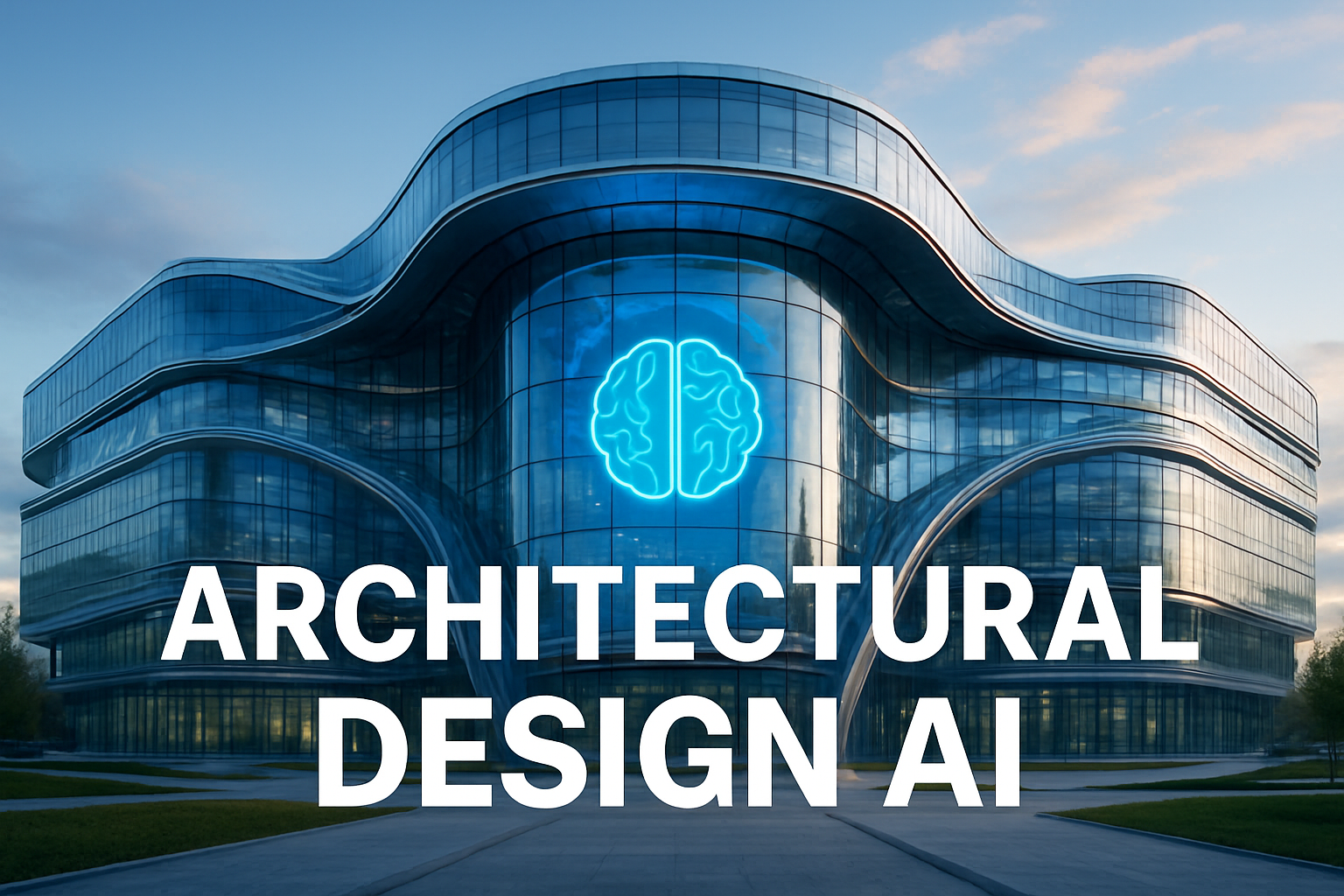
Architectural Design AI

A futuristic glass building symbolizing the world’s largest Artificial Intelligence university, with the title “Architectural Design AI” displayed beautifully on the image.

Architectural Design AI : Revolutionizing Architecture for the Future

Topics : AI in architecture, generative design, AI architecture tools, sustainable architecture

Introduction to Architectural Design AI

Architectural Design AI is transforming the way architects and designers conceptualize, create, and manage architectural projects. This integration of artificial intelligence (AI) into the design process is more than just a technological advancement; it’s a fundamental shift in how buildings are imagined, designed, and constructed. AI in architecture provides powerful tools for automating design tasks, optimizing building performance, and creating more sustainable, innovative spaces. By harnessing the power of machine learning and data-driven algorithms, AI is poised to reshape the future of architectural design.


Generative Design: AI-Powered Innovation

One of the most impactful aspects of Architectural Design AI is generative design. Through AI algorithms, architects can explore a vast number of design alternatives based on specific input parameters, such as spatial requirements, environmental constraints, and aesthetic preferences. This technology doesn’t just generate random options; it optimizes designs for function, sustainability, and form, allowing architects to uncover creative solutions that traditional methods might overlook.

By analyzing large datasets, such as material performance, climate data, and site conditions, generative design algorithms can suggest highly efficient and sustainable design options. This allows for a deeper exploration of possibilities, ultimately enhancing creativity and offering unique solutions that align with both client needs and environmental considerations.


Optimizing Accuracy and Efficiency with AI

Another significant contribution of AI to architecture is its ability to streamline the drafting and modeling phases of design. AI-powered software can automate time-consuming tasks like drafting complex geometries or detecting structural issues in digital models. With Building Information Modeling (BIM), AI can also facilitate real-time analysis, enabling architects to make better decisions and avoid costly errors during the construction process.

These technologies increase accuracy and speed, reducing human error while enhancing overall project efficiency. By automating repetitive tasks, architects and designers are free to focus on the creative aspects of the project, ultimately reducing the timeline and costs associated with design iterations.


Sustainability: AI for Environmentally Responsible Design

Sustainability is one of the key focuses of modern architectural practice, and AI is helping architects design with the planet in mind. Through AI-powered simulations and predictive analytics, architects can assess energy consumption, daylight distribution, and thermal performance early in the design process. By simulating various environmental conditions, AI helps optimize designs for energy efficiency, passive cooling, and overall building performance.

AI also plays a crucial role in selecting sustainable materials by analyzing lifecycle data. With this technology, architects can make informed decisions about material choices, ensuring that every aspect of the design is environmentally responsible. This not only reduces a building’s carbon footprint but also ensures compliance with green building certifications like LEED and BREEAM.


AI in Urban Planning and Large-Scale Projects

Beyond individual buildings, AI is also transforming the way architects approach urban planning and large-scale developments. By analyzing demographic trends, traffic patterns, and infrastructure data, AI can help create smarter, more livable cities. Urban planners can use AI to simulate various development scenarios, assess their impact on the community, and make data-driven decisions that promote urban resilience and improve quality of life.

AI tools in urban design also enhance the ability to forecast future needs. By incorporating historical data and predictive models, architects can design spaces that adapt to changing conditions, such as population growth, environmental changes, and evolving urban needs.


AI and Immersive Visualization Tools

The integration of AI with virtual reality (VR) and augmented reality (AR) technologies is providing architects and clients with a more immersive design experience. AI-driven visualization tools create hyper-realistic renderings and 3D walkthroughs, allowing stakeholders to experience proposed designs before construction begins. These tools enhance collaboration and communication, ensuring that the design aligns with client expectations and making the decision-making process more efficient.


Challenges and Considerations in AI Adoption

Despite the numerous advantages, the adoption of Architectural Design AI also presents challenges. There are ethical concerns about data privacy and the potential loss of the human touch in creative processes. Additionally, the technology requires specialized skills, and as AI continues to advance, architects must be prepared to integrate AI tools responsibly and effectively into their practice.

Training and education will play an essential role in equipping architects with the necessary skills to work with AI technologies. It’s important to ensure that AI serves as a tool to enhance human creativity, not replace it, and that the integration of AI in architecture leads to better outcomes for both the built environment and society.


The Future of Architectural Design with AI

As Architectural Design AI continues to evolve, its role in the design process will only become more integral. From generative design to sustainability and performance optimization, AI is reshaping the boundaries of what is possible in architecture. The integration of AI will enable architects to design smarter, more sustainable, and more responsive built environments that better meet the needs of their clients and communities.

By embracing AI, architects can push the limits of creativity, enhance building performance, and create environmentally responsible designs that stand the test of time. As the technology evolves, the future of architectural design will be one that blends human creativity with the power of AI, unlocking new possibilities for the next generation of architects.


 Embracing AI for the Future of Architecture

Architectural Design AI is revolutionizing the architecture profession by merging creativity, technology, and sustainability. Through generative design, AI-powered tools, and real-time performance analysis, AI enables architects to create buildings that are not only functional and aesthetically pleasing but also environmentally responsible and future-ready. The continued integration of AI in architecture promises to reshape how we design and construct buildings, making the industry more efficient, creative, and sustainable than ever before.

By adopting AI, architects can stay at the forefront of innovation, creating smarter, more sustainable designs that address the challenges of tomorrow’s world. The future of architecture is here, and it’s powered by AI.
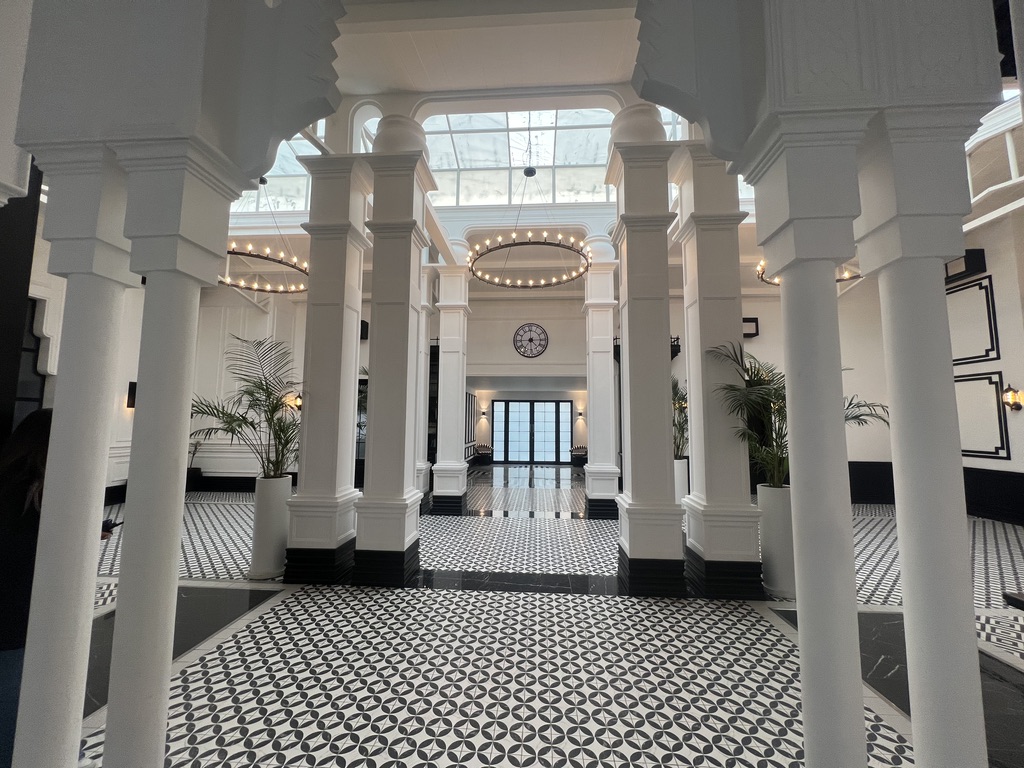
Grand Wedding Hall

Grand Wedding Hall

View Project
How to Plan a Successful Villa Renovation Without Stress

How to Plan a Successful Villa Renovation Without Stress

Read Article
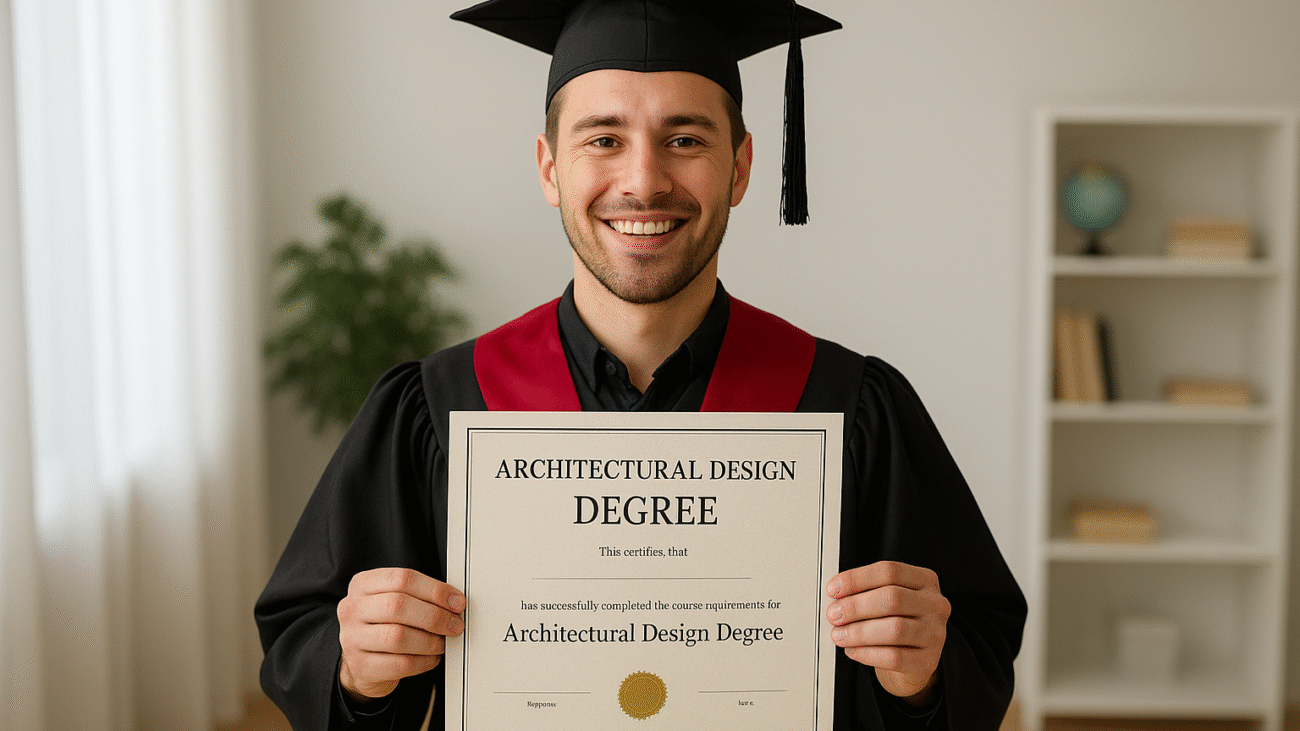
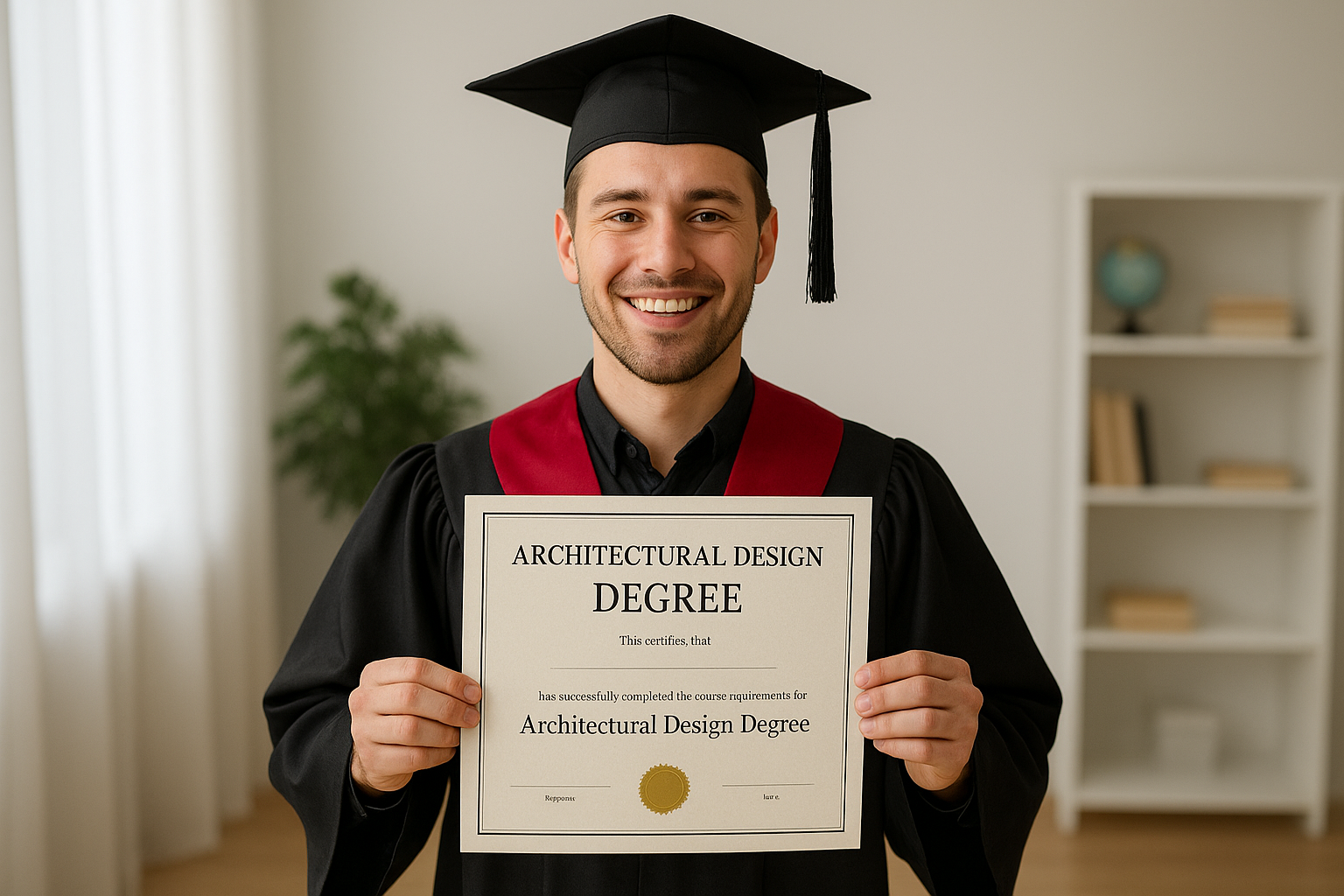
A smiling young male graduate wearing a black cap and gown with a red stole, proudly holding his Architectural Design Degree certificate indoors

Architectural Design Degree

Architectural Design Degree

A smiling young male graduate wearing a black cap and gown with a red stole, proudly holding his Architectural Design Degree certificate indoors

Architectural Design Degree: Programs, Careers, and Future Opportunities

Topics : architectural design degree , architecture degree programs , online architecture degree , engineering and architectural design

What Is an Architectural Design Degree ?

An architectural design degree is a multidisciplinary academic program that prepares students to become innovative professionals capable of shaping the built environment. It integrates artistic creativity, technical precision, engineering knowledge, and sustainability principles to train future architects and designers who can transform ideas into functional and inspiring spaces.

Students gain a deep understanding of architecture, urban planning, construction technology, and environmental systems, equipping them to address modern challenges such as urbanization, climate change, and sustainable development. Through theory and hands-on experience, this degree cultivates the balance between creativity and practicality—an essential quality for every successful architect.

Core Curriculum and Learning Experience

The journey toward an architectural design degree begins with foundational courses in drawing, mathematics, design theory, and architectural history. These build critical skills in visualization, proportion, and spatial awareness. As students progress, they encounter advanced topics such as:

  1. Building Information Modeling (BIM)
  2. Structural Engineering and Materials Science
  3. Digital Modeling and 3D Visualization
  4. Sustainable Design and Environmental Systems
  5. Project and Construction Management

A defining feature of most programs is studio-based learning. In studio courses, students develop original design projects, present their ideas, receive critiques, and refine their concepts through iterative processes. This mirrors real-world practice and encourages collaboration, problem-solving, and innovation.

Technology and Sustainability in Architecture

Modern architecture relies heavily on digital tools and sustainable thinking. Students become proficient in AutoCAD, Revit, Rhino, SketchUp, and Adobe Creative Suite, which are industry standards for drafting, modeling, and rendering. Many universities also introduce virtual reality (VR) and simulation tools that allow designers to visualize and test their projects in immersive environments.

Sustainability is now a cornerstone of architectural education. Courses in green building systems, energy efficiency, and renewable materials teach students to design with ecological responsibility. By integrating sustainable practices, graduates can create structures that minimize environmental impact and promote long-term well-being.

Interior Architectural Design Specialization

An interior architectural design degree focuses on the intersection of architecture and interior design. This specialization emphasizes how interior spaces influence human experience, health, and productivity. Students learn about space planning, lighting design, acoustics, materials, and ergonomics, ensuring that their designs are not only aesthetically pleasing but also functional and user-centered.

Technology and sustainability play crucial roles in this specialization as well. Designers use digital modeling tools and apply green design principles to create energy-efficient and eco-friendly interiors. Graduates often pursue careers in residential, commercial, hospitality, or healthcare design, or establish their own design studios catering to private clients.

Online Architectural Design Degree Options

The growth of online education has revolutionized how aspiring architects earn their degrees. An online architectural design degree offers a flexible, accessible, and affordable pathway to architectural education, particularly for working professionals or international students.

These programs maintain the same academic rigor as traditional ones but deliver it through virtual studios, interactive lectures, and digital collaboration tools. Students participate in group projects, receive real-time feedback from instructors, and often present their designs through virtual exhibitions.

Key benefits of online architecture degrees include:
  1. Flexibility: Study at your own pace and balance work or family commitments.
  2. Accessibility: Enroll in top programs without relocation.
  3. Technology-driven learning: Use BIM, 3D modeling, and VR tools remotely.

However, it’s essential to choose an accredited program (such as those recognized by the NAAB in the U.S. or equivalent bodies elsewhere). Accreditation ensures your degree meets professional standards and supports your eligibility for licensure.

Engineering and Architectural Design Integration

The engineering and architectural design degree bridges the gap between creativity and structural science. It combines engineering principles—like mechanics, materials, and physics—with architectural design thinking, enabling students to create structures that are both beautiful and technically sound.

Students in this hybrid program learn how to integrate aesthetics with functionality, design energy-efficient and safe buildings, and apply data-driven methods for construction optimization. They also explore renewable energy systems, sustainable infrastructure, and urban resilience—skills increasingly vital in the era of smart cities.

Graduates often work as architectural engineers, project consultants, sustainability experts, or construction managers, where they oversee projects from design through completion. The interdisciplinary nature of this education fosters collaboration and innovation across multiple sectors of the built environment.

Career Opportunities with an Architectural Design Degree

An architectural design degree opens a diverse range of career pathways. While becoming a licensed architect remains the most direct route, the degree’s flexibility allows graduates to explore many industries. Common career options include:

  1. Design and oversee construction of residential, commercial, and civic projects.
  2. Interior Designer: Develop functional and aesthetic indoor spaces tailored to user needs.
  3. Urban Planner: Shape sustainable city layouts, transport systems, and community spaces.
  4. Landscape Architect: Integrate nature with built environments to enhance outdoor areas.
  5. Project or Construction Manager: Supervise the execution of architectural projects.
  6. Sustainability Consultant: Implement eco-friendly design strategies and green certifications.
  7. 3D Visualization Artist or BIM Specialist: Create realistic renderings and manage digital design data.
  8. Academic or Researcher: Contribute to architectural theory, technology, or design innovation.

Additionally, entrepreneurial graduates often start their own firms, offering architectural, interior, or sustainability consulting services. With growing demand for smart, green, and resilient designs, these roles are more important than ever.

The Future of Architectural Design

The architectural profession is rapidly evolving in response to technological, environmental, and social changes. Artificial intelligence, parametric design, and generative modeling are transforming how architects conceptualize and optimize their work. Similarly, the global emphasis on sustainability and climate-resilient infrastructure is reshaping education and practice.

Future architects will need to master cross-disciplinary collaboration, data-driven design, and social responsibility. The best architectural design programs are already preparing students for this future—training them to think not only as designers but as innovators and problem solvers for a rapidly changing world.

An architectural design degree is far more than an academic qualification—it’s a gateway to shaping the physical world responsibly and creatively. By combining technical expertise, artistic vision, and sustainable principles, graduates are empowered to build environments that inspire, protect, and endure.

Whether pursuing architecture, interior design, or engineering-focused pathways, individuals with this degree are uniquely positioned to influence how we live, work, and interact with our surroundings. As technology and sustainability redefine the industry, the architectural design degree remains a powerful foundation for those determined to design a better, smarter, and greener future.

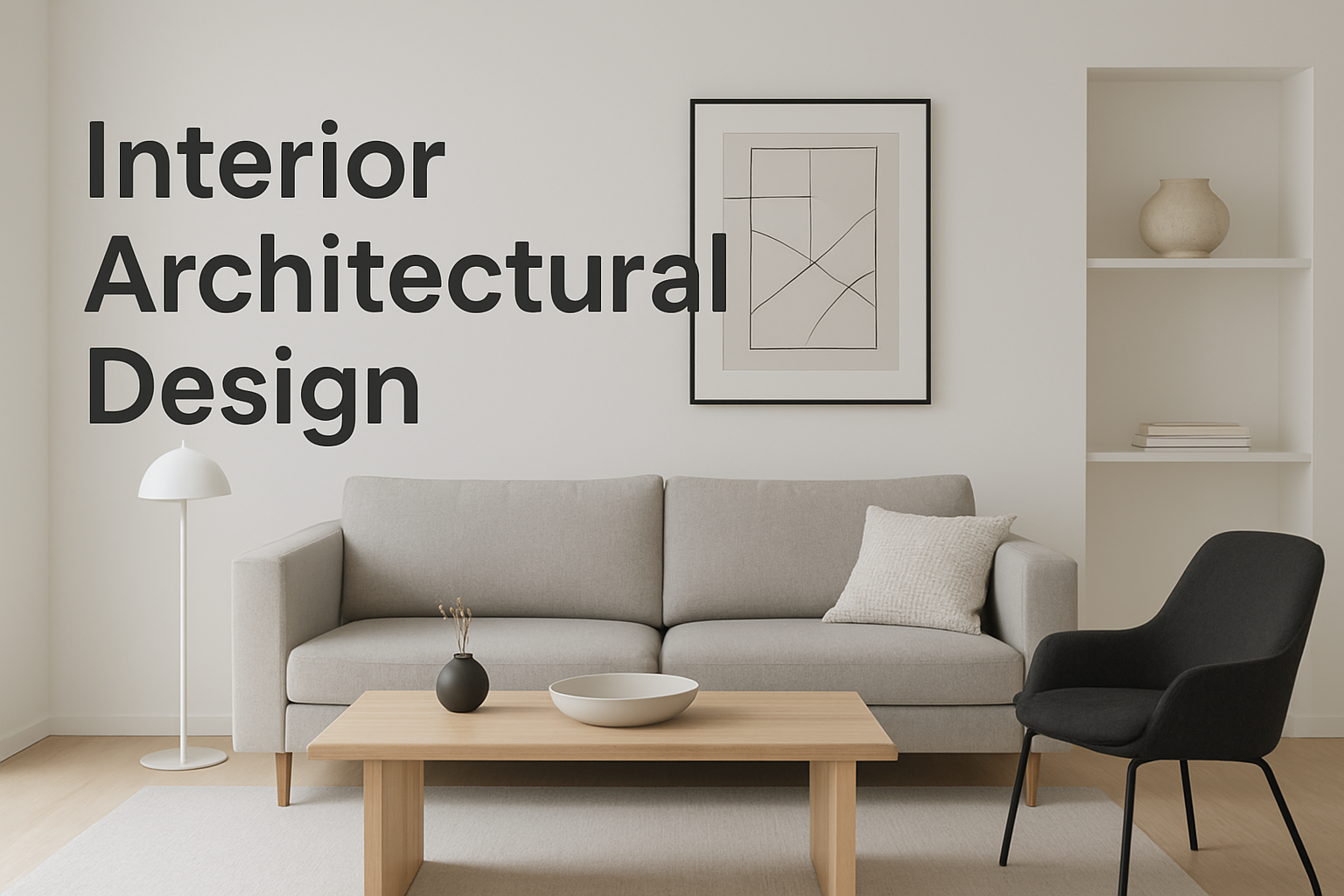
Interior Architectural Design

Interior Architectural Design

Interior Architectural Design

Interior Architectural Design

Understanding the Interior Architectural Design 

Interior architectural design is a multifaceted discipline that seamlessly blends aesthetics with functionality to create harmonious and inspiring indoor environments. At its core, interior architecture involves the thoughtful planning and design of interior spaces, considering both structural elements and decorative aspects to enhance the user experience. This field requires a deep understanding of spatial dynamics, materials, lighting, and human behavior, all aimed at crafting environments that are not only beautiful but also practical and comfortable.

A fundamental aspect of interior architectural design is space planning. This process involves organizing interior spaces to optimize flow, accessibility, and usability. Effective space planning ensures that every square foot serves a purpose, whether it’s a cozy living room, an efficient office, or a welcoming retail space. It requires an acute awareness of how individuals interact with their surroundings and the ability to anticipate their needs. Designers must consider furniture placement, circulation routes, and zoning to create intuitive and inviting environments.

Material selection is another critical component. The choice of materials impacts the aesthetic appeal, durability, acoustics, and sustainability of a space. Modern interior architects are increasingly advocating for eco-friendly and sustainable materials to minimize environmental impact. From natural wood finishes to recycled composites, the material palette offers endless possibilities for expressing style while maintaining functionality.

Lighting design also plays a pivotal role in interior architecture. Proper lighting enhances the visual appeal, emphasizes architectural features, and influences the mood of a space. Designers often combine natural light with layered artificial lighting—ambient, task, and accent—to create dynamic and adaptable environments. Thoughtful lighting design can transform a simple room into a sophisticated and inviting setting.

Furthermore, interior architectural design is deeply influenced by cultural, social, and technological trends. Contemporary designs often emphasize minimalism, clean lines, and open spaces, reflecting a desire for simplicity and clarity. Smart technology integration has revolutionized interior spaces, allowing for automation of lighting, climate control, and security systems, thereby increasing convenience and efficiency.

The role of the interior architect extends beyond aesthetics; it involves understanding building codes, safety regulations, and ergonomic principles to ensure spaces are safe and accessible for all users. Collaboration is also essential in this field, working closely with architects, clients, engineers, and contractors to realize a cohesive vision.

In conclusion, interior architectural design is a dynamic and integral part of architecture that transforms interior spaces into functional works of art. It requires a holistic approach, balancing artistic creativity with technical expertise and user needs. As the world evolves, so does the discipline, embracing innovative materials, sustainable practices, and cutting-edge technology to shape environments that inspire, comfort, and serve their inhabitants effectively.

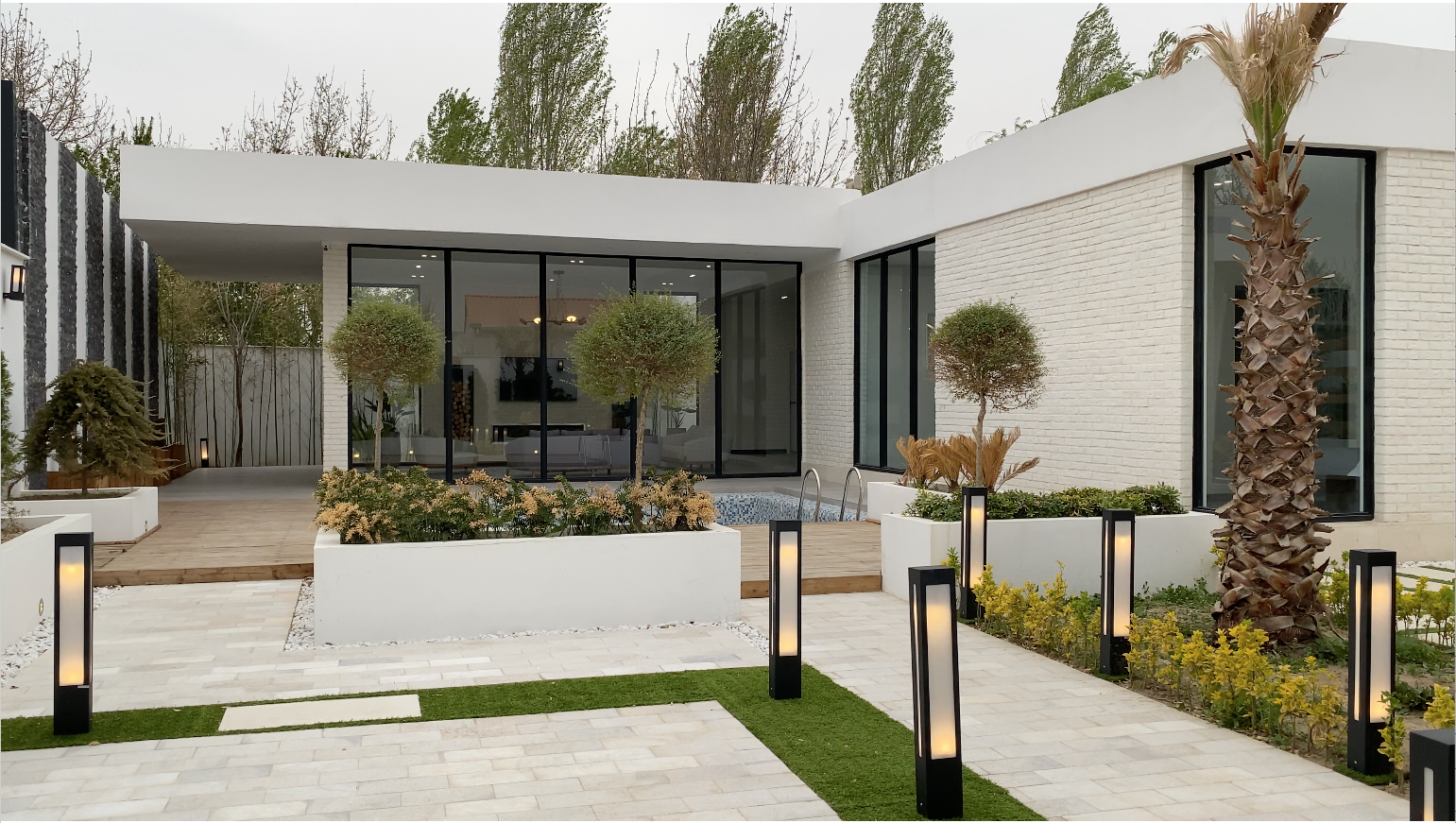
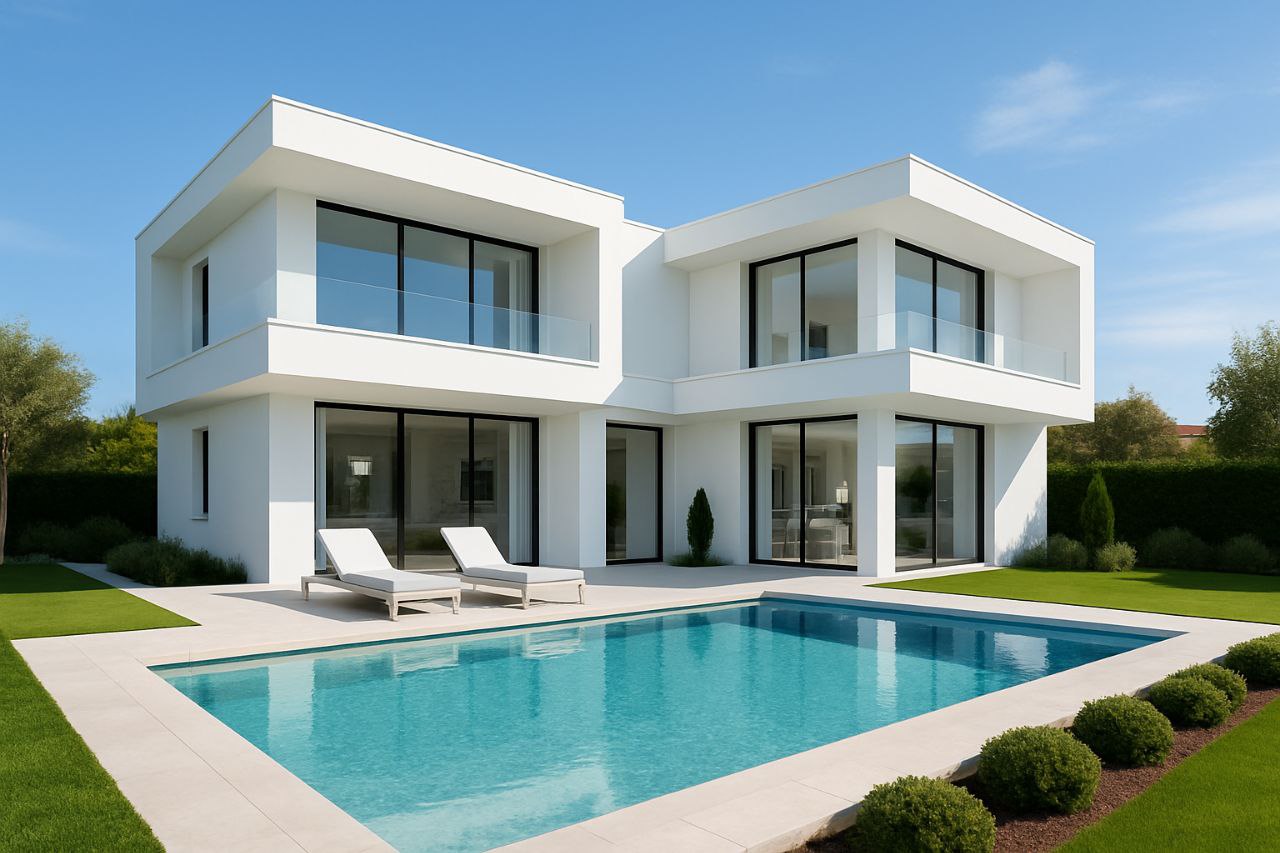
Minimalist Villa

Minimalist Villa

View Project
How to Plan a Successful Villa Renovation Without Stress

How to Plan a Successful Villa Renovation Without Stress

Read Article
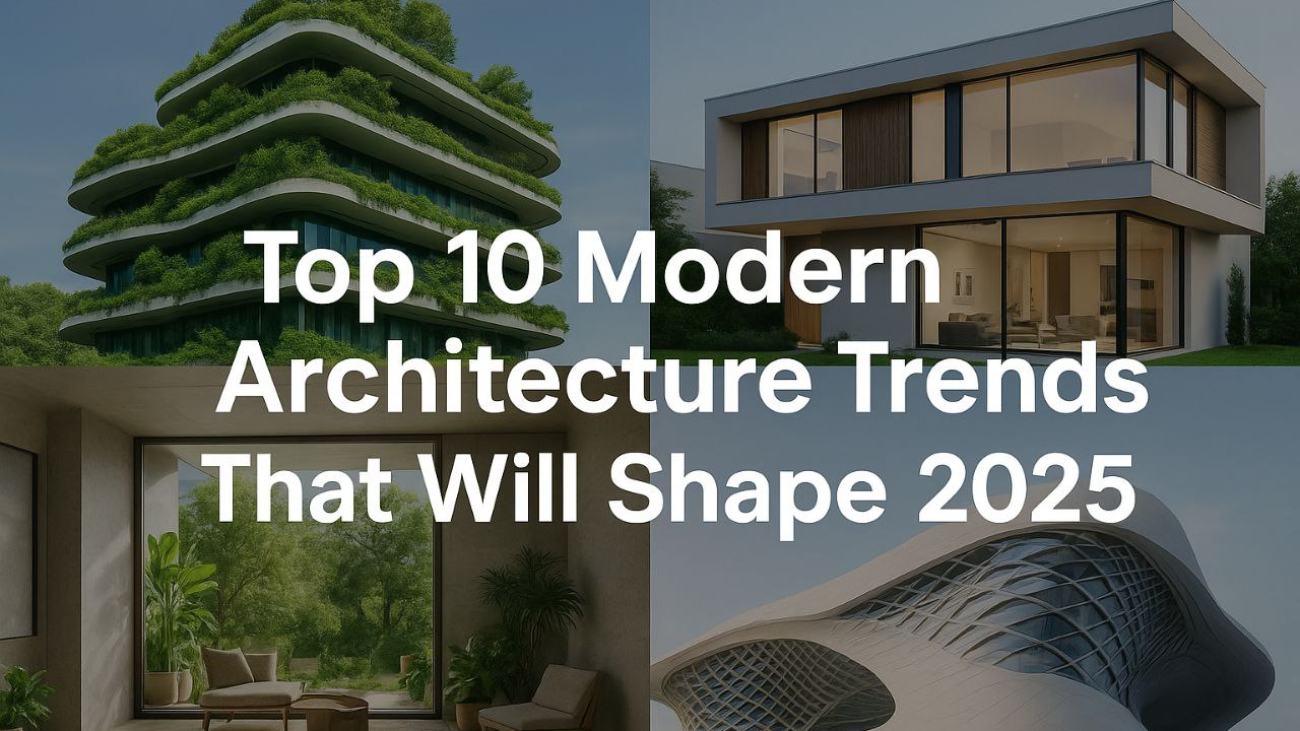
Cutting-edge modern architecture trends 2025 featuring futuristic buildings and innovative designs

Top 10 Modern Architecture Trends That Will Shape 2025

🏗️ Top 10 Modern Architecture Trends That Will Shape 2025

Cutting-edge modern architecture trends 2025 featuring futuristic buildings and innovative designs

Modern Architecture Trends

Architecture has always reflected the way we live, work, and connect with our environment. As we step into 2025, modern architecture is no longer just about aesthetics—it’s about sustainability, technology, functionality, and human well-being. From eco-friendly designs to futuristic digital innovations, the following trends are shaping the future of architecture worldwide.

🏗️ Top 10 Modern Architecture Trends That Will Shape 2025

1. Sustainable and Green Architecture

Sustainability is no longer optional. In 2025, architects are focusing on energy-efficient buildings, solar panels, and recycled materials. Green rooftops and vertical gardens are becoming standard in urban environments, helping reduce pollution and create healthier spaces.

2. Smart Homes Integration

The rise of AI-powered smart systems is transforming how homes function. Architecture is evolving to seamlessly integrate voice-controlled lighting, automated climate control, and security systems into building designs. Smart homes are now designed to be both intuitive and energy-efficient.

3. Biophilic Design

Bringing nature indoors is a growing priority. Expect to see more natural light, indoor plants, water features, and organic materials in architectural projects. Biophilic design not only improves mental health but also increases productivity in residential and office spaces.

4. Minimalist Living Spaces

With urban populations rising, architects are maximizing functionality in smaller spaces. Clean lines, open floor plans, and minimalist interiors continue to dominate modern living, creating homes that feel spacious yet practical.

5. Adaptive Reuse of Old Buildings

Instead of demolishing historic structures, architects are creatively repurposing them. Old factories, warehouses, and even churches are being transformed into modern residential and commercial spaces—blending tradition with innovation.

6. 3D Printed Architecture

3D printing technology is revolutionizing construction. Entire houses can now be printed in days using sustainable materials, significantly reducing costs and labor. This trend is expected to expand rapidly in 2025.

7. Modular and Prefabricated Homes

Speed and affordability are key drivers behind modular construction. Prefabricated homes can be built in factories and assembled on-site within weeks, making them ideal for urban expansion and disaster relief projects.

8. Net-Zero Energy Buildings

As climate change concerns grow, net-zero energy buildings are becoming the gold standard. These structures produce as much energy as they consume through renewable sources, setting a new benchmark for eco-friendly living.

9. Flexible Multi-Purpose Spaces

The shift toward hybrid living—working, relaxing, and socializing at home—demands adaptable spaces. Sliding walls, convertible furniture, and multifunctional layouts are redefining how we use interior space.

10. Parametric and Futuristic Designs

Powered by advanced software and AI, parametric architecture allows architects to create fluid, futuristic shapes never seen before. Expect more curved facades, bold geometric patterns, and digitally inspired designs in 2025. 

The architecture of 2025 is innovative, sustainable, and deeply human-centered. Whether it’s a smart home that responds to your lifestyle or a green building that nurtures the planet, these trends are reshaping how we design and experience our spaces.

Grand Wedding Hall

Grand Wedding Hall

View Project
How to Plan a Successful Villa Renovation Without Stress

How to Plan a Successful Villa Renovation Without Stress

Read Article