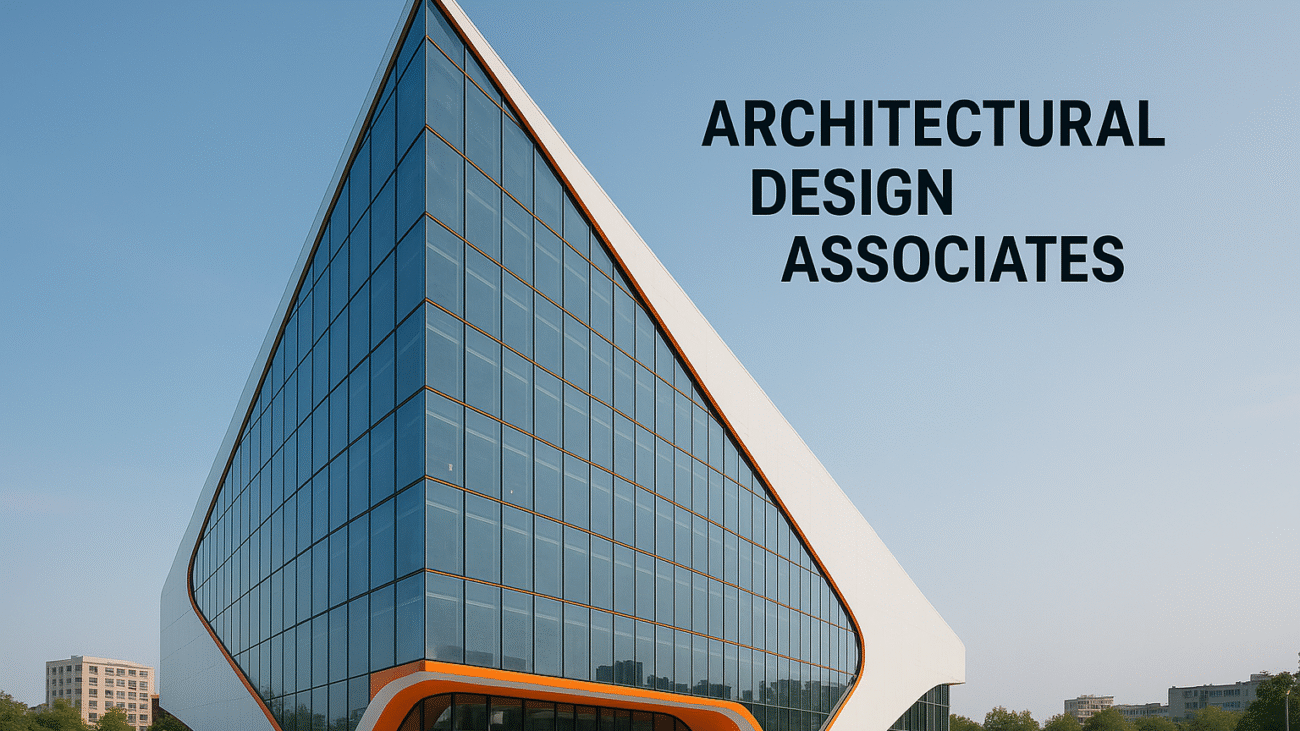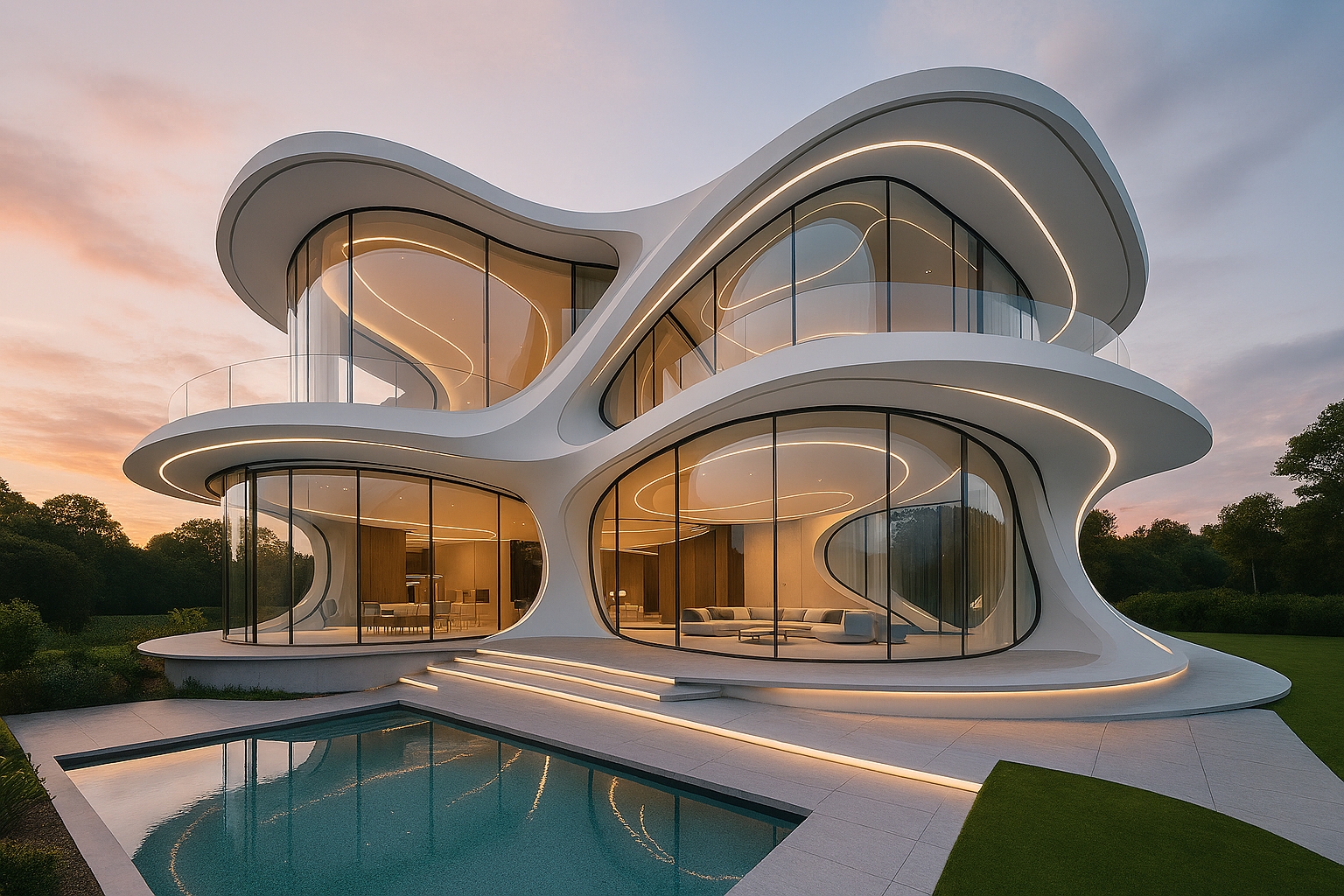
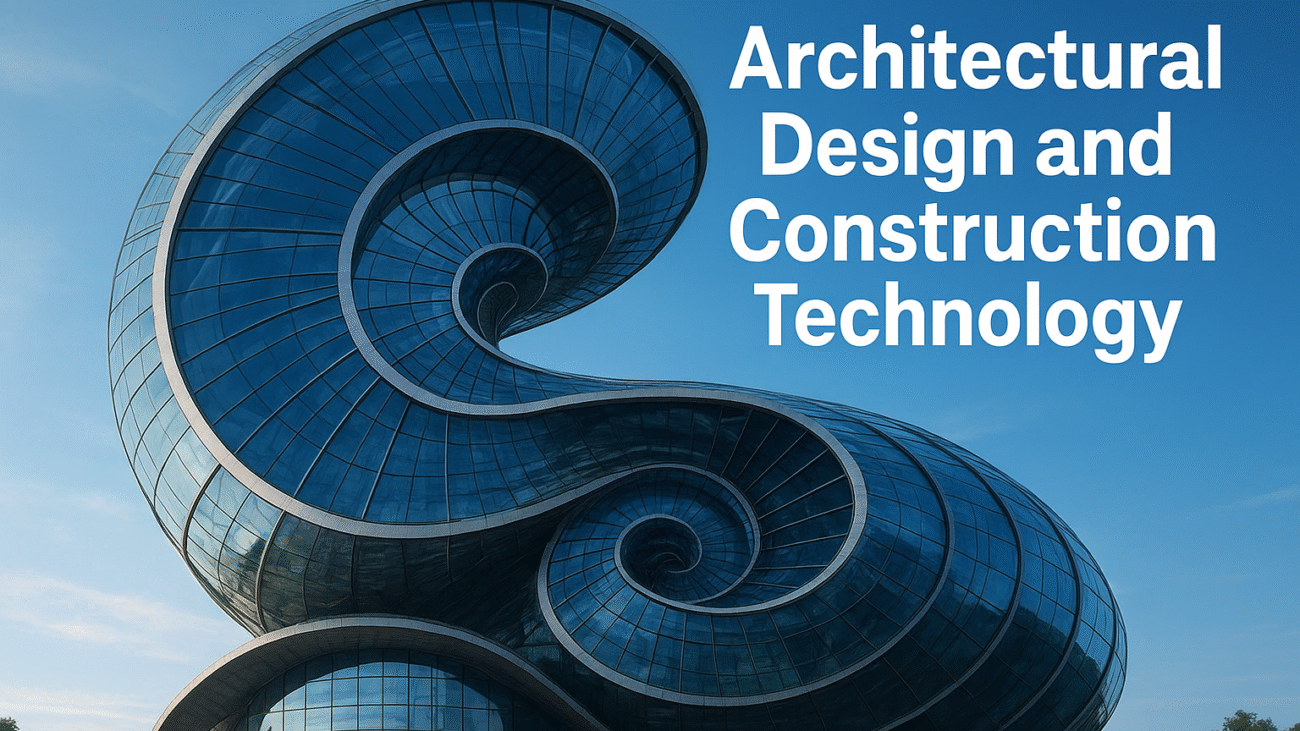
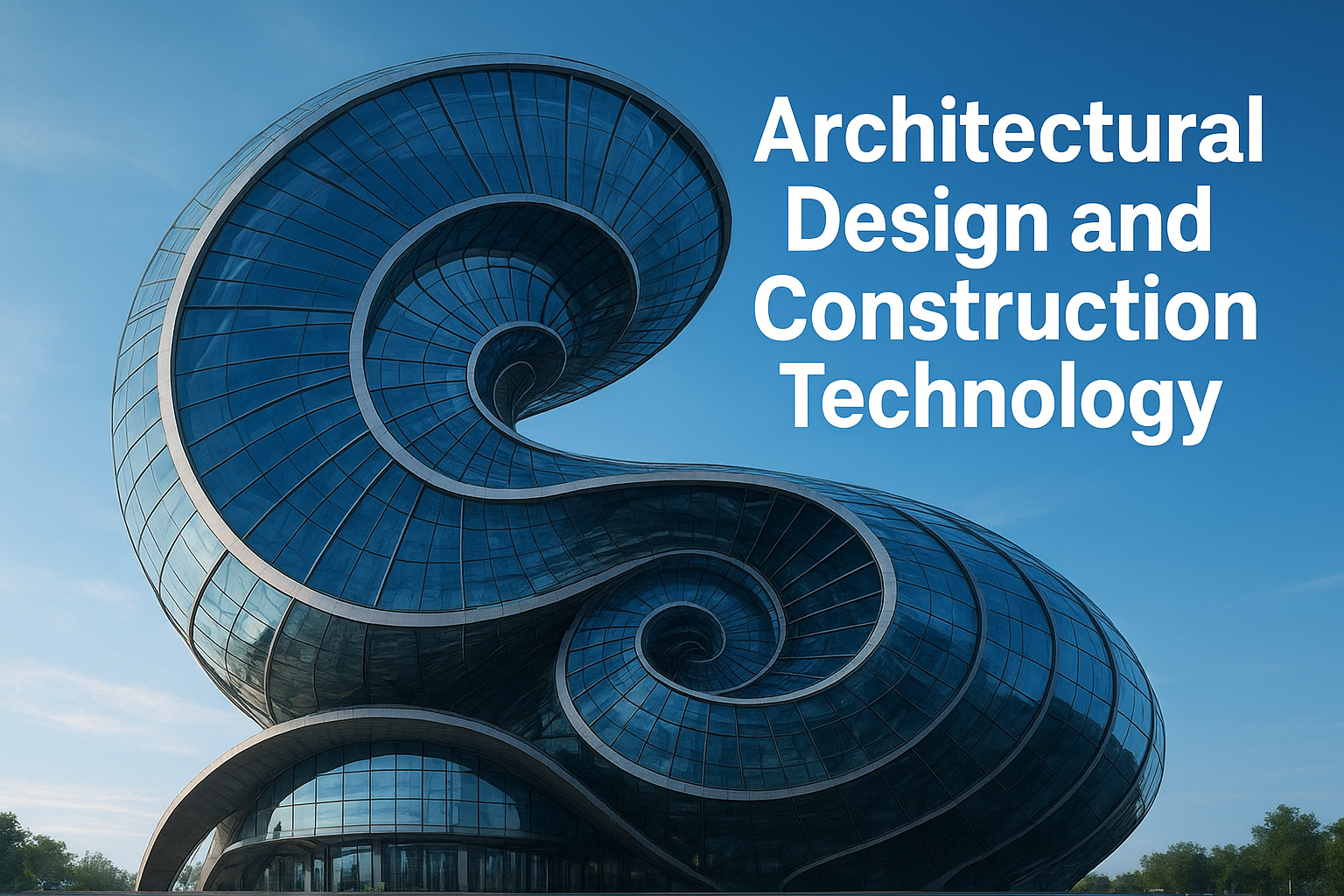
A futuristic glass building inspired by the Fibonacci sequence, illustrating the harmony between architectural design and construction technology through advanced geometry and innovative materials.

Architectural Design and Construction Technology
Architectural Design and Construction Technology

A futuristic glass building inspired by the Fibonacci sequence, illustrating the harmony between architectural design and construction technology through advanced geometry and innovative materials.

Architectural Design and Construction Technology : Shaping the Future of the Built Environment

Topics : Architectural Design, Construction Technology, Sustainability

The Role of Architectural Design

In today’s rapidly evolving world, architectural design and construction technology stand as two interdependent forces shaping the way we envision, build, and experience the built environment. Together, they merge creativity with precision, innovation with practicality, and aesthetics with sustainability. As global demand grows for smarter, greener, and more efficient structures, the synergy between design and technology continues to redefine the boundaries of modern architecture.

Architectural design is the creative and conceptual foundation of every building. It transforms abstract ideas into tangible forms that serve both aesthetic and functional purposes. Modern architects balance beauty, functionality, and sustainability while addressing social, cultural, and environmental contexts.

With the aid of advanced tools such as AutoCAD, Revit, and Building Information Modeling (BIM), designers can visualize every detail before construction begins. These technologies allow architects to explore multiple design options, analyze performance, and refine structures with unprecedented accuracy.

Architectural design today is not limited to form and structure—it also reflects a deep understanding of human behavior, urban context, and environmental responsibility. Each line, curve, and material choice contributes to creating spaces that inspire, endure, and perform efficiently.


The Power of Construction Technology

While design imagines the future, construction technology brings it to life. It encompasses the tools, systems, and methods used to execute architectural visions with efficiency, safety, and precision.

Technological innovation has revolutionized how buildings are constructed. From modular and prefabricated construction to 3D printing, today’s construction processes are faster, more cost-effective, and more sustainable than ever. Smart construction systems integrate IoT sensors, automated controls, and AI-powered monitoring to optimize energy consumption, enhance safety, and streamline maintenance.

The evolution of materials also plays a key role. The use of cross-laminated timber, recycled steel, and low-emissivity glass supports eco-friendly development while maintaining structural strength. These innovations collectively reduce waste, improve energy efficiency, and align construction practices with global sustainability goals.


Sustainability: The Core of Modern Practice

Sustainability has evolved from a trend into an essential standard. Architectural design and construction technology now prioritize minimizing environmental impact, improving building performance, and promoting occupant well-being.

Green certifications like LEED, BREEAM, and WELL Building Standard guide the adoption of sustainable methods and materials. Meanwhile, energy modeling software helps architects simulate and optimize factors such as lighting, insulation, and ventilation before a single brick is laid.

Through sustainable innovation, professionals in both fields are creating buildings that not only consume less energy but also give back to the environment — through renewable systems, green roofs, and smart resource management.


Digital Transformation in Architecture and Construction

Digital transformation has redefined both architecture and construction. BIM, parametric modeling, CNC fabrication, and robotic construction have made it possible to execute complex, futuristic designs that were once deemed impossible.

Virtual and Augmented Reality (VR/AR) now allow architects, engineers, and clients to visualize projects in immersive environments, improving collaboration and decision-making. Drone surveying enhances precision and safety on construction sites, while AI-driven data analytics predicts maintenance needs and improves long-term performance.

These technologies are not replacing creativity—they’re enhancing it. They bridge the gap between imagination and implementation, enabling architects and builders to design smarter, faster, and more sustainably.


The Role of Landscape Architecture and Construction Technology

Beyond buildings, landscape architectural design and construction technology shape the outdoor environments that connect people to nature. This multidisciplinary field blends ecology, engineering, and urban planning to create resilient, functional, and beautiful landscapes.

Technological tools like GIS mapping, 3D modeling, and BIM coordination empower landscape architects to plan with environmental precision. Green infrastructure elements — such as rain gardens, permeable pavements, and native plant systems — help manage stormwater, reduce heat, and support biodiversity.

As with architectural design, sustainability remains central. Advanced construction methods, eco-friendly materials, and smart irrigation systems combine to create outdoor spaces that are both enduring and environmentally responsible.


Career Opportunities in Architectural Design and Construction Technology

The convergence of architecture and construction technology has created a diverse range of career paths. Professionals can specialize as architects, BIM managers, construction technologists, digital fabrication specialists, or sustainability consultants.

As smart cities and green infrastructure projects expand worldwide, demand for skilled experts continues to rise. These roles require a blend of creativity, technical expertise, and environmental awareness — qualities that drive innovation across the global built environment.


Architectural Design and Construction Technology Salaries

Salaries in these industries reflect the technical skill and creative responsibility involved.

  1. Architectural Designers : typically earn between $60,000–$100,000 annually in North America, depending on experience and specialization.
  2. Construction Technologists and Managers : often earn $70,000–$120,000, with senior professionals exceeding that range in large-scale projects.

Professionals proficient in BIM, sustainable design, or digital construction tools are especially sought-after and often command higher salaries.

Geographic location, certifications (like LEED, Autodesk, or PMP), and advanced degrees further boost earning potential in this evolving field.


Future Trends: Smart, Sustainable, and Human-Centered

The future of architectural design and construction technology lies in smart integration — merging data, automation, and sustainability into one seamless ecosystem. The rise of AI, machine learning, and smart materials will enable buildings to self-monitor and adapt to environmental conditions.

At the same time, human-centered design will ensure that technology serves people — enhancing comfort, health, and quality of life. As these disciplines continue to evolve together, the line between design and technology will blur, leading to a more connected and sustainable world.


Architectural design and construction technology together represent the perfect balance of art, science, and innovation. They shape not only buildings but also the way we live and interact with our surroundings.

By embracing digital transformation, sustainability, and interdisciplinary collaboration, professionals in these fields are paving the way for a smarter, greener, and more resilient future — one structure at a time.
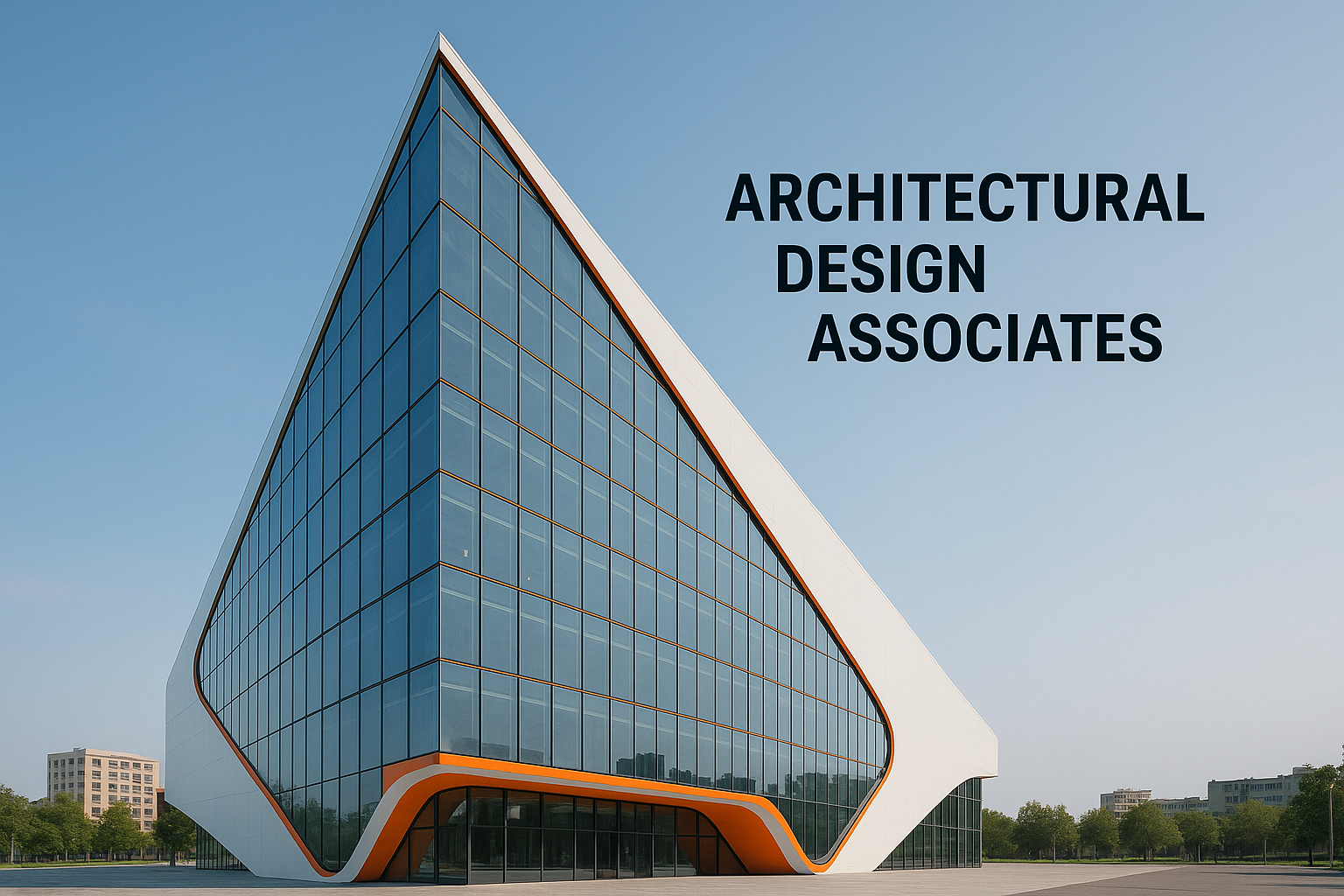
A futuristic triangular glass office building with white and orange details designed by Architectural Design Associates

Architectural Design Associates

Architectural Design Associates

A futuristic triangular glass office building with white and orange details designed by Architectural Design Associates

Architectural Design Associates : Redefining Innovation and Sustainability in Modern Architecture

Topics : Innovation, Sustainability, Client-Centric Design

About Architectural Design Associates (ADA)

Architectural Design Associates (ADA) stands as a leading architectural firm committed to transforming visionary ideas into functional and inspiring spaces. With decades of collective expertise and a passion for innovation, ADA has built a reputation across the United States and Canada as a trusted name in contemporary architecture and sustainable design.

At the heart of ADA’s philosophy lies a simple yet powerful belief — that great architecture is not only about form and beauty but also about purpose, emotion, and environmental responsibility. Every project reflects a delicate balance between aesthetic appeal, functionality, and long-term sustainability.


Commitment to Sustainability and Green Design

Sustainability forms the cornerstone of ADA’s design philosophy. The firm consistently integrates eco-friendly materials, renewable energy solutions, and energy-efficient systems into its projects. By prioritizing green architecture, ADA minimizes environmental impact while enhancing the comfort and efficiency of the spaces it creates.

Leveraging cutting-edge technologies such as Building Information Modeling (BIM) and parametric design tools, ADA ensures precision and adaptability throughout the design and construction process. The result — buildings that are as responsible as they are remarkable.


A Multidisciplinary Team of Experts

ADA’s success stems from its collaborative approach. The firm brings together a talented team of architects, interior designers, landscape architects, and project managers who work in harmony to deliver holistic design solutions. This multidisciplinary synergy enables ADA to view each project from multiple perspectives — ensuring creativity, accuracy, and alignment with the client’s vision.

From conceptualization to final construction, ADA’s integrated process guarantees that every detail reflects quality, functionality, and the client’s aspirations.


Diverse Portfolio Across Multiple Sectors

Architectural Design Associates boasts an extensive and diverse portfolio, spanning residential, commercial, institutional, and hospitality sectors across North America.


Residential Design:


ADA crafts bespoke living spaces that reflect the lifestyle, personality, and values of their inhabitants. Each home is designed with comfort, innovation, and sustainability in mind.


Commercial Architecture:


The firm creates efficient, inspiring workspaces that elevate productivity, enhance brand identity, and foster human connection.


Institutional & Educational Projects:


ADA’s institutional designs focus on accessibility, safety, and the user experience — crafting environments that support learning, collaboration, and community engagement.


Hospitality & Public Spaces:


The firm’s hospitality projects blend warmth and sophistication, delivering memorable experiences through design that connects people and place.


Client-Centric Philosophy

ADA’s client relationships form the foundation of every successful project. The firm’s client-centric approach emphasizes open communication, transparency, and collaboration at every stage. By deeply understanding the client’s needs, goals, and challenges, ADA creates tailor-made solutions that exceed expectations.

This collaborative partnership not only builds trust but also ensures each project delivers exceptional results — on time and within budget.


Innovation and Technology at the Core

In an ever-evolving industry, ADA continues to push the boundaries of innovation. The firm embraces digital design technologies, 3D visualization, and virtual reality walkthroughs to bring ideas to life and empower clients to visualize their projects before construction begins.

Through the seamless integration of technology and creativity, ADA achieves architectural excellence that aligns with modern trends and future demands.


Contextual and Cultural Sensitivity

Whether designing a sleek urban office tower in Toronto or a sustainable community center in Nebraska, ADA respects the cultural, environmental, and historical context of every project. This sensitivity ensures that each structure not only meets the needs of today but also enhances the identity and heritage of its surroundings.

ADA’s designs are contemporary yet grounded — innovative yet timeless.


Architectural Excellence in the U.S. and Canada

Operating across North America, ADA has earned recognition for its ability to deliver exceptional results that combine innovation, sustainability, and functionality. From the bustling urban cores of New York and Chicago to the scenic landscapes of British Columbia, ADA’s architectural footprint continues to expand.

Each project stands as a testament to ADA’s dedication to design excellence and its unwavering commitment to shaping environments that inspire and endure.


 Shaping the Future of Architecture

Architectural Design Associates represents the perfect fusion of art, technology, and environmental responsibility. Their visionary approach continues to redefine modern architecture through designs that are bold, sustainable, and human-centered.

As ADA moves forward, it remains steadfast in its mission: to create architectural landmarks that elevate lives, respect nature, and stand the test of time — across the U.S., Canada, and beyond.

AI for Architectural Design neon graphic with brain circuit and futuristic building

Ai for Architectural Design

Artificial Intelligence in Architectural Design : Transforming the Future of Architecture

Artificial Intelligence (AI) is redefining the world of architectural design. By merging creativity with computation, AI enables architects to conceptualize, plan, and execute projects more efficiently than ever. It enhances design quality, sustainability, and innovation — changing how architecture is imagined and built.


AI and Generative Design

One of AI’s most powerful contributions to architecture is generative design. Through algorithms and machine learning, architects can input parameters such as space, budget, materials, and environmental conditions.
AI then generates multiple optimized design options — each meeting the specified criteria.

This process accelerates the design phase and broadens creative exploration. Tools like Autodesk Generative Design and Spacemaker AI are at the forefront, allowing designers to uncover solutions that might remain unseen with traditional methods.

AI in Structural Analysis and Simulation

AI also improves structural analysis by predicting how a building will respond to different conditions such as wind, load, and temperature.
Advanced AI models simulate energy consumption, daylight exposure, and thermal comfort, ensuring buildings are safe, efficient, and environmentally responsible.

By leveraging AI early in design, architects can optimize both performance and sustainability.

Integration of AI with Building Information Modeling (BIM)

AI strengthens BIM (Building Information Modeling) by automating routine tasks like clash detection, scheduling, and quantity estimation.
AI-powered BIM systems minimize human error, save time, and deliver data-driven insights for better decision-making throughout a project’s lifecycle.

User-Centric and Smart Design

AI fosters user-centered architecture by analyzing user behavior, preferences, and spatial patterns.
This allows architects to design environments that improve comfort, productivity, and functionality.
For instance, AI can optimize space layouts based on movement patterns, resulting in smarter and more adaptive designs.

AI and Sustainability in Architecture

Sustainability lies at the heart of modern design, and AI is a vital enabler.
AI-driven energy modeling helps minimize carbon footprints by optimizing materials, lighting, and temperature control.
Tools like EcoDesigner and AI-integrated simulations empower architects to design eco-friendly buildings that align with global environmental goals.

Top AI Tools for Architectural Design

AI tools are reshaping how architects visualize and execute ideas. Below are some of the best in the field:

  1. Autodesk Generative Design – Automates design exploration based on performance criteria.
  2. Spacemaker AI – Analyzes site conditions to create optimized layouts.
  3. TestFit – Generates quick feasibility studies for mixed-use projects.
  4. Rhino + Grasshopper (with AI Plugins) – Enables algorithmic and parametric modeling.
  5. Adobe Sensei – Accelerates rendering and visualization.
  6. FreeCAD & Blender (with AI plugins) – Offer open-source generative design capabilities.

These tools enhance both creativity and efficiency while supporting sustainable, data-driven workflows.

Free AI Tools for Architects

Free and open-source AI platforms have democratized architectural innovation.
Tools like Dream by Wombo, NightCafe, Spline, and Figma allow architects to visualize ideas and collaborate in real-time.
Meanwhile, ChatGPT supports research, writing, and technical documentation, saving valuable time.
Such tools empower students, freelancers, and small firms to access powerful AI capabilities without high costs.

Generative AI: Research and Future Prospects

Recent studies highlight how Generative Adversarial Networks (GANs) and Variational Autoencoders (VAEs) generate realistic and functional architectural designs.
Researchers are also combining generative AI with BIM, VR, and AR to automate structural layouts and enhance collaboration.

As AI continues to advance, hybrid models that merge rule-based logic with deep learning will offer more creative control and precision — signaling a future where AI becomes a true design partner.

Challenges of AI in Architecture

While AI offers immense potential, it also brings challenges:

  1. Ethical concerns over authorship and automation
  2. Data privacy issues
  3. Skill gaps among architects in AI and data science

Addressing these challenges ensures AI remains a collaborative tool, not a replacement for human creativity.


AI is revolutionizing architecture by combining computational intelligence with artistic vision.
From generative design to sustainability modeling, AI empowers architects to create smarter, greener, and more efficient spaces.
Those who embrace AI will lead the next era of architectural innovation — where technology and creativity unite to shape a more sustainable and adaptive built environment.

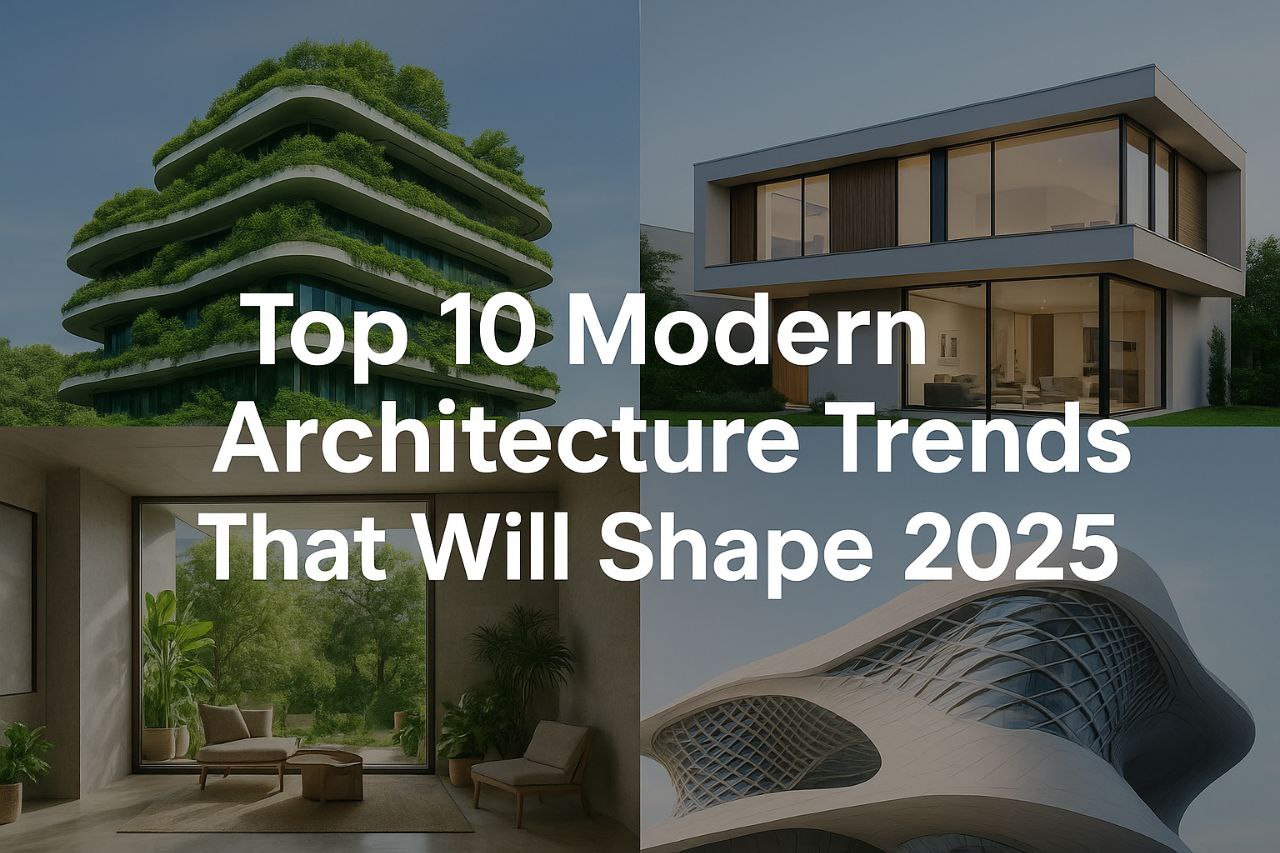
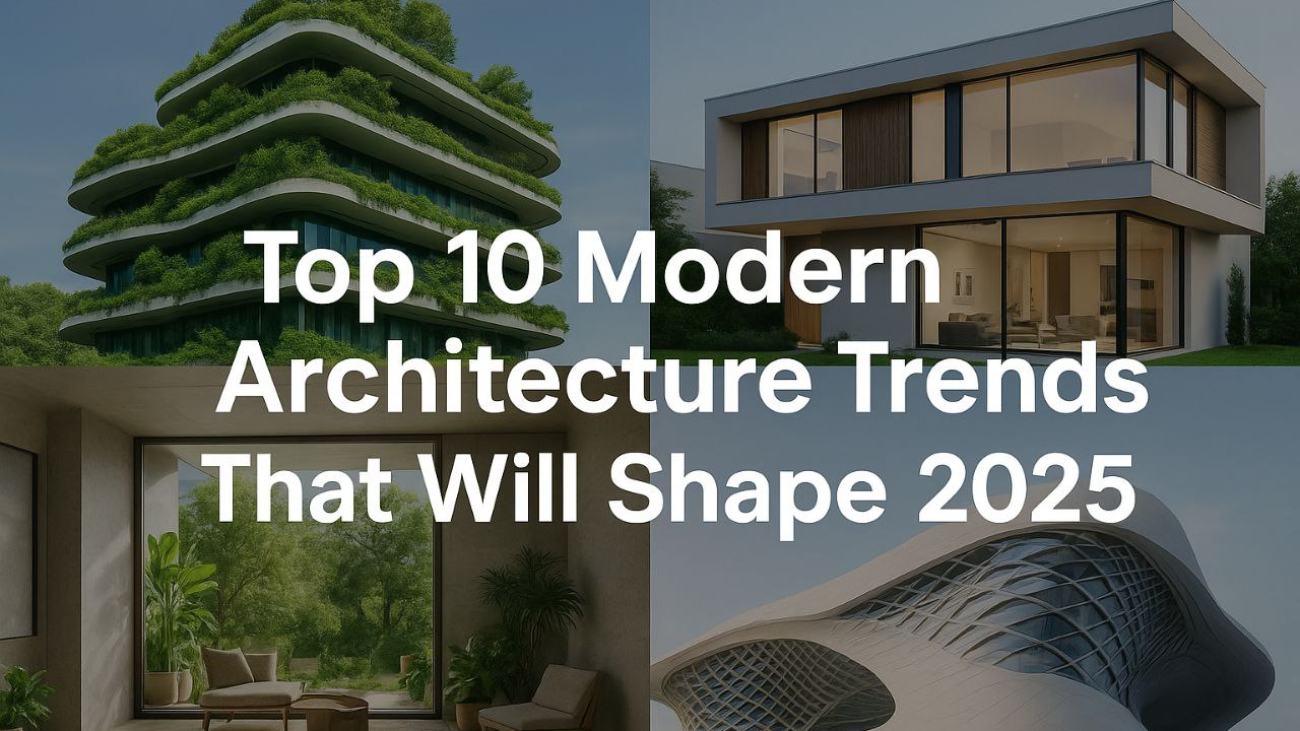
Top 10 Modern Architecture Trends

Top 10 Modern Architecture Trends That Will Shape 2025

Read Article
Futuristic Office Portfolio

Futuristic Office

View Portfolio
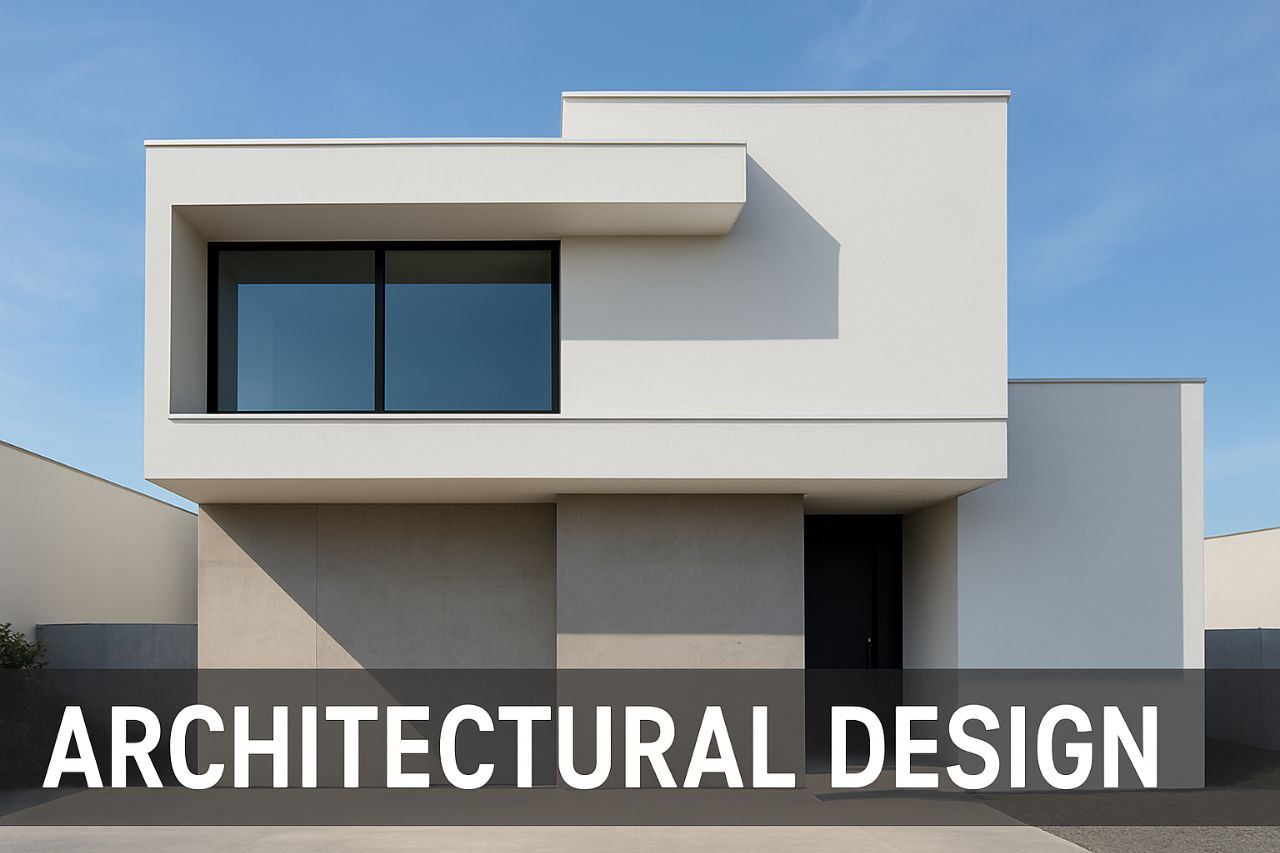
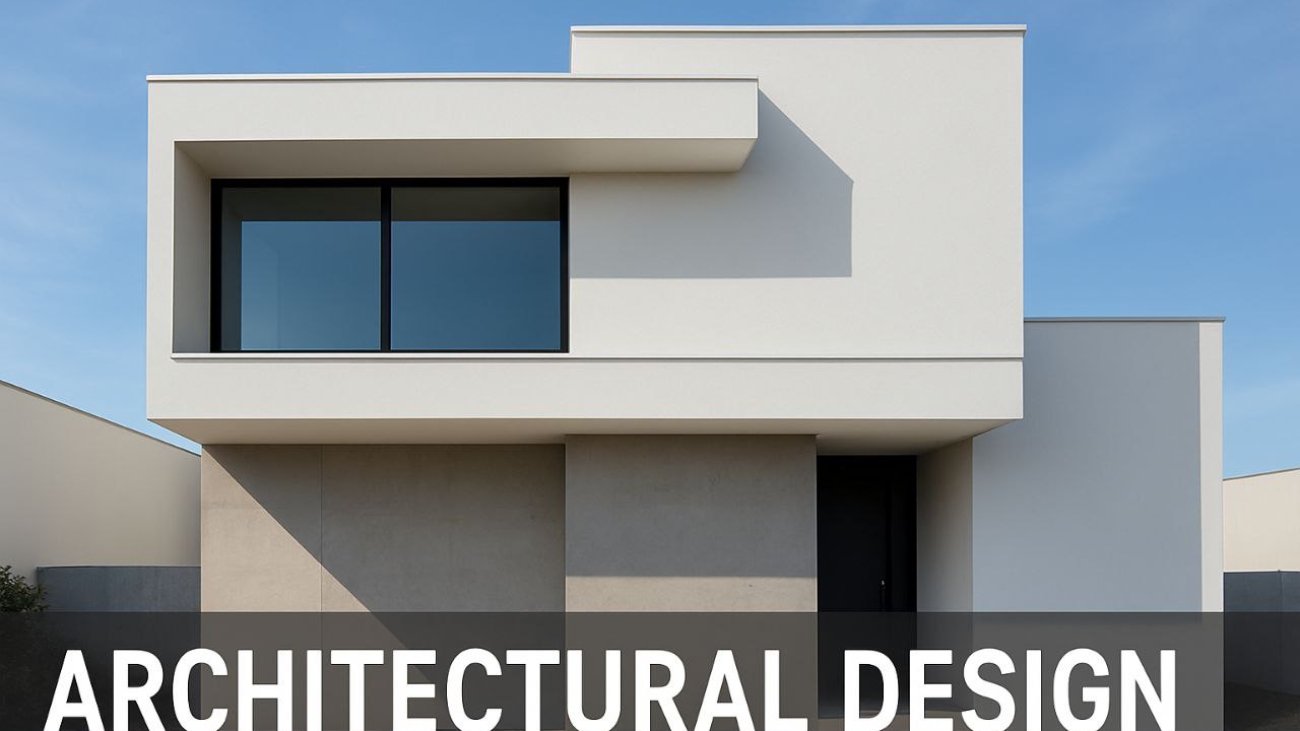
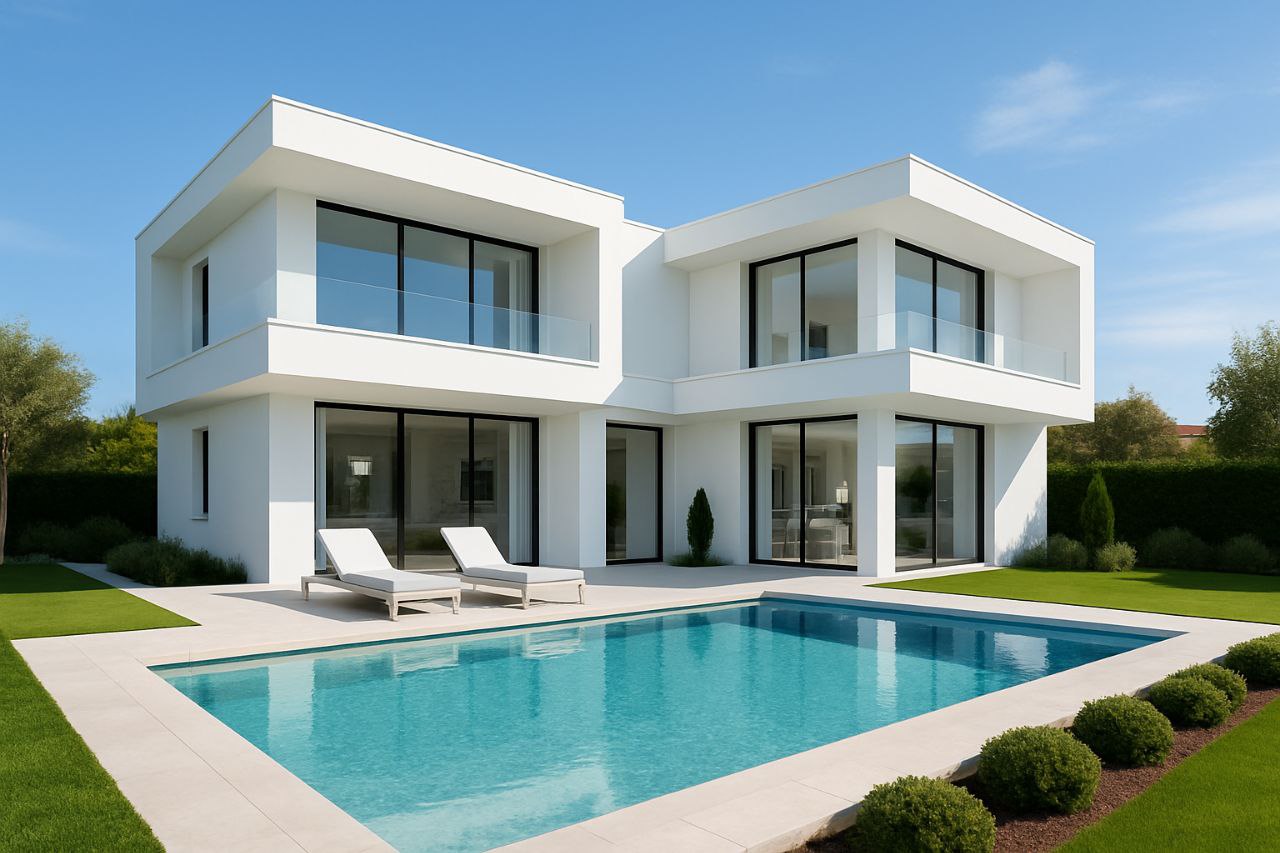
Modern architectural design of a minimalist contemporary building

Architectural Design

Architectural Design

Architectural Design : The Art and Science of Architectural Design

A practical , learn by doing guide to designing meaningful , sustainable spaces , actionable insights for clients , students and designers .

Topics : Architectural principles . Sustainability strategies . Ai & digital tools . Free software . Career pathways 

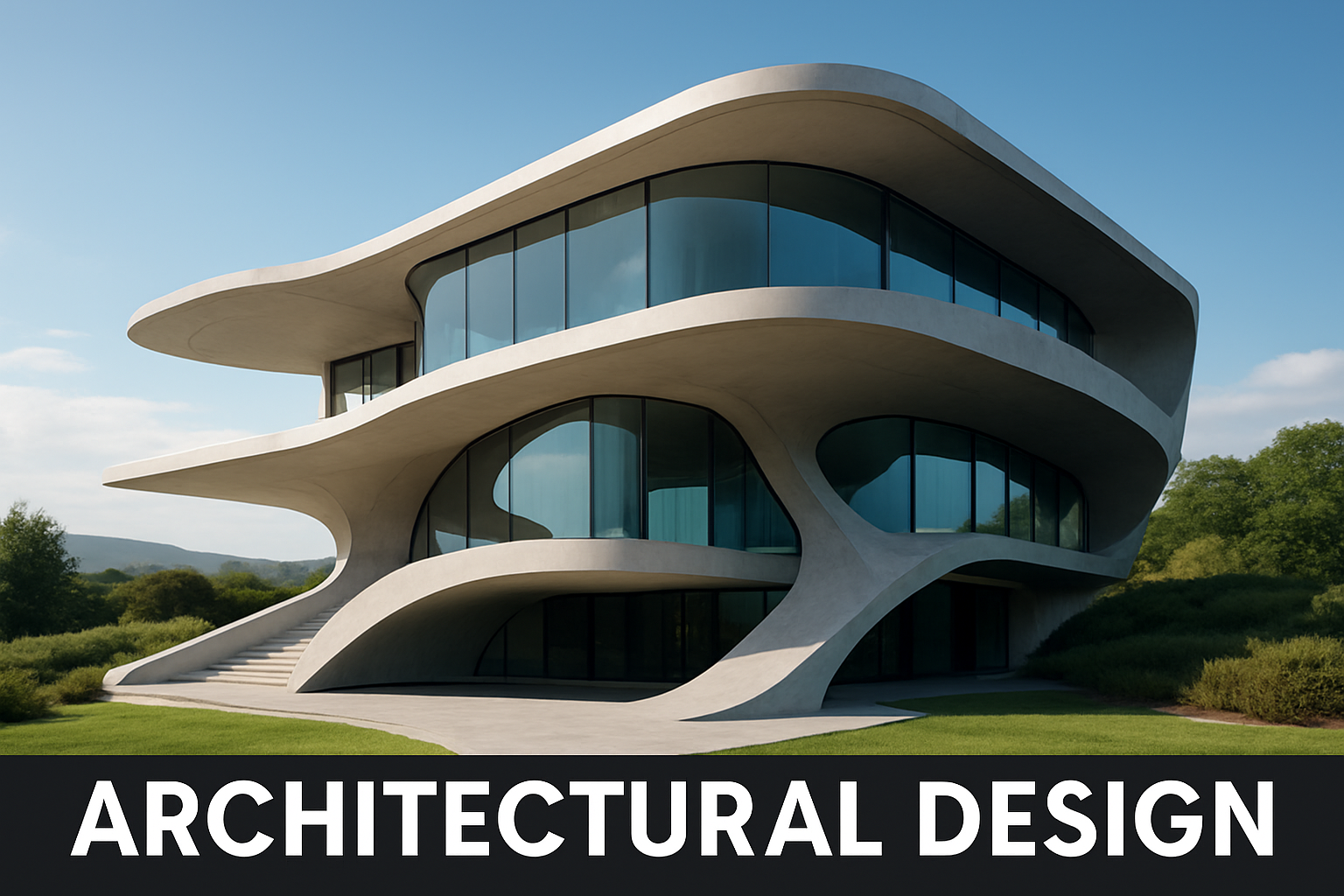
Futuristic modern villa with curved white concrete design and large glass windows, set in a natural landscape under a clear blue sky, with the text "Architectural Design" at the bottom.

⚪ The Art and Science of Architectural Design

  The Essence of Architectural Design

 Architectural design is one of the few disciplines where imagination and logic coexist in perfect balance. It’s a field that merges creativity with precision — where every line, curve, and material choice carries meaning. Architecture is not just about creating buildings; it’s about shaping experiences, telling stories, and enhancing the quality of life through thoughtful design.

1. Understanding the Essence of Architecture

Every structure begins with an idea — a response to a human need, a place, and a purpose. Good architecture starts by asking questions:
How will people interact with this space?
What emotions should it evoke?
How can it harmonize with its surroundings while remaining unique?

Answering these questions transforms the design process from drawing plans to crafting meaningful environments. An architect doesn’t simply design walls and roofs; they design how sunlight enters a room, how air flows through a space, and how people move, gather, and feel within it.

2. Functionality — The Core of Every Great Design

Functionality is the backbone of architectural design. A beautiful building that fails to serve its purpose is merely sculpture. A truly successful design is one that balances aesthetics with usability.

Architects must consider circulation, accessibility, natural lighting, and privacy from the earliest stages of design. For instance:

  • In homes, layouts should create comfort and intimacy while maximizing natural light.
  • In offices, open areas and collaborative zones encourage communication and productivity.
  • In public buildings, intuitive wayfinding and accessibility define how inclusive the space feels.

The lesson is simple: good design is invisible — it works so seamlessly that users don’t even notice its complexity.

3. Aesthetics — The Language of Emotion

While function gives a structure purpose, aesthetics give it soul. Architecture communicates through form, proportion, material, and texture. Each design decision contributes to how a space feels — warm or cold, intimate or monumental, inviting or intimidating.

Architects use visual rhythm, symmetry, contrast, and balance to evoke emotions. For example, clean minimal lines may create a sense of calm and clarity, while organic forms can bring softness and connection to nature.

Color and texture also play a critical role. Natural materials like wood, stone, and clay ground a design in warmth and authenticity, while glass and steel convey lightness and modernity. The best designs find harmony between these elements — creating spaces that are not only seen but felt.

4. Sustainability — Building for the Future

Modern architecture cannot exist without sustainability. Designing responsibly means creating buildings that respect the planet and endure through time.

Sustainable design isn’t limited to adding solar panels or green roofs. It’s about designing smarter — using local materials, maximizing daylight, reducing energy consumption, and planning for long-term adaptability.

Key sustainable strategies include:

  1. Passive solar design : orienting buildings to capture sunlight naturally and reduce energy use.
  2. Natural ventilation : designing airflow systems that minimize mechanical cooling needs.
  3. Material selection : choosing renewable, recyclable, or low-impact materials.
  4. Water efficiency : incorporating rainwater harvesting or greywater reuse systems.

Sustainability also includes social and cultural dimensions — creating spaces that enrich communities and celebrate local identity. A truly sustainable building nurtures both people and place.

5. Technology — Expanding Creative Possibilities

The digital age has transformed architecture. Tools like Building Information Modeling (BIM), 3D rendering, and virtual reality allow architects to visualize, simulate, and refine designs before construction even begins. These technologies bridge creativity and accuracy, helping designers experiment with form and structure while maintaining technical integrity.

For instance:

  1. BIM integrates every aspect of a building into one intelligent model, improving collaboration between engineers, architects, and builders.
  2. 3D rendering brings ideas to life, allowing clients to experience spaces before they’re built.
  3. Virtual reality (VR) provides immersive walk-throughs that improve spatial understanding and design decision-making.

Technology doesn’t replace creativity — it enhances it. It gives architects the freedom to imagine bolder concepts while ensuring those ideas can become practical realities.

6. Culture and Context — Designing with Meaning

Architecture always belongs to a place and a people. Great design respects history, geography, and culture while embracing innovation.

Contextual design considers local materials, traditions, and climate to create harmony between old and new. For example, incorporating traditional craftsmanship into modern structures can preserve cultural identity while meeting contemporary needs.

Understanding context also means listening — engaging with the community, observing how people live, and responding to the rhythms of everyday life. This sensitivity turns architecture into a living part of its environment rather than an isolated object.

7. The Architect’s Mindset — Creativity Meets Responsibility

Architectural design is both an art and a moral act. Every design choice affects people and the planet. Therefore, architects must balance creativity with responsibility.

To think like an architect means to:
  1. Observe deeply before drawing.
  2. Question assumptions and seek better solutions.
  3. Understand that beauty and ethics can coexist.
  4. Believe that architecture can improve lives, not just landscapes.

The best architecture doesn’t shout; it speaks quietly and meaningfully through its integrity, clarity, and purpose.


Shaping Tomorrow’s Spaces

Architectural design is a continuous conversation between imagination and reality. It demands curiosity, empathy, and technical mastery. From concept to construction, each step defines how humans experience their built environment.

In the end, architecture is not about buildings — it’s about creating connections: between people and spaces, tradition and innovation, form and function, nature and technology.

As we design for the future, our greatest responsibility is to build with awareness — crafting environments that are not only visually inspiring but also sustainable, inclusive, and timeless .

White Modern Villa with hidden LED Lighting


⚪The Future of Architectural Design: Technology, AI, and Creative Empowerment

The world of architecture is evolving faster than ever before. The tools, technologies, and mindsets that shape design today are redefining what is possible in the built environment. While the foundations of architecture — creativity, functionality, and human-centered thinking — remain timeless, digital innovation and artificial intelligence are transforming how ideas become reality.

1. The Rise of AI in Architecture

Artificial Intelligence (AI) is no longer a futuristic concept — it’s a present-day collaborator in the design process.
AI allows architects to explore design possibilities that would take months or even years to test manually. By analyzing parameters like site orientation, sunlight exposure, energy consumption, and material cost, AI can generate hundreds of optimized design options within minutes.

This approach, called generative design, works by setting specific goals — for example, maximizing natural light, minimizing energy use, or optimizing structural performance. The AI then explores infinite variations until it finds the most efficient balance.

The result ? Designs that are not only creative but also scientifically optimized.

But AI’s role goes beyond the design phase. It helps architects:

  1. Predict building performance before construction.
  2. Analyze sustainability impacts using real-world data.
  3. Improve workflow efficiency and reduce design errors.
  4. Personalize user experiences by learning from behavioral patterns.

Imagine designing a house that learns how its occupants live — adjusting temperature, light, and airflow automatically for comfort and efficiency. That’s the future AI is enabling: architecture that adapts to people, rather than people adapting to buildings.

2. The Power of Digital Tools in Design

Technology has become an inseparable partner in architectural creativity. Digital tools not only enhance visualization but also democratize design — making professional-quality results accessible to students, freelancers, and small studios worldwide.

Here are some of the most valuable free tools architects and designers can use today:

  1. SketchUp Free – Perfect for beginners and quick 3D concept modeling. Its intuitive interface lets users sketch, visualize, and share ideas easily.
  2. FreeCAD – An open-source parametric modeling tool ideal for precision work and technical drawings.
  3. Blender – A powerful platform for creating high-quality renders, animations, and VR walkthroughs.
  4. Sweet Home 3D – Simple yet effective for interior layouts and furniture planning.
  5. LibreCAD – A reliable 2D drafting program for creating detailed floor plans and technical blueprints.

What’s special about these tools is that they encourage experimentation without limitation. For students and early-career architects, learning to use multiple programs develops flexibility and problem-solving skills — essential qualities in modern practice.

💡 Pro Tip: Focus on mastering design thinking before software. The best architects use technology as an extension of creativity, not as a replacement for it.

3. Learning Architecture  From Concept to Career

Architecture is one of the most comprehensive fields of study — blending art, engineering, social science, and environmental awareness. A Bachelor of Architectural Design (or its equivalent) typically provides this multidisciplinary foundation.

Students begin by exploring:

  1. Design fundamentals – understanding form, proportion, and spatial composition.
  2. Architectural history and theory – learning how culture, politics, and technology have shaped buildings across time.
  3. Digital tools and visualization – mastering CAD, BIM, and 3D rendering.
  4. Construction technology and materials – understanding how ideas become structures.
  5. Sustainable and contextual design – integrating ecological responsibility into every project.

More importantly, architecture education teaches critical thinking and creative problem-solving — the ability to turn constraints into opportunities. It’s a lifelong learning journey that continues beyond graduation, as architects must constantly adapt to new challenges, codes, and technologies.

“Architecture is the slowest of the arts but the most enduring of innovations.”

The real reward of studying architecture is not just the ability to design, but to see the world differently — as a system of relationships between people, nature, and space.

4. The Professional Journey — Skills for the Modern Architect

To thrive in today’s architectural industry, designers need a diverse set of skills that go far beyond traditional drafting. These include:

  1. Communication : Presenting ideas visually and verbally with clarity.
  2. Collaboration : Working effectively with engineers, contractors, and clients.
  3. Research and analysis : Understanding social behavior, sustainability data, and market trends.
  4. Digital fluency : Using BIM, parametric design, and visualization tools.
  5. Adaptability : Keeping up with new technologies like AI, AR, and smart materials.

Successful architects are strategic thinkers as much as they are designers. They manage time, budget, and innovation simultaneously — ensuring that creativity always serves function and purpose.

5. The Human Side of Technology

As technology advances, the greatest challenge is maintaining the human touch in design. AI can process data, but it can’t feel emotion or cultural nuance — at least, not yet. That’s where the architect’s sensitivity comes in.

Architecture will always be about empathy. The best designs anticipate human behavior, celebrate local identity, and provide comfort, beauty, and belonging. Technology should enhance that empathy, not replace it.

So, while algorithms may generate forms, it’s still the human architect who decides what feels right.

6. Designing the Future

Architectural design stands at an extraordinary intersection — between creativity and computation, emotion and logic, human intuition and digital intelligence. The future belongs to those who can navigate both worlds seamlessly.

By embracing technology responsibly and continuing to learn, architects can build smarter, greener, and more meaningful environments. The next generation of designers won’t just draw plans; they’ll design systems — adaptive, data-driven, and human-centered ecosystems.

The promise of architecture has always been to improve the world around us. Now, with the tools and knowledge available, that promise is closer than ever.

 A New Era of Possibility

Architectural design is evolving into something far greater than form-making — it’s becoming a platform for innovation, education, and sustainability. Whether you are a student sketching your first idea, a designer experimenting with AI, or a client dreaming of a future home, the principles remain the same:
think deeply, design responsibly, and build beautifully.

In this new era, the role of the architect is to bridge worlds — between art and science, tradition and technology, vision and reality.
And as architecture continues to evolve, one truth will always remain:
great design begins with a simple question — How can we make life better through space ؟

Cutting-edge modern architecture trends 2025 featuring futuristic buildings and innovative designs

Top 10 Modern Architecture Trends That Will Shape 2025

🏗️ Top 10 Modern Architecture Trends That Will Shape 2025

Cutting-edge modern architecture trends 2025 featuring futuristic buildings and innovative designs

Modern Architecture Trends

Architecture has always reflected the way we live, work, and connect with our environment. As we step into 2025, modern architecture is no longer just about aesthetics—it’s about sustainability, technology, functionality, and human well-being. From eco-friendly designs to futuristic digital innovations, the following trends are shaping the future of architecture worldwide.

🏗️ Top 10 Modern Architecture Trends That Will Shape 2025

1. Sustainable and Green Architecture

Sustainability is no longer optional. In 2025, architects are focusing on energy-efficient buildings, solar panels, and recycled materials. Green rooftops and vertical gardens are becoming standard in urban environments, helping reduce pollution and create healthier spaces.

2. Smart Homes Integration

The rise of AI-powered smart systems is transforming how homes function. Architecture is evolving to seamlessly integrate voice-controlled lighting, automated climate control, and security systems into building designs. Smart homes are now designed to be both intuitive and energy-efficient.

3. Biophilic Design

Bringing nature indoors is a growing priority. Expect to see more natural light, indoor plants, water features, and organic materials in architectural projects. Biophilic design not only improves mental health but also increases productivity in residential and office spaces.

4. Minimalist Living Spaces

With urban populations rising, architects are maximizing functionality in smaller spaces. Clean lines, open floor plans, and minimalist interiors continue to dominate modern living, creating homes that feel spacious yet practical.

5. Adaptive Reuse of Old Buildings

Instead of demolishing historic structures, architects are creatively repurposing them. Old factories, warehouses, and even churches are being transformed into modern residential and commercial spaces—blending tradition with innovation.

6. 3D Printed Architecture

3D printing technology is revolutionizing construction. Entire houses can now be printed in days using sustainable materials, significantly reducing costs and labor. This trend is expected to expand rapidly in 2025.

7. Modular and Prefabricated Homes

Speed and affordability are key drivers behind modular construction. Prefabricated homes can be built in factories and assembled on-site within weeks, making them ideal for urban expansion and disaster relief projects.

8. Net-Zero Energy Buildings

As climate change concerns grow, net-zero energy buildings are becoming the gold standard. These structures produce as much energy as they consume through renewable sources, setting a new benchmark for eco-friendly living.

9. Flexible Multi-Purpose Spaces

The shift toward hybrid living—working, relaxing, and socializing at home—demands adaptable spaces. Sliding walls, convertible furniture, and multifunctional layouts are redefining how we use interior space.

10. Parametric and Futuristic Designs

Powered by advanced software and AI, parametric architecture allows architects to create fluid, futuristic shapes never seen before. Expect more curved facades, bold geometric patterns, and digitally inspired designs in 2025. 

The architecture of 2025 is innovative, sustainable, and deeply human-centered. Whether it’s a smart home that responds to your lifestyle or a green building that nurtures the planet, these trends are reshaping how we design and experience our spaces.

Grand Wedding Hall

Grand Wedding Hall

View Project
How to Plan a Successful Villa Renovation Without Stress

How to Plan a Successful Villa Renovation Without Stress

Read Article
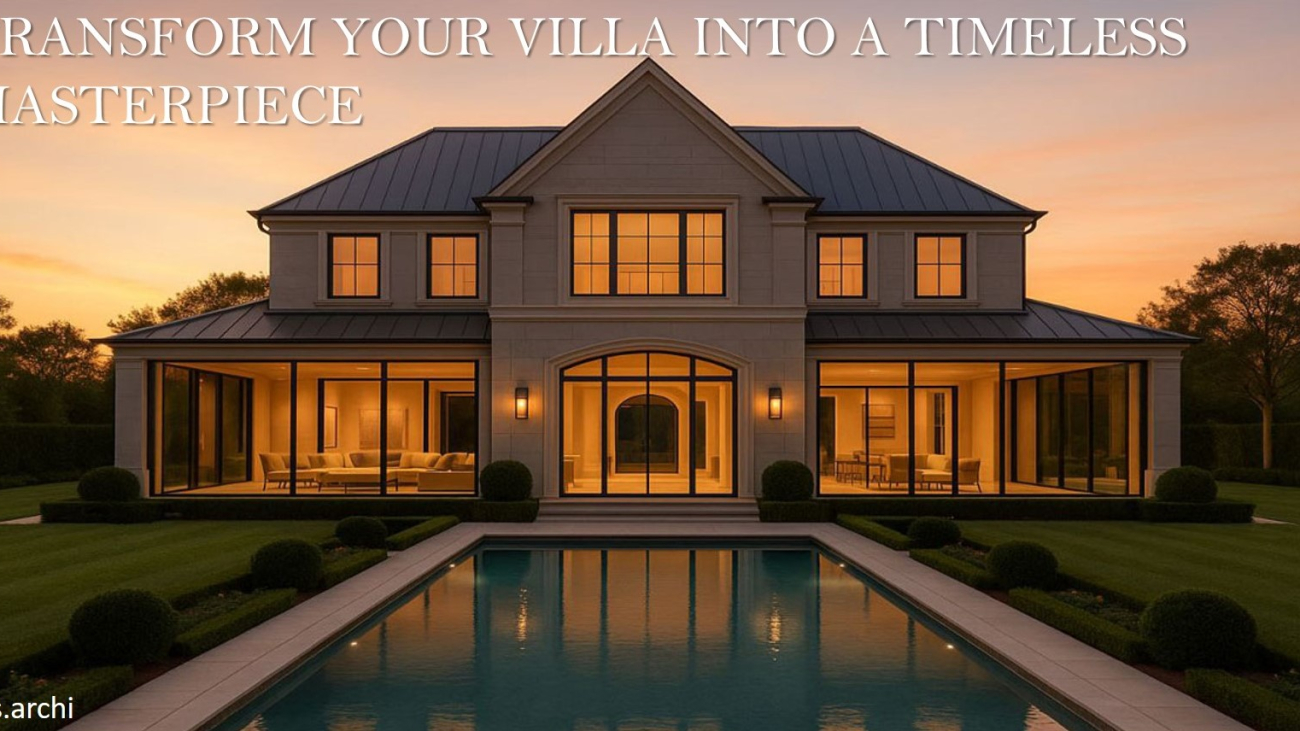
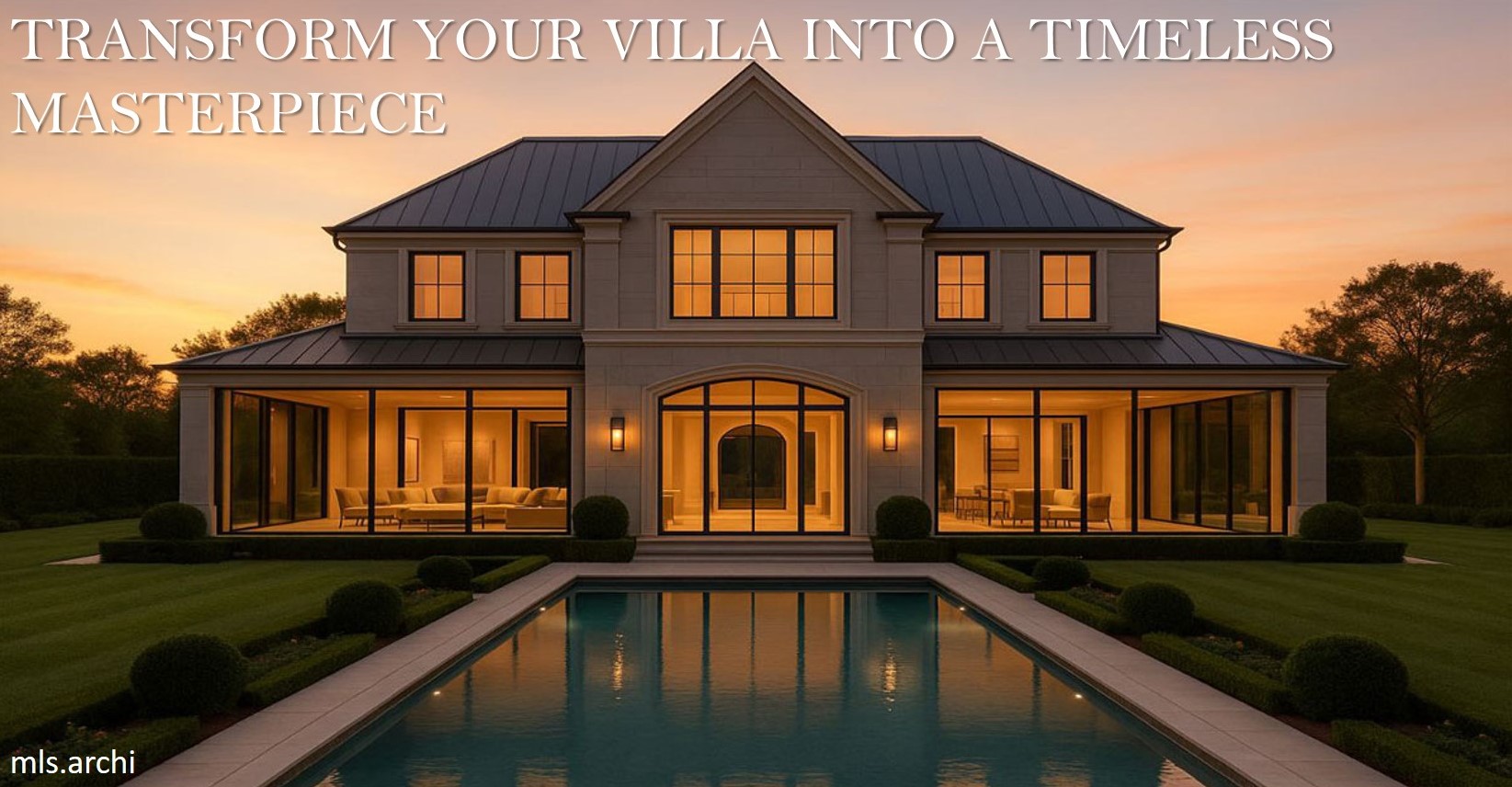
A symmetrical French-style luxury villa with tall windows, beige stone facade, and a reflecting pool at sunset.

Transform Your Villa Into a Timeless Masterpiece

Classic Villa

A symmetrical French-style luxury villa with tall windows, beige stone facade, and a reflecting pool at sunset.
A villa that Redefines Classic Luxury 

This villa is more than a home it’s a modern take on French classical architecture, reimagined for today’s lifestyle.
Set against a glowing sunset, the structured symmetry, tall windows, and steep gable rooflines give this villa an air of timeless grace. Designed with harmony and proportion in mind, every element from the stone-textured façade to the manicured garden and reflecting pool celebrates the balance of form and function.
The true beauty of a villa lies not just in its appearance, but in the experience it creates. This masterpiece invites light through its vast floor to ceiling glass windows, blending indoor comfort with the serenity of the outdoors. Its clean lines and soft neutral tones preserve the soul of classic design while embracing modern sophistication.

” Classic French DNA, Modern Soul “

While the silhouette honors traditional villas with arched windows and gabled symmetry, the minimalistic details and sleek finishes give it a fresh, refined character. This fusion appeals to homeowners who appreciate heritage but desire clarity, light, and elegance.

From its inviting backyard lounge to the rectangular swimming pool framed by clipped hedges, this villa is not just built it’s crafted to inspire.

From vision to Reality

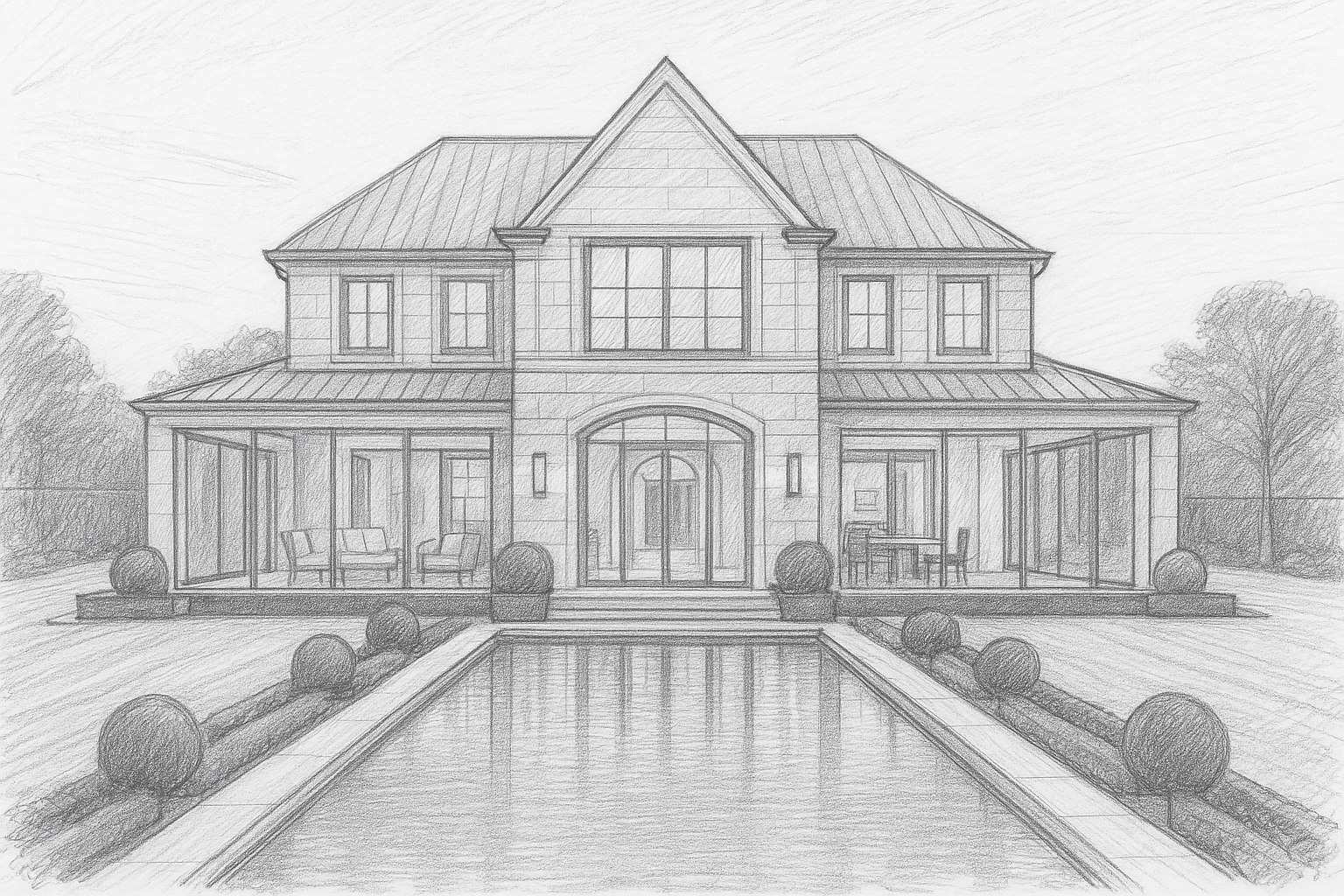
Hand-drawn architectural sketch of a luxury French-style villa with symmetrical layout and tall windows.
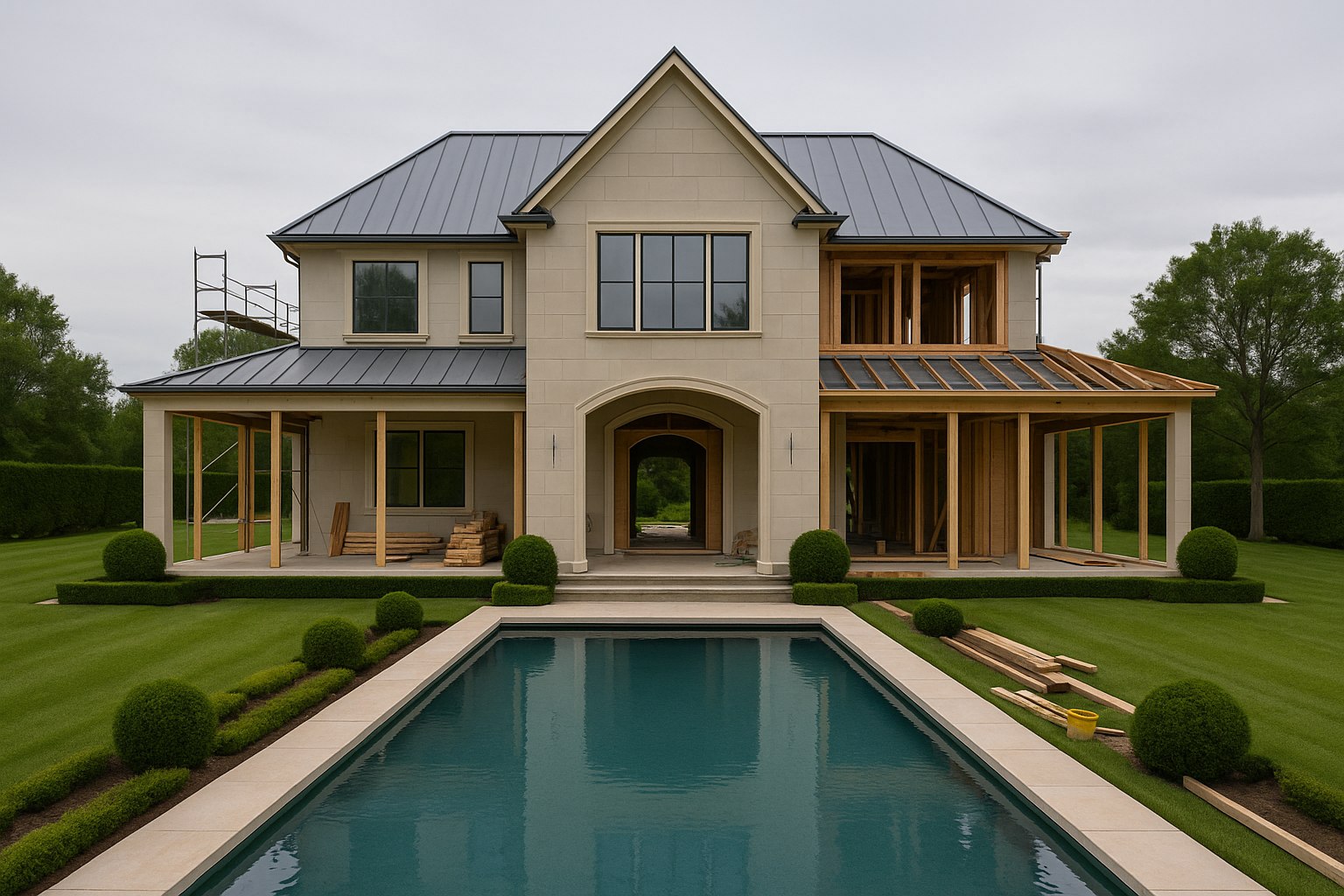
Luxury French-inspired villa under construction, showing structural framing and layout in progress.

Every masterpiece begins with a vision. From the first sketch to on-site construction, this project reflects the full journey of architectural transformation where creative design meets precise execution. Witness how ideas evolve into timeless structures

🟠Final Thoughts

If you are planning to design or renovate your dream villa, keep these key points in mind:

Start with a clear vision. A strong concept leads to timeless results.

Balance form and function. Beauty means nothing without comfort.

Respect the site. Let the land inspire your layout.

Choose quality materials. Elegance comes from detail.

Trust the process. From sketch to structure, each step matters.


“Let your villa be more than a home , let it be a legacy”