
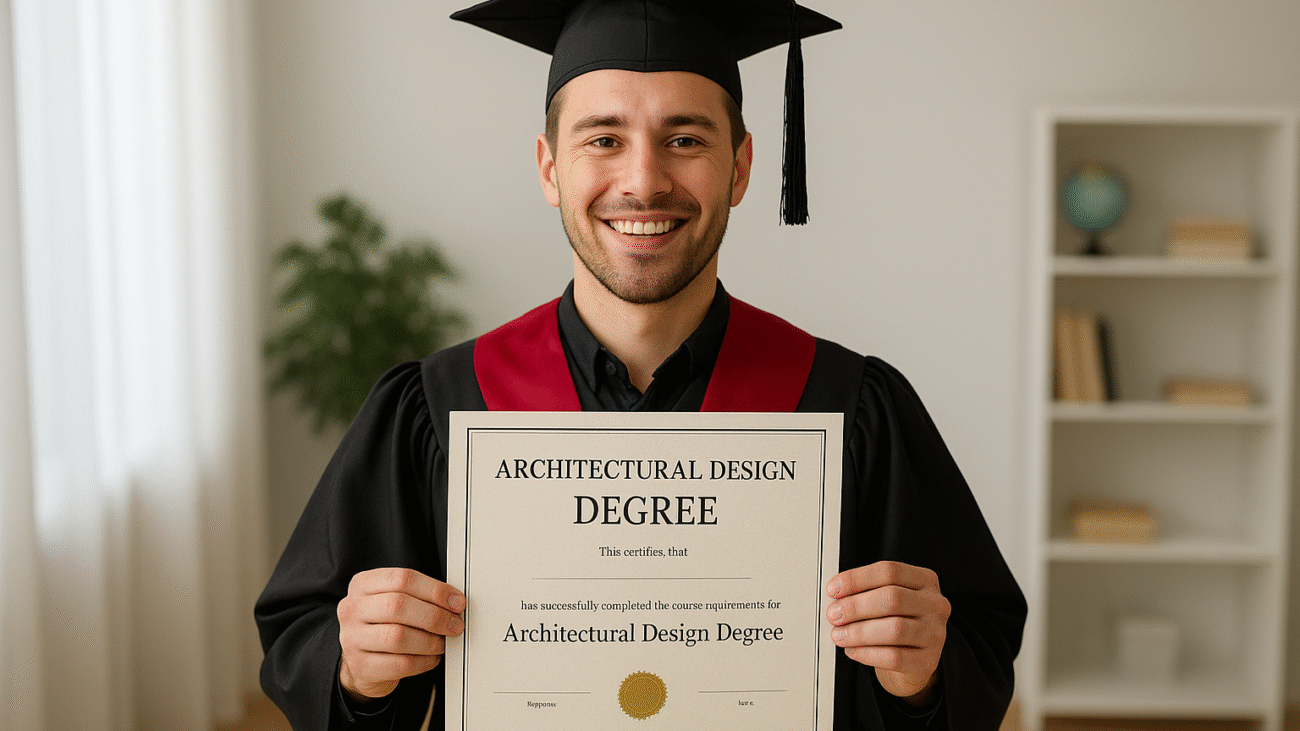
Architectural Design Degree
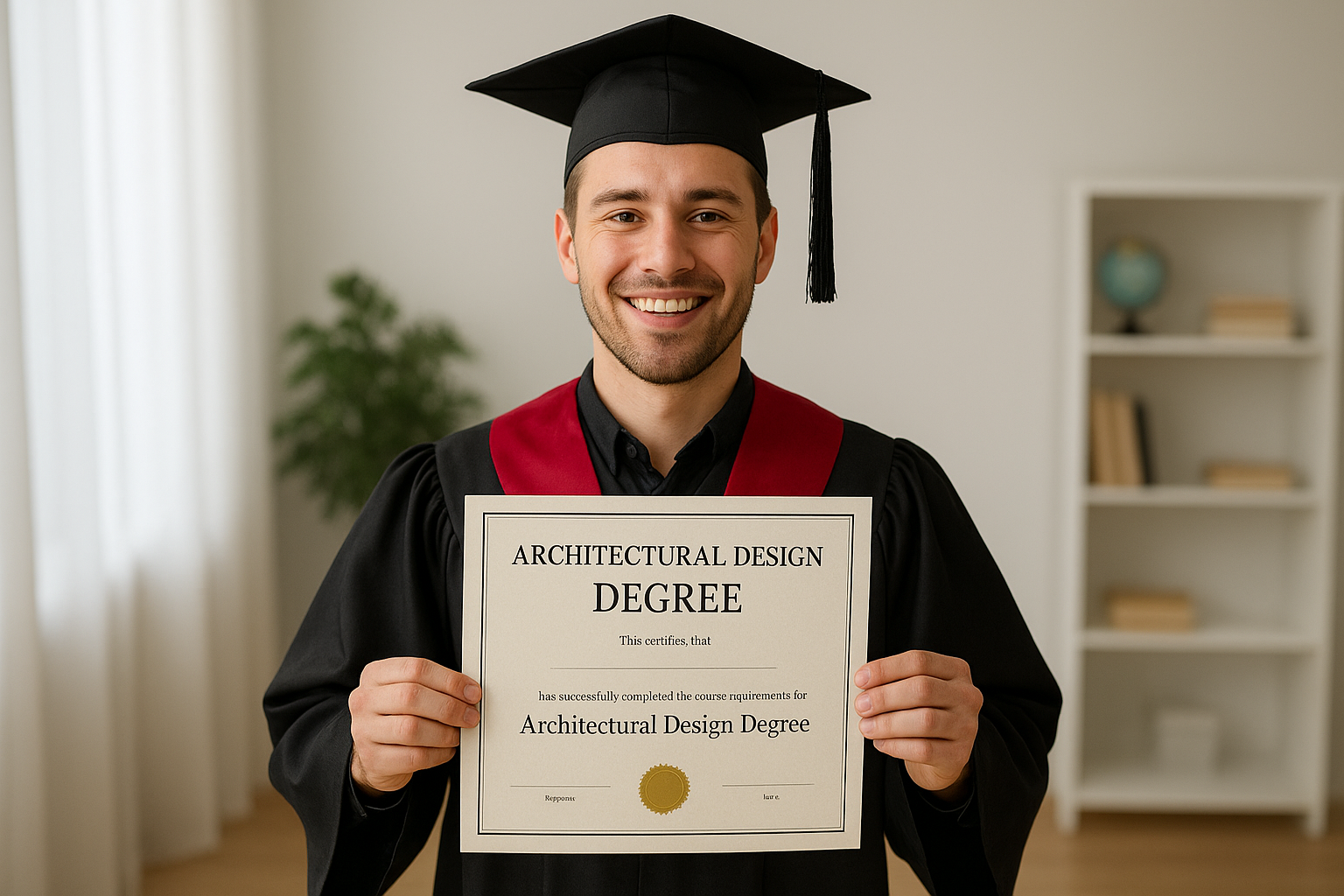
Architectural Design Degree: Programs, Careers, and Future Opportunities
Topics : architectural design degree , architecture degree programs , online architecture degree , engineering and architectural design
What Is an Architectural Design Degree ?
An architectural design degree is a multidisciplinary academic program that prepares students to become innovative professionals capable of shaping the built environment. It integrates artistic creativity, technical precision, engineering knowledge, and sustainability principles to train future architects and designers who can transform ideas into functional and inspiring spaces.
Students gain a deep understanding of architecture, urban planning, construction technology, and environmental systems, equipping them to address modern challenges such as urbanization, climate change, and sustainable development. Through theory and hands-on experience, this degree cultivates the balance between creativity and practicality—an essential quality for every successful architect.
Core Curriculum and Learning Experience
The journey toward an architectural design degree begins with foundational courses in drawing, mathematics, design theory, and architectural history. These build critical skills in visualization, proportion, and spatial awareness. As students progress, they encounter advanced topics such as:
- Building Information Modeling (BIM)
- Structural Engineering and Materials Science
- Digital Modeling and 3D Visualization
- Sustainable Design and Environmental Systems
- Project and Construction Management
A defining feature of most programs is studio-based learning. In studio courses, students develop original design projects, present their ideas, receive critiques, and refine their concepts through iterative processes. This mirrors real-world practice and encourages collaboration, problem-solving, and innovation.
Technology and Sustainability in Architecture
Modern architecture relies heavily on digital tools and sustainable thinking. Students become proficient in AutoCAD, Revit, Rhino, SketchUp, and Adobe Creative Suite, which are industry standards for drafting, modeling, and rendering. Many universities also introduce virtual reality (VR) and simulation tools that allow designers to visualize and test their projects in immersive environments.
Sustainability is now a cornerstone of architectural education. Courses in green building systems, energy efficiency, and renewable materials teach students to design with ecological responsibility. By integrating sustainable practices, graduates can create structures that minimize environmental impact and promote long-term well-being.
Interior Architectural Design Specialization
An interior architectural design degree focuses on the intersection of architecture and interior design. This specialization emphasizes how interior spaces influence human experience, health, and productivity. Students learn about space planning, lighting design, acoustics, materials, and ergonomics, ensuring that their designs are not only aesthetically pleasing but also functional and user-centered.
Technology and sustainability play crucial roles in this specialization as well. Designers use digital modeling tools and apply green design principles to create energy-efficient and eco-friendly interiors. Graduates often pursue careers in residential, commercial, hospitality, or healthcare design, or establish their own design studios catering to private clients.
Online Architectural Design Degree Options
The growth of online education has revolutionized how aspiring architects earn their degrees. An online architectural design degree offers a flexible, accessible, and affordable pathway to architectural education, particularly for working professionals or international students.
These programs maintain the same academic rigor as traditional ones but deliver it through virtual studios, interactive lectures, and digital collaboration tools. Students participate in group projects, receive real-time feedback from instructors, and often present their designs through virtual exhibitions.
Key benefits of online architecture degrees include:
- Flexibility: Study at your own pace and balance work or family commitments.
- Accessibility: Enroll in top programs without relocation.
- Technology-driven learning: Use BIM, 3D modeling, and VR tools remotely.
However, it’s essential to choose an accredited program (such as those recognized by the NAAB in the U.S. or equivalent bodies elsewhere). Accreditation ensures your degree meets professional standards and supports your eligibility for licensure.
Engineering and Architectural Design Integration
The engineering and architectural design degree bridges the gap between creativity and structural science. It combines engineering principles—like mechanics, materials, and physics—with architectural design thinking, enabling students to create structures that are both beautiful and technically sound.
Students in this hybrid program learn how to integrate aesthetics with functionality, design energy-efficient and safe buildings, and apply data-driven methods for construction optimization. They also explore renewable energy systems, sustainable infrastructure, and urban resilience—skills increasingly vital in the era of smart cities.
Graduates often work as architectural engineers, project consultants, sustainability experts, or construction managers, where they oversee projects from design through completion. The interdisciplinary nature of this education fosters collaboration and innovation across multiple sectors of the built environment.
Career Opportunities with an Architectural Design Degree
An architectural design degree opens a diverse range of career pathways. While becoming a licensed architect remains the most direct route, the degree’s flexibility allows graduates to explore many industries. Common career options include:
- Design and oversee construction of residential, commercial, and civic projects.
- Interior Designer: Develop functional and aesthetic indoor spaces tailored to user needs.
- Urban Planner: Shape sustainable city layouts, transport systems, and community spaces.
- Landscape Architect: Integrate nature with built environments to enhance outdoor areas.
- Project or Construction Manager: Supervise the execution of architectural projects.
- Sustainability Consultant: Implement eco-friendly design strategies and green certifications.
- 3D Visualization Artist or BIM Specialist: Create realistic renderings and manage digital design data.
- Academic or Researcher: Contribute to architectural theory, technology, or design innovation.
Additionally, entrepreneurial graduates often start their own firms, offering architectural, interior, or sustainability consulting services. With growing demand for smart, green, and resilient designs, these roles are more important than ever.
The Future of Architectural Design
The architectural profession is rapidly evolving in response to technological, environmental, and social changes. Artificial intelligence, parametric design, and generative modeling are transforming how architects conceptualize and optimize their work. Similarly, the global emphasis on sustainability and climate-resilient infrastructure is reshaping education and practice.
Future architects will need to master cross-disciplinary collaboration, data-driven design, and social responsibility. The best architectural design programs are already preparing students for this future—training them to think not only as designers but as innovators and problem solvers for a rapidly changing world.
An architectural design degree is far more than an academic qualification—it’s a gateway to shaping the physical world responsibly and creatively. By combining technical expertise, artistic vision, and sustainable principles, graduates are empowered to build environments that inspire, protect, and endure.
Whether pursuing architecture, interior design, or engineering-focused pathways, individuals with this degree are uniquely positioned to influence how we live, work, and interact with our surroundings. As technology and sustainability redefine the industry, the architectural design degree remains a powerful foundation for those determined to design a better, smarter, and greener future.