
Architectural Designer Jobs Near Me
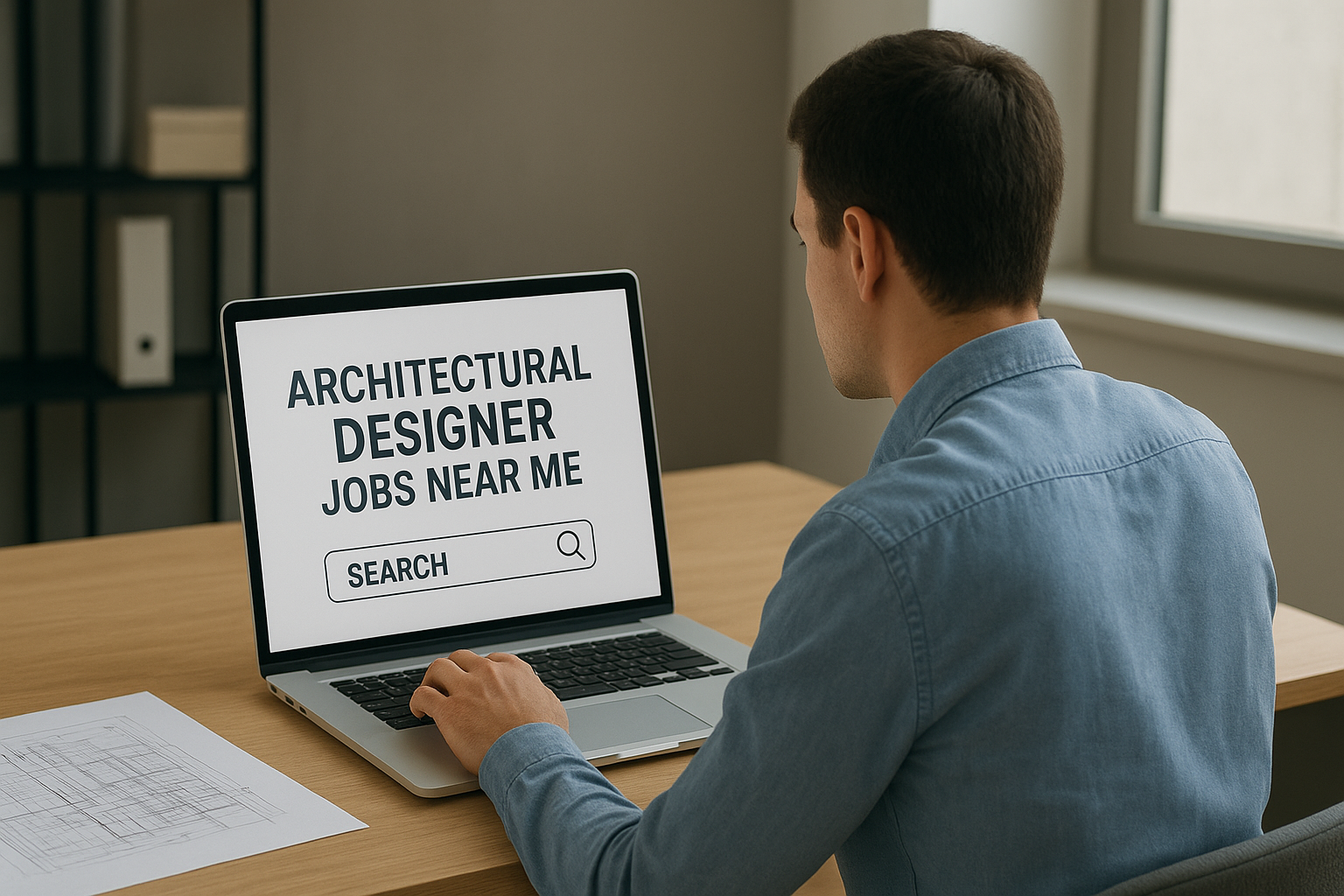
Architectural Designer Jobs Near Me: Your Complete Guide to Building a Successful Career
Understanding the Role of an Architectural Designer
An architectural designer plays a vital role in shaping the built environment by transforming conceptual ideas into functional and aesthetic structures. Their work extends far beyond drafting blueprints — it involves creative problem-solving, collaboration with architects and engineers, and ensuring that every project complies with building codes, zoning regulations, and sustainability standards.
Architectural designers are the bridge between imagination and reality. They conceptualize design ideas, develop technical drawings, and assist throughout the project lifecycle — from initial sketches to detailed construction documentation. Their ability to merge art, technology, and practicality defines the success of every architectural project.
Key Qualifications and Essential Skills
To thrive in architectural design, candidates must possess a balance of technical expertise, creativity, and project management capabilities.
Educational Background:
A degree in Architecture, Architectural Design, or a related field is typically required. Many firms also value candidates with postgraduate education or certifications in sustainable design or Building Information Modeling (BIM).
Core Skills Include:
- Proficiency in software such as AutoCAD, Revit, SketchUp, Rhino, and Adobe Creative Suite.
- Strong understanding of architectural principles, building codes, and zoning laws.
- Ability to create compelling 3D visualizations and detailed construction drawings.
- Excellent communication and teamwork skills.
- Creativity and adaptability to meet diverse client and project requirements.
As architecture evolves toward sustainability and digital innovation, professionals who master green design principles and cutting-edge tools like BIM or parametric modeling will remain in high demand.
How to Find Architectural Designer Jobs Near You
Finding architectural designer jobs near your location requires a combination of digital strategy, networking, and industry engagement. Here are effective ways to uncover the best opportunities:
Online Job Portals:
Platforms like Indeed, LinkedIn, Glassdoor, and Archinect frequently list architectural positions across experience levels. Use precise filters such as job title, location, and experience range.
Company Websites:
Many leading architecture firms advertise openings directly on their websites. Create alerts or subscribe to career pages of firms in your city or region.
Networking and Local Events:
Attend architecture seminars, exhibitions, and local AIA (American Institute of Architects) chapter meetups. Building relationships with professionals often leads to hidden opportunities.
University and Alumni Resources:
For recent graduates, leveraging university career services can provide valuable internship or entry-level connections.
Professional Associations:
Joining organizations like AIA, RIBA, or local architectural societies gives access to exclusive job boards, mentorship programs, and continuing education events.
Entry-Level and Junior Architectural Designer Roles
Starting your career as an entry-level or junior architectural designer offers an essential foundation in professional practice. These positions provide exposure to design development, technical drafting, and project coordination.
Key Responsibilities Include:
- Assisting senior architects in design concepts and project presentations.
- Preparing detailed drawings, 3D renderings, and documentation.
- Conducting site analysis and material research.
- Collaborating with clients, contractors, and multidisciplinary teams.
Tips for Success:
- Build a strong, well-curated portfolio showcasing your academic and personal projects.
- Tailor your resume to highlight technical software proficiency and teamwork experience.
- Demonstrate curiosity, adaptability, and a willingness to learn from senior professionals.
- Junior designers who actively participate in real-world projects gain insights that accelerate their professional growth and open pathways to senior roles.
Remote and Hybrid Architectural Designer Opportunities
The architectural landscape is becoming increasingly flexible, with remote and hybrid positions growing rapidly. Many firms now collaborate virtually, enabling designers to contribute to projects across cities or even countries.
Advantages of Remote Roles:
- Flexibility to work from anywhere.
- Exposure to international projects and diverse design approaches.
- Reduced commuting time and increased productivity.
However, remote designers must maintain strong communication, digital presentation, and time-management skills to thrive in virtual teams. Proficiency in collaboration tools such as Revit Cloud, BIM 360, and Microsoft Teams is particularly valuable.
Recent Architectural Designer Job Trends
The job market for architectural designers has shown steady growth over the past months. In the last week alone, many firms have posted vacancies for positions ranging from junior designers to senior project architects, especially in regions focusing on urban development and green infrastructure.
Key hiring trends include:
- Increased demand for sustainable and energy-efficient design specialists.
- Preference for candidates with strong BIM and visualization expertise.
- Growing number of remote and freelance design opportunities.
- Staying updated with these market dynamics ensures you remain competitive and aligned with evolving employer expectations.
Career Growth and Future Outlook
Architectural design offers a long-term career pathway filled with innovation and impact. Experienced designers can progress to roles such as Project Architect, Design Manager, or Creative Director.
As the world moves toward smart cities and climate-responsive design, the profession will increasingly value individuals who merge aesthetic excellence with environmental awareness. Continuous learning, professional certification, and staying updated with technology trends will remain essential for sustained success.
Exploring architectural designer jobs near you is more than just a job search — it’s an opportunity to shape communities, redefine skylines, and contribute to sustainable progress. Whether you’re an aspiring graduate or an experienced designer, success lies in staying informed, adaptable, and connected to the evolving architectural landscape.
By combining technical mastery with creativity and collaboration, you can build a fulfilling career that leaves a lasting impact on the world around you.