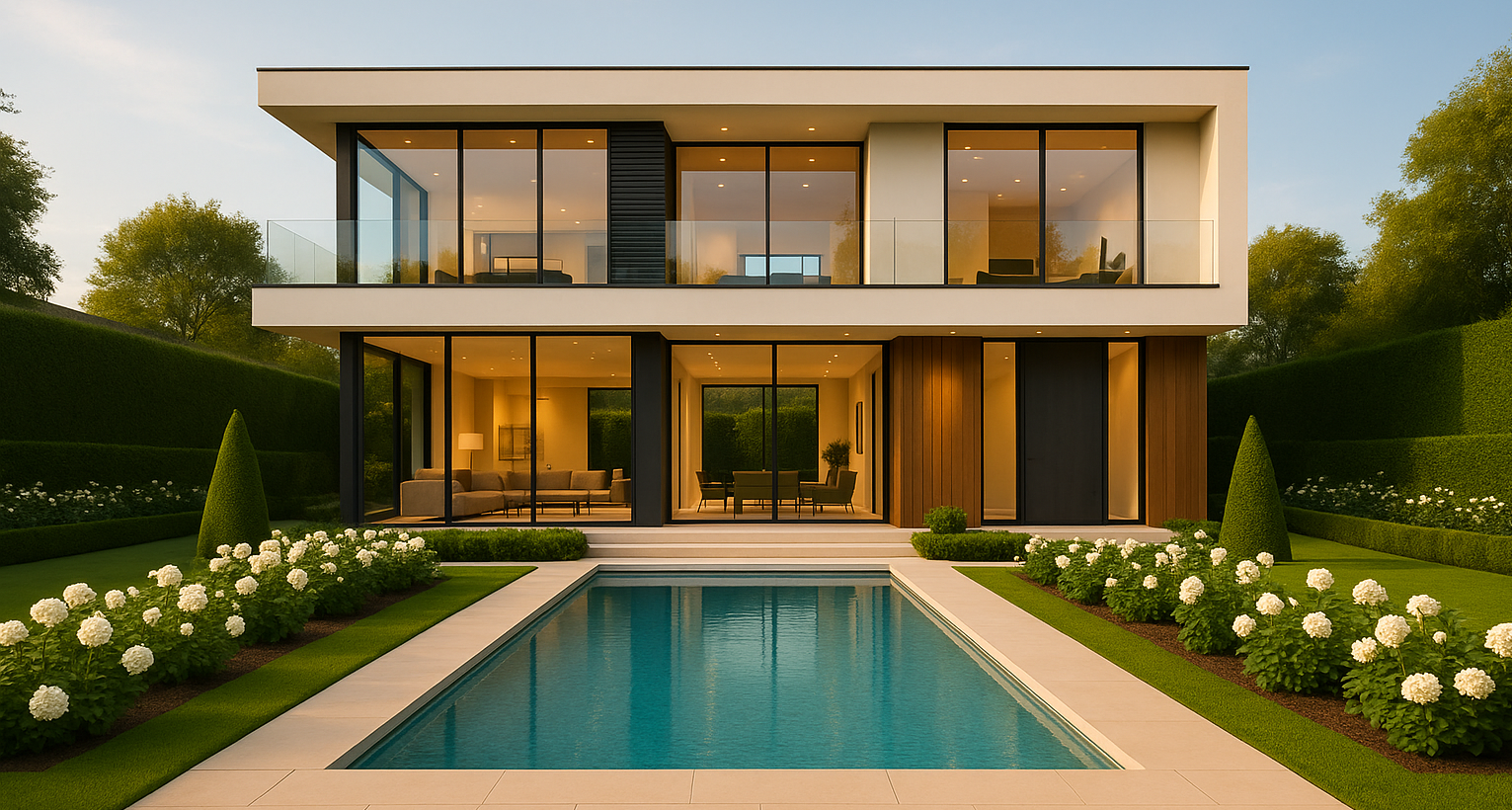
Bachelor of Architectural Design - Modern creative featured image with architecture and design elements

Bachelor of Architectural Design

The Bachelor of Architectural Design (BArch or BArchDes) is a three-year undergraduate degree that introduces students to the foundations of architecture and built environment design.
It combines theoretical study with hands-on practice, encouraging creativity, critical thinking, and problem-solving.

Students learn key aspects such as:

  1. Architectural design principles
  2. Building technology and structural systems
  3. Environmental sustainability
  4. Digital design and Building Information Modeling (BIM)
  5. History and theory of architecture

Design studios are the heart of this program — where students work on real-world projects, develop conceptual ideas, and bring them to life using advanced software and fabrication tools. The course not only builds technical competence but also nurtures artistic vision and social responsibility.


Why Study Architecture in Australia?

Australia is home to globally ranked architecture schools known for blending creativity with sustainability and industry engagement. Here’s why international students choose to study architecture in Australia:

  1. World-class universities: Australian institutions consistently rank among the top globally for architecture and design.
  2. Hands-on learning: Programs emphasize real-world projects, internships, and collaborations with architecture firms.
  3. Focus on sustainability: Courses integrate green building principles and environmentally responsible design.
  4. Post-study opportunities: Graduates are eligible for post-study work visas and can gain professional experience in Australia’s thriving architecture industry.
  5. Global recognition: Australian architecture degrees are respected worldwide and open doors to international career pathways.


Top Universities Offering Bachelor of Architectural Design in Australia

1. Griffith University

Location : Queensland, Australia

Griffith University’s Bachelor of Architectural Design program combines creativity, technical expertise, and sustainability.
Students develop a strong foundation in design, building technology, and environmental awareness through hands-on studio work and theoretical courses.

Highlights:

  1. Emphasis on sustainable and socially responsible design
  2. Access to state-of-the-art design studios, computer labs, and fabrication workshops
  3. Collaboration with industry partners and live design projects
  4. Opportunities for internships and networking

Graduates from Griffith emerge as innovative thinkers, ready to contribute to sustainable architecture both locally and globally.

2. Monash University

Location : Melbourne, Australia

Monash University offers a Bachelor of Architectural Design designed to nurture future-ready architects through creativity, technology, and research.
The program integrates theory and practice, with a strong emphasis on sustainability and innovation.

Key Features:

  1. Three-year undergraduate program with a focus on architectural design, urban planning, and environmental sustainability
  2. Studio-based learning with real-world architectural challenges
  3. Collaboration with industry professionals and research centers
  4. Strong focus on sustainable, human-centered design

Monash graduates are well-prepared for professional practice or further study in the Master of Architecture, which leads to professional registration.

3. The University of Queensland (UQ)

Location : Brisbane, Australia

The Bachelor of Architectural Design at UQ offers a balanced combination of technical skills and creative development.
This program focuses on sustainability, digital design, and innovation — preparing students to become responsible and forward-thinking architects.

Program Structure:

  1. Core courses in design studios, building technology, and environmental sustainability
  2. Integration of advanced digital tools like CAD, BIM, and Virtual Reality (VR)
  3. Strong focus on sustainability and climate-responsive architecture
  4. Internships and industry collaborations for practical experience

Graduates can progress to the Master of Architecture at UQ, or enter roles in urban design, planning, or construction management.

4. RMIT University

Location : Melbourne, Australia

RMIT University’s Bachelor of Architectural Design is known for its hands-on, studio-based approach that combines design innovation with real-world engagement.
The program encourages students to explore creative ideas while addressing sustainability and social responsibility.

Distinctive Aspects:

  1. Studio-focused curriculum emphasizing creative experimentation
  2. Integration of digital fabrication, parametric design, and BIM technologies
  3. Access to advanced facilities and fabrication labs
  4. Strong ties to industry through internships, exhibitions, and competitions

RMIT’s global perspective and multicultural learning environment prepare graduates to work across international architectural contexts.


Course Structure and Duration

The Bachelor of Architectural Design in Australia typically runs for three years full-time.
Students study a combination of core and elective subjects that cover:

  1. Design Studio Practice
  2. Architectural History & Theory
  3. Building Materials and Construction
  4. Environmental Design & Sustainability
  5. Digital Modeling and 3D Visualization

After completing this degree, graduates often continue to a Master of Architecture, which is the professional qualification required to become a registered architect in Australia.


Career Opportunities

Graduates of the Bachelor of Architectural Design in Australia can pursue a wide range of careers within the design and construction industries, such as:

  1. Architectural Designer
  2. Urban Planner
  3. Interior Designer
  4. Landscape Architect
  5. BIM Specialist
  6. 3D Visualization Expert
  7. Sustainability Consultant

Many graduates also work with international architecture firms, government agencies, and research institutions focused on urban development and sustainable design.


Entry Requirements and Admission

Entry requirements vary by university but generally include:

  1. Completion of Year 12 (or equivalent)
  2. Portfolio of creative work (for some universities)
  3. English language proficiency (IELTS 6.5 overall or equivalent)

Some institutions may also require interviews or design aptitude tests. International students are encouraged to apply early to secure placement and student visa processing.


The Bachelor of Architectural Design in Australia offers a unique blend of creativity, innovation, and sustainability.
Students gain hands-on experience through world-class facilities, industry partnerships, and global learning opportunities.
With strong career prospects and internationally recognized qualifications, studying architecture in Australia is a powerful step toward a rewarding and impactful career in the built environment.

Whether you choose Griffith, Monash, UQ, or RMIT, you’ll receive an education that empowers you to design the sustainable, inspiring spaces of tomorrow.
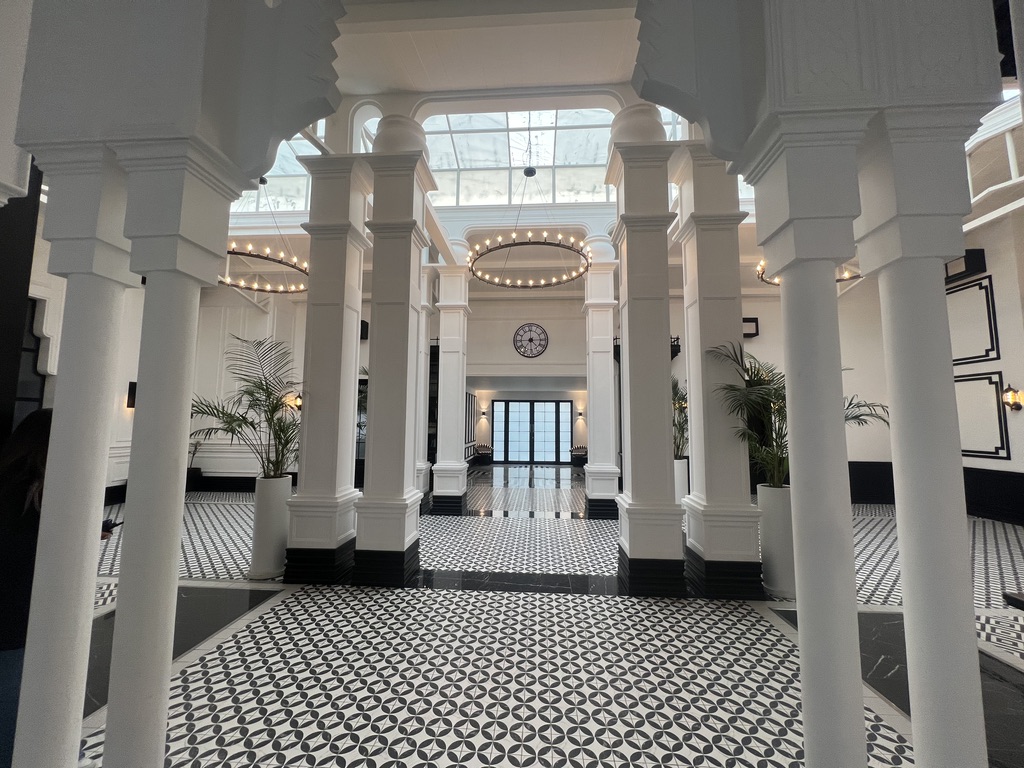
Grand Wedding Hall

Grand Wedding Hall

View Project
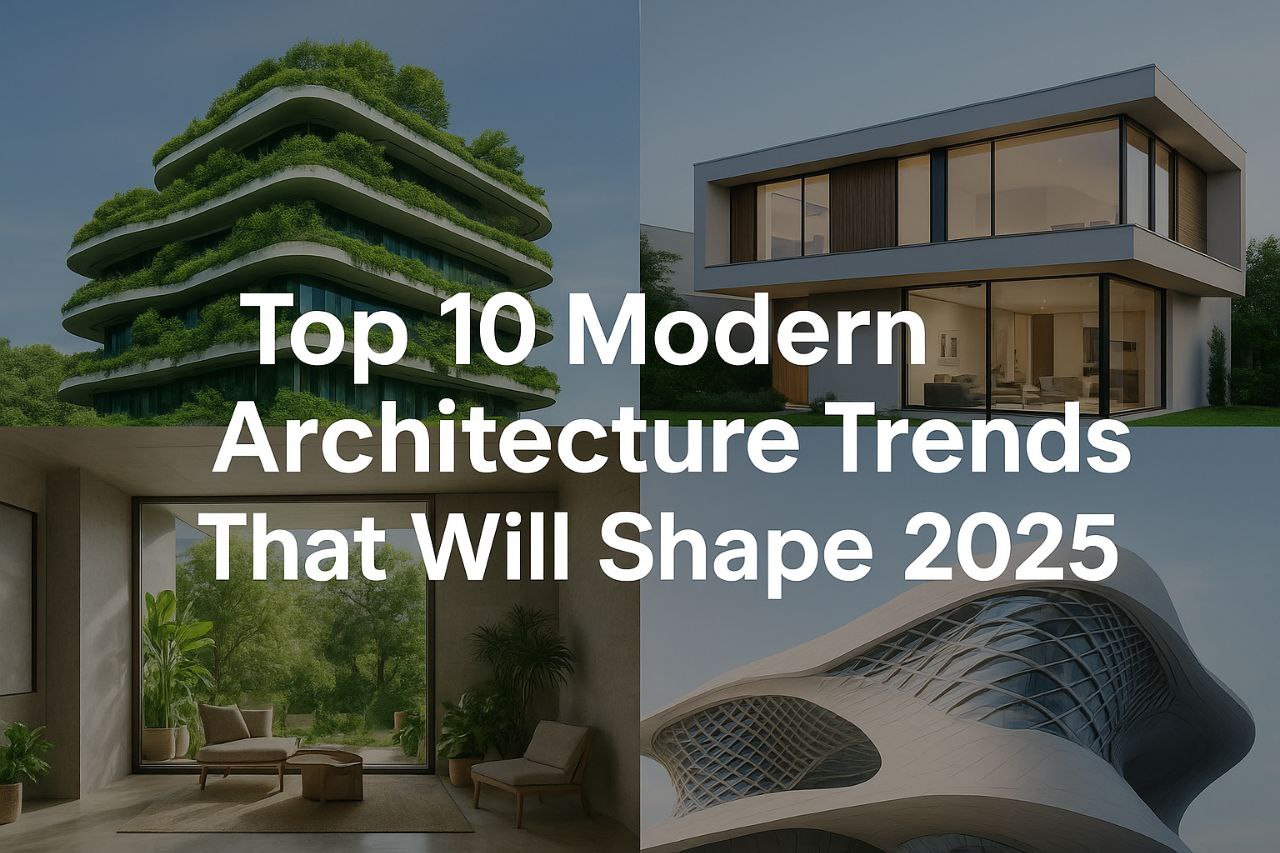
Top 10 Modern Architecture Trends

Top 10 Modern Architecture Trends That Will Shape 2025

Read Article
AI for Architectural Design neon graphic with brain circuit and futuristic building

Ai for Architectural Design

Artificial Intelligence in Architectural Design : Transforming the Future of Architecture

Artificial Intelligence (AI) is redefining the world of architectural design. By merging creativity with computation, AI enables architects to conceptualize, plan, and execute projects more efficiently than ever. It enhances design quality, sustainability, and innovation — changing how architecture is imagined and built.


AI and Generative Design

One of AI’s most powerful contributions to architecture is generative design. Through algorithms and machine learning, architects can input parameters such as space, budget, materials, and environmental conditions.
AI then generates multiple optimized design options — each meeting the specified criteria.

This process accelerates the design phase and broadens creative exploration. Tools like Autodesk Generative Design and Spacemaker AI are at the forefront, allowing designers to uncover solutions that might remain unseen with traditional methods.

AI in Structural Analysis and Simulation

AI also improves structural analysis by predicting how a building will respond to different conditions such as wind, load, and temperature.
Advanced AI models simulate energy consumption, daylight exposure, and thermal comfort, ensuring buildings are safe, efficient, and environmentally responsible.

By leveraging AI early in design, architects can optimize both performance and sustainability.

Integration of AI with Building Information Modeling (BIM)

AI strengthens BIM (Building Information Modeling) by automating routine tasks like clash detection, scheduling, and quantity estimation.
AI-powered BIM systems minimize human error, save time, and deliver data-driven insights for better decision-making throughout a project’s lifecycle.

User-Centric and Smart Design

AI fosters user-centered architecture by analyzing user behavior, preferences, and spatial patterns.
This allows architects to design environments that improve comfort, productivity, and functionality.
For instance, AI can optimize space layouts based on movement patterns, resulting in smarter and more adaptive designs.

AI and Sustainability in Architecture

Sustainability lies at the heart of modern design, and AI is a vital enabler.
AI-driven energy modeling helps minimize carbon footprints by optimizing materials, lighting, and temperature control.
Tools like EcoDesigner and AI-integrated simulations empower architects to design eco-friendly buildings that align with global environmental goals.

Top AI Tools for Architectural Design

AI tools are reshaping how architects visualize and execute ideas. Below are some of the best in the field:

  1. Autodesk Generative Design – Automates design exploration based on performance criteria.
  2. Spacemaker AI – Analyzes site conditions to create optimized layouts.
  3. TestFit – Generates quick feasibility studies for mixed-use projects.
  4. Rhino + Grasshopper (with AI Plugins) – Enables algorithmic and parametric modeling.
  5. Adobe Sensei – Accelerates rendering and visualization.
  6. FreeCAD & Blender (with AI plugins) – Offer open-source generative design capabilities.

These tools enhance both creativity and efficiency while supporting sustainable, data-driven workflows.

Free AI Tools for Architects

Free and open-source AI platforms have democratized architectural innovation.
Tools like Dream by Wombo, NightCafe, Spline, and Figma allow architects to visualize ideas and collaborate in real-time.
Meanwhile, ChatGPT supports research, writing, and technical documentation, saving valuable time.
Such tools empower students, freelancers, and small firms to access powerful AI capabilities without high costs.

Generative AI: Research and Future Prospects

Recent studies highlight how Generative Adversarial Networks (GANs) and Variational Autoencoders (VAEs) generate realistic and functional architectural designs.
Researchers are also combining generative AI with BIM, VR, and AR to automate structural layouts and enhance collaboration.

As AI continues to advance, hybrid models that merge rule-based logic with deep learning will offer more creative control and precision — signaling a future where AI becomes a true design partner.

Challenges of AI in Architecture

While AI offers immense potential, it also brings challenges:

  1. Ethical concerns over authorship and automation
  2. Data privacy issues
  3. Skill gaps among architects in AI and data science

Addressing these challenges ensures AI remains a collaborative tool, not a replacement for human creativity.


AI is revolutionizing architecture by combining computational intelligence with artistic vision.
From generative design to sustainability modeling, AI empowers architects to create smarter, greener, and more efficient spaces.
Those who embrace AI will lead the next era of architectural innovation — where technology and creativity unite to shape a more sustainable and adaptive built environment.

Top 10 Modern Architecture Trends

Top 10 Modern Architecture Trends That Will Shape 2025

Read Article
Futuristic Office Portfolio

Futuristic Office

View Portfolio
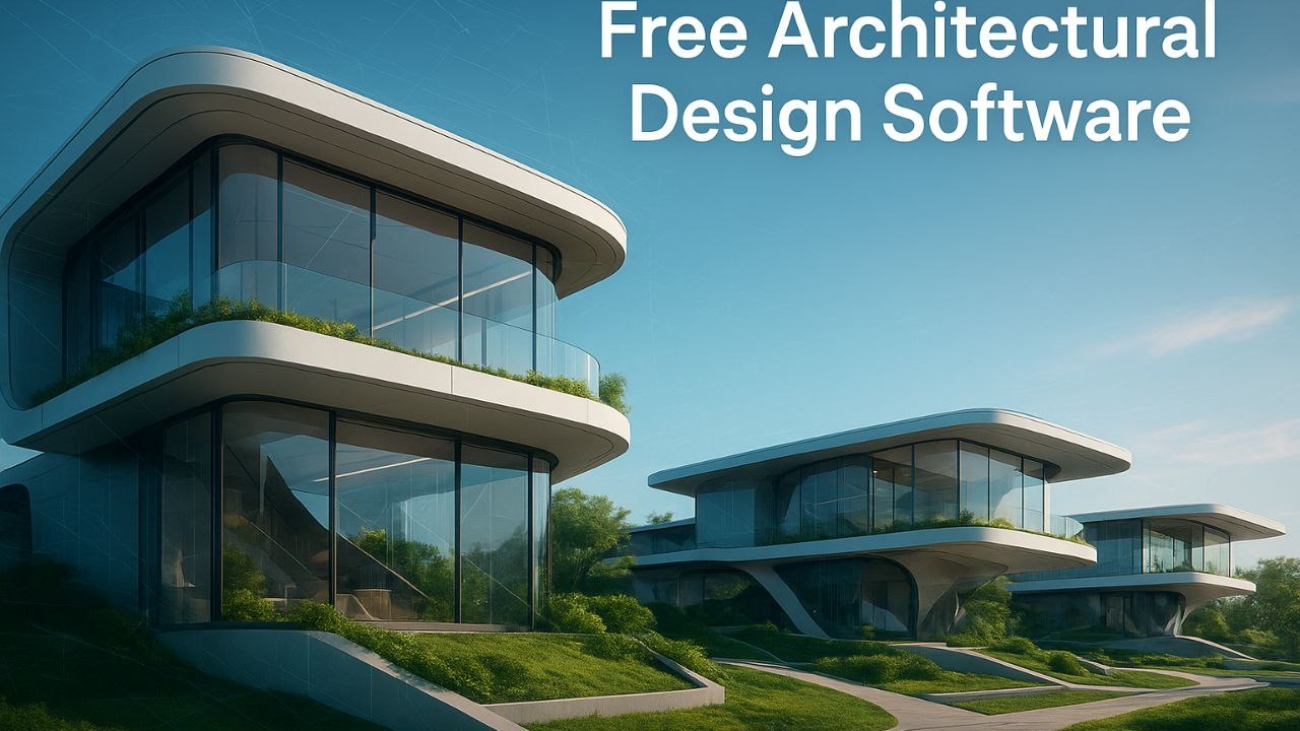
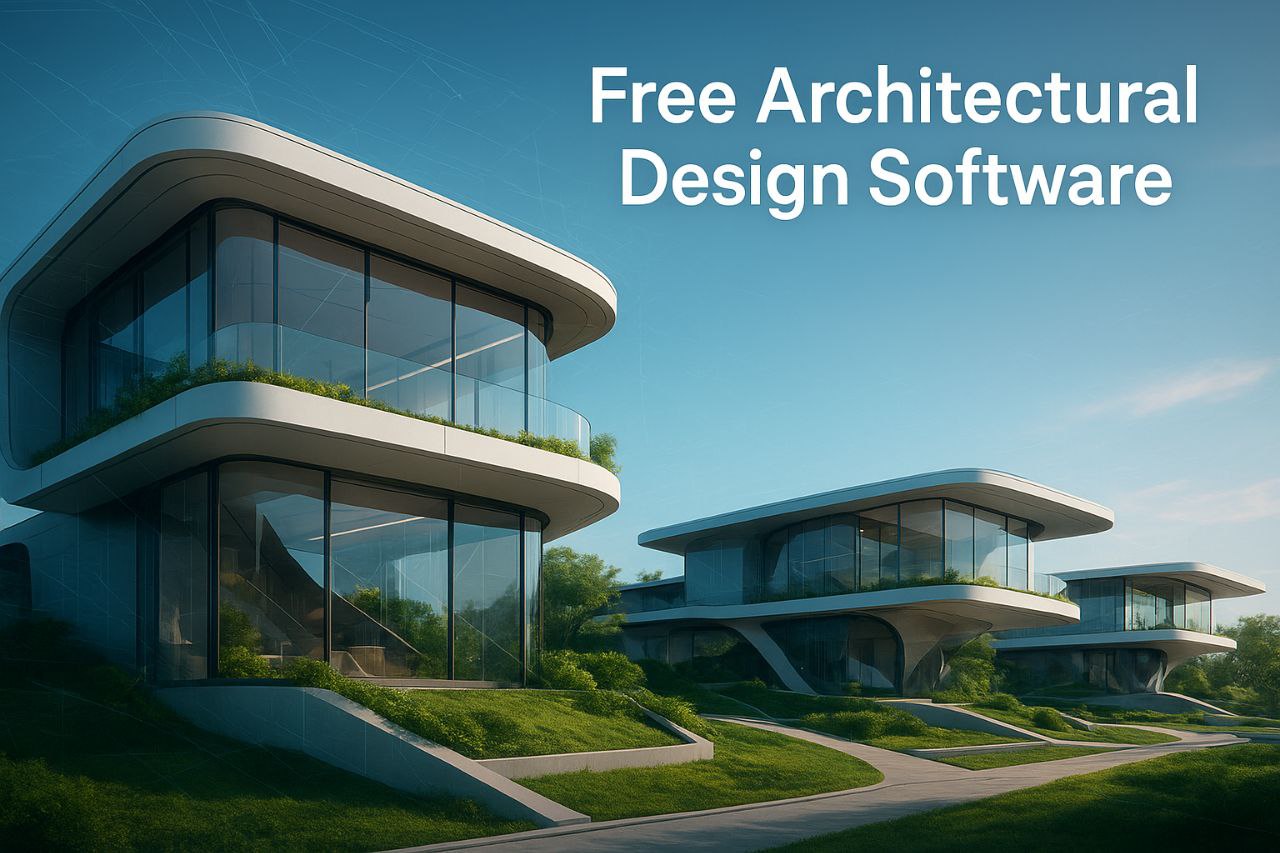
Futuristic modern glass villas showcasing free architectural design software

Free Architectural Design Software

Futuristic modern glass villas showcasing free architectural design software

Free Architectural Design Software : Unlocking Creativity and Accessibility in Architecture

Architectural Design Software : The Ultimate Guide to Free, Online, and Professional Tools

 In the rapidly evolving field of architecture, digital design software has become the foundation of modern creativity and technical precision. From conceptual visualization to detailed construction documentation, architectural design software empowers professionals to bring their ideas to life, enabling them to explore complex geometries, simulate real-world performance, and collaborate efficiently across disciplines. As technology continues to advance, understanding which software best fits a designer’s workflow has become essential for success in 2025.

The Role of Architectural Design Software

Architectural design software serves as the bridge between imagination and constructibility. It allows architects and designers to model spaces in three dimensions, analyze materials and energy efficiency, and produce drawings with millimeter-level precision. These tools not only improve the quality of design but also streamline communication between architects, engineers, and clients through integrated Building Information Modeling (BIM) platforms.

Modern design workflows are no longer limited to static CAD drafting; instead, they rely on dynamic, data-rich environments that simulate every stage of a building’s lifecycle. From schematic design and parametric modeling to visualization and documentation, software has transformed architecture into a digital-first discipline.

Categories of Architectural Design Software

The ecosystem of architectural software can be divided into several major categories based on functionality:

  1. BIM Software (Building Information Modeling): Focused on data integration, collaboration, and real-world construction simulation. Examples: Revit, ArchiCAD, Vectorworks Architect.
  2. 3D Modeling Software: Prioritizes creative freedom and conceptual exploration. Examples: SketchUp, Rhino, Blender, 3ds Max.
  3. CAD Software: Used for drafting precise 2D or 3D construction documents. Examples: AutoCAD, DraftSight, BricsCAD.
  4. Rendering and Visualization Tools: Focused on photorealistic representation and presentation. Examples: Lumion, Enscape, Twinmotion, V-Ray.
  5. Free and Open-Source Tools: Offer cost-effective alternatives without sacrificing capability. Examples: FreeCAD, Blender, Planner 5D.

Each category serves different phases of the design process, from initial concept to construction documentation, and the best professionals often combine several tools for maximum flexibility.

Leading Professional Software in 2025

Autodesk Revit

Revit remains the gold standard for BIM-based architectural design. Its intelligent modeling environment integrates architecture, structure, and MEP systems within a single data-rich platform. In 2025, new AI-driven features enhance automatic detailing, clash detection, and sustainability analysis. For firms managing large, multidisciplinary projects, Revit provides unmatched coordination capabilities and industry-standard interoperability.

SketchUp

SketchUp continues to dominate as the most intuitive 3D modeling software for architects and interior designers. Its simplicity, coupled with the powerful 3D Warehouse and extensions ecosystem, makes it ideal for quick conceptual design. The 2025 version includes improved real-time rendering integration and enhanced parametric modeling features. SketchUp is widely used both by professionals and students due to its gentle learning curve and versatility.

Rhino 3D and Grasshopper

Rhino remains the go-to tool for advanced geometric modeling and computational design. With Grasshopper, its built-in visual scripting language, designers can automate complex workflows, create responsive façade systems, and integrate environmental data directly into the design process. In 2025, Rhino’s interoperability with Revit and other BIM tools has made it even more essential for parametric and performance-driven architecture.

ArchiCAD

Developed by Graphisoft, ArchiCAD offers a highly efficient BIM environment with an emphasis on design freedom and collaboration. Its real-time teamwork system enables architects and engineers to co-edit projects seamlessly. In recent years, ArchiCAD’s integrated sustainability metrics and open BIM format have positioned it as a serious competitor to Autodesk’s ecosystem.

Free and Online Architectural Design Software

The availability of free and browser-based design tools has expanded access to architectural design for students, freelancers, and small studios.

Blender:

A professional-grade open-source tool for modeling, rendering, and animation. It’s widely used for architectural visualization thanks to the Cycles and Eevee render engines. Blender’s flexibility makes it suitable for both conceptual and photorealistic workflows.

FreeCAD:

Ideal for beginners and engineers alike, FreeCAD offers parametric modeling features comparable to premium software. It’s lightweight, cross-platform, and open-source, making it perfect for educational purposes or cost-sensitive projects.

Planner 5D:

A web-based platform designed for interior and architectural layout creation. With its drag-and-drop interface, it’s accessible to non-professionals and students who want to visualize floor plans and 3D spaces quickly.

SketchUp Free:

The online version of SketchUp offers basic yet powerful modeling features accessible from any browser. It’s especially useful for students and designers who need flexibility without installation.

These free and online platforms demonstrate how architectural design has become more inclusive and cloud-based. The future of design is increasingly collaborative, with cloud storage, real-time co-editing, and AI assistance becoming integral components.

Software for Beginners in Architectural Design

For those starting out, ease of use and intuitive interfaces are crucial. In 2025, the following software are recommended for beginners:

SketchUp Free:

Perfect for learning spatial modeling and basic design workflows.

Planner 5D:

Great for experimenting with layouts and visualization.

FreeCAD:

Excellent for learning technical modeling principles.
These programs provide a gateway into architectural thinking, allowing new designers to explore form, proportion, and composition before transitioning to more advanced BIM environments like Revit or ArchiCAD.

Trends Shaping Architectural Design Software in 2025

AI-Powered Design Assistance: Artificial intelligence now suggests optimized layouts, structural efficiency, and sustainable material selections in real-time.

Cloud Collaboration:

Teams can design and edit simultaneously from different locations, reducing version conflicts and improving project delivery.

Parametric and Generative Design:

Tools like Grasshopper and Dynamo enable architects to design complex, data-driven geometries that respond to performance criteria.

Sustainability Analytics:

Real-time energy modeling and carbon footprint analysis are now embedded in most major software packages.

AR and VR Integration:

Virtual walkthroughs and immersive presentations are becoming essential parts of client communication.

Choosing the Right Software

Selecting the right software depends on a designer’s professional focus, technical expertise, and project type.

Concept Designers benefit from flexible tools like SketchUp or Rhino.

Technical Architects should rely on BIM tools such as Revit or ArchiCAD.

Visualization Specialists may prefer Blender, Lumion, or Twinmotion.
A hybrid workflow—where conceptual modeling is done in SketchUp or Rhino, detailed documentation in Revit, and rendering in Lumion or Enscape—offers the most efficiency and creative control.

Architectural design software has evolved from being merely a drafting tool into a full-fledged digital ecosystem that shapes how buildings are conceived, analyzed, and constructed. In 2025, the integration of AI, sustainability metrics, and real-time collaboration has redefined what it means to design intelligently.

Whether using professional BIM platforms like Revit and ArchiCAD or exploring open-source alternatives like Blender and FreeCAD, today’s architects have an unprecedented range of tools to realize their creative visions. The future of architectural design belongs to those who can blend artistry with digital precision — crafting not just structures, but intelligent, sustainable, and data-driven environments for the next generation.

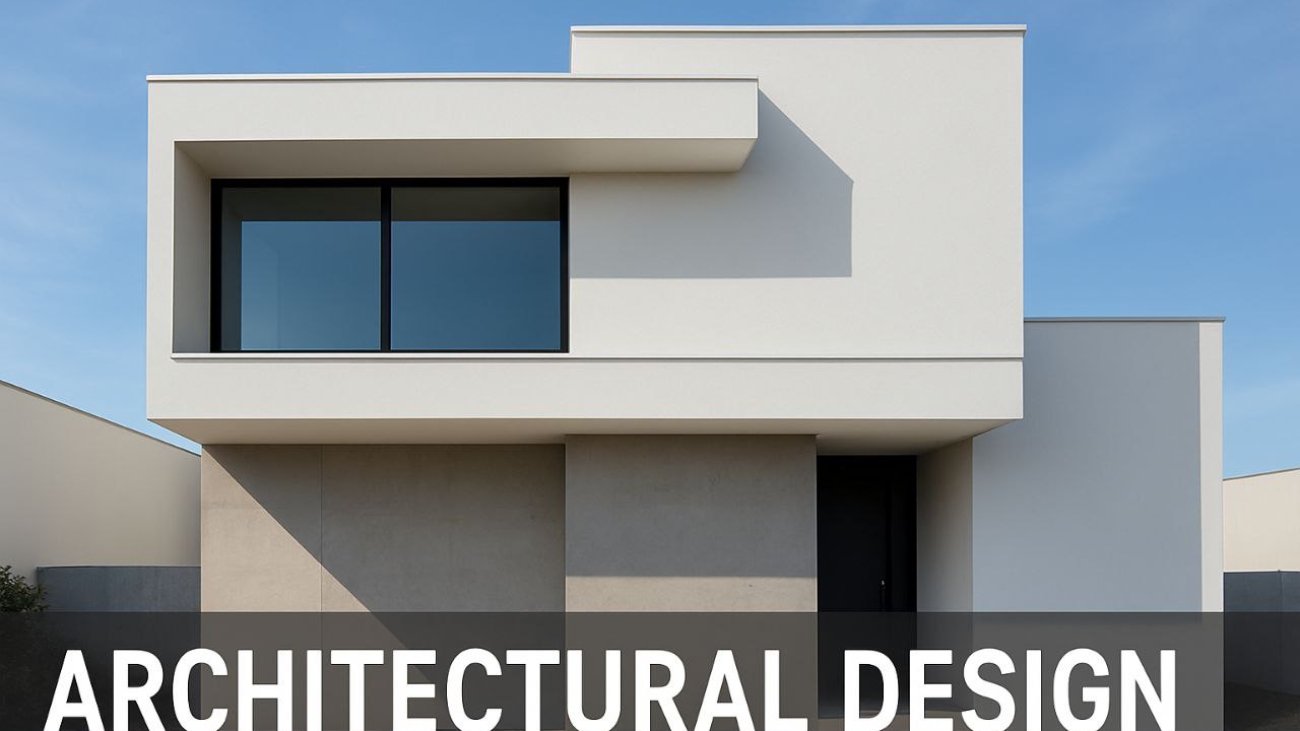
Modern architectural design of a minimalist contemporary building

Architectural Design

Architectural Design

Architectural Design : The Art and Science of Architectural Design

A practical , learn by doing guide to designing meaningful , sustainable spaces , actionable insights for clients , students and designers .

Topics : Architectural principles . Sustainability strategies . Ai & digital tools . Free software . Career pathways 

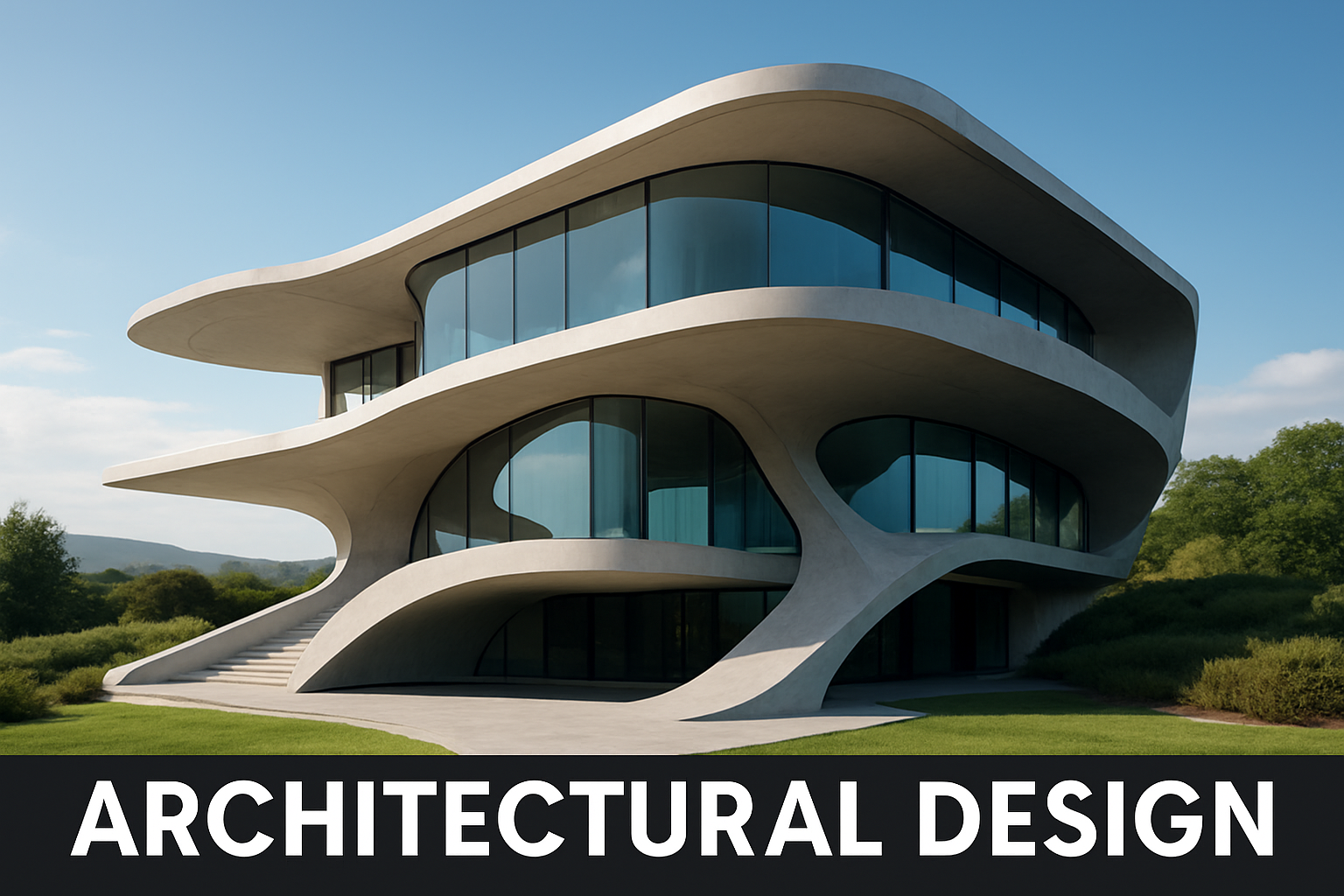
Futuristic modern villa with curved white concrete design and large glass windows, set in a natural landscape under a clear blue sky, with the text "Architectural Design" at the bottom.

⚪ The Art and Science of Architectural Design

  The Essence of Architectural Design

 Architectural design is one of the few disciplines where imagination and logic coexist in perfect balance. It’s a field that merges creativity with precision — where every line, curve, and material choice carries meaning. Architecture is not just about creating buildings; it’s about shaping experiences, telling stories, and enhancing the quality of life through thoughtful design.

1. Understanding the Essence of Architecture

Every structure begins with an idea — a response to a human need, a place, and a purpose. Good architecture starts by asking questions:
How will people interact with this space?
What emotions should it evoke?
How can it harmonize with its surroundings while remaining unique?

Answering these questions transforms the design process from drawing plans to crafting meaningful environments. An architect doesn’t simply design walls and roofs; they design how sunlight enters a room, how air flows through a space, and how people move, gather, and feel within it.

2. Functionality — The Core of Every Great Design

Functionality is the backbone of architectural design. A beautiful building that fails to serve its purpose is merely sculpture. A truly successful design is one that balances aesthetics with usability.

Architects must consider circulation, accessibility, natural lighting, and privacy from the earliest stages of design. For instance:

  • In homes, layouts should create comfort and intimacy while maximizing natural light.
  • In offices, open areas and collaborative zones encourage communication and productivity.
  • In public buildings, intuitive wayfinding and accessibility define how inclusive the space feels.

The lesson is simple: good design is invisible — it works so seamlessly that users don’t even notice its complexity.

3. Aesthetics — The Language of Emotion

While function gives a structure purpose, aesthetics give it soul. Architecture communicates through form, proportion, material, and texture. Each design decision contributes to how a space feels — warm or cold, intimate or monumental, inviting or intimidating.

Architects use visual rhythm, symmetry, contrast, and balance to evoke emotions. For example, clean minimal lines may create a sense of calm and clarity, while organic forms can bring softness and connection to nature.

Color and texture also play a critical role. Natural materials like wood, stone, and clay ground a design in warmth and authenticity, while glass and steel convey lightness and modernity. The best designs find harmony between these elements — creating spaces that are not only seen but felt.

4. Sustainability — Building for the Future

Modern architecture cannot exist without sustainability. Designing responsibly means creating buildings that respect the planet and endure through time.

Sustainable design isn’t limited to adding solar panels or green roofs. It’s about designing smarter — using local materials, maximizing daylight, reducing energy consumption, and planning for long-term adaptability.

Key sustainable strategies include:

  1. Passive solar design : orienting buildings to capture sunlight naturally and reduce energy use.
  2. Natural ventilation : designing airflow systems that minimize mechanical cooling needs.
  3. Material selection : choosing renewable, recyclable, or low-impact materials.
  4. Water efficiency : incorporating rainwater harvesting or greywater reuse systems.

Sustainability also includes social and cultural dimensions — creating spaces that enrich communities and celebrate local identity. A truly sustainable building nurtures both people and place.

5. Technology — Expanding Creative Possibilities

The digital age has transformed architecture. Tools like Building Information Modeling (BIM), 3D rendering, and virtual reality allow architects to visualize, simulate, and refine designs before construction even begins. These technologies bridge creativity and accuracy, helping designers experiment with form and structure while maintaining technical integrity.

For instance:

  1. BIM integrates every aspect of a building into one intelligent model, improving collaboration between engineers, architects, and builders.
  2. 3D rendering brings ideas to life, allowing clients to experience spaces before they’re built.
  3. Virtual reality (VR) provides immersive walk-throughs that improve spatial understanding and design decision-making.

Technology doesn’t replace creativity — it enhances it. It gives architects the freedom to imagine bolder concepts while ensuring those ideas can become practical realities.

6. Culture and Context — Designing with Meaning

Architecture always belongs to a place and a people. Great design respects history, geography, and culture while embracing innovation.

Contextual design considers local materials, traditions, and climate to create harmony between old and new. For example, incorporating traditional craftsmanship into modern structures can preserve cultural identity while meeting contemporary needs.

Understanding context also means listening — engaging with the community, observing how people live, and responding to the rhythms of everyday life. This sensitivity turns architecture into a living part of its environment rather than an isolated object.

7. The Architect’s Mindset — Creativity Meets Responsibility

Architectural design is both an art and a moral act. Every design choice affects people and the planet. Therefore, architects must balance creativity with responsibility.

To think like an architect means to:
  1. Observe deeply before drawing.
  2. Question assumptions and seek better solutions.
  3. Understand that beauty and ethics can coexist.
  4. Believe that architecture can improve lives, not just landscapes.

The best architecture doesn’t shout; it speaks quietly and meaningfully through its integrity, clarity, and purpose.


Shaping Tomorrow’s Spaces

Architectural design is a continuous conversation between imagination and reality. It demands curiosity, empathy, and technical mastery. From concept to construction, each step defines how humans experience their built environment.

In the end, architecture is not about buildings — it’s about creating connections: between people and spaces, tradition and innovation, form and function, nature and technology.

As we design for the future, our greatest responsibility is to build with awareness — crafting environments that are not only visually inspiring but also sustainable, inclusive, and timeless .

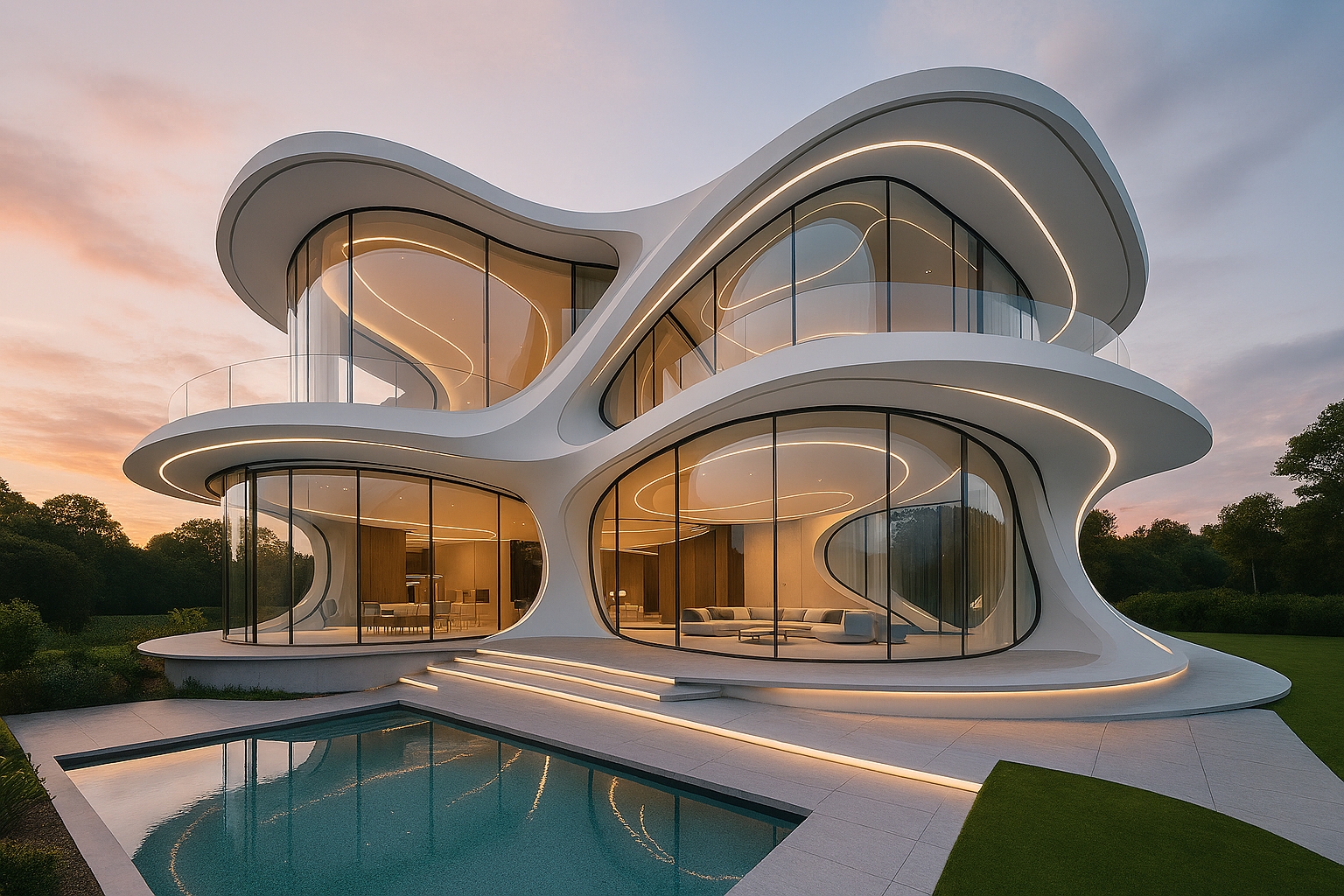
White Modern Villa with hidden LED Lighting


⚪The Future of Architectural Design: Technology, AI, and Creative Empowerment

The world of architecture is evolving faster than ever before. The tools, technologies, and mindsets that shape design today are redefining what is possible in the built environment. While the foundations of architecture — creativity, functionality, and human-centered thinking — remain timeless, digital innovation and artificial intelligence are transforming how ideas become reality.

1. The Rise of AI in Architecture

Artificial Intelligence (AI) is no longer a futuristic concept — it’s a present-day collaborator in the design process.
AI allows architects to explore design possibilities that would take months or even years to test manually. By analyzing parameters like site orientation, sunlight exposure, energy consumption, and material cost, AI can generate hundreds of optimized design options within minutes.

This approach, called generative design, works by setting specific goals — for example, maximizing natural light, minimizing energy use, or optimizing structural performance. The AI then explores infinite variations until it finds the most efficient balance.

The result ? Designs that are not only creative but also scientifically optimized.

But AI’s role goes beyond the design phase. It helps architects:

  1. Predict building performance before construction.
  2. Analyze sustainability impacts using real-world data.
  3. Improve workflow efficiency and reduce design errors.
  4. Personalize user experiences by learning from behavioral patterns.

Imagine designing a house that learns how its occupants live — adjusting temperature, light, and airflow automatically for comfort and efficiency. That’s the future AI is enabling: architecture that adapts to people, rather than people adapting to buildings.

2. The Power of Digital Tools in Design

Technology has become an inseparable partner in architectural creativity. Digital tools not only enhance visualization but also democratize design — making professional-quality results accessible to students, freelancers, and small studios worldwide.

Here are some of the most valuable free tools architects and designers can use today:

  1. SketchUp Free – Perfect for beginners and quick 3D concept modeling. Its intuitive interface lets users sketch, visualize, and share ideas easily.
  2. FreeCAD – An open-source parametric modeling tool ideal for precision work and technical drawings.
  3. Blender – A powerful platform for creating high-quality renders, animations, and VR walkthroughs.
  4. Sweet Home 3D – Simple yet effective for interior layouts and furniture planning.
  5. LibreCAD – A reliable 2D drafting program for creating detailed floor plans and technical blueprints.

What’s special about these tools is that they encourage experimentation without limitation. For students and early-career architects, learning to use multiple programs develops flexibility and problem-solving skills — essential qualities in modern practice.

💡 Pro Tip: Focus on mastering design thinking before software. The best architects use technology as an extension of creativity, not as a replacement for it.

3. Learning Architecture  From Concept to Career

Architecture is one of the most comprehensive fields of study — blending art, engineering, social science, and environmental awareness. A Bachelor of Architectural Design (or its equivalent) typically provides this multidisciplinary foundation.

Students begin by exploring:

  1. Design fundamentals – understanding form, proportion, and spatial composition.
  2. Architectural history and theory – learning how culture, politics, and technology have shaped buildings across time.
  3. Digital tools and visualization – mastering CAD, BIM, and 3D rendering.
  4. Construction technology and materials – understanding how ideas become structures.
  5. Sustainable and contextual design – integrating ecological responsibility into every project.

More importantly, architecture education teaches critical thinking and creative problem-solving — the ability to turn constraints into opportunities. It’s a lifelong learning journey that continues beyond graduation, as architects must constantly adapt to new challenges, codes, and technologies.

“Architecture is the slowest of the arts but the most enduring of innovations.”

The real reward of studying architecture is not just the ability to design, but to see the world differently — as a system of relationships between people, nature, and space.

4. The Professional Journey — Skills for the Modern Architect

To thrive in today’s architectural industry, designers need a diverse set of skills that go far beyond traditional drafting. These include:

  1. Communication : Presenting ideas visually and verbally with clarity.
  2. Collaboration : Working effectively with engineers, contractors, and clients.
  3. Research and analysis : Understanding social behavior, sustainability data, and market trends.
  4. Digital fluency : Using BIM, parametric design, and visualization tools.
  5. Adaptability : Keeping up with new technologies like AI, AR, and smart materials.

Successful architects are strategic thinkers as much as they are designers. They manage time, budget, and innovation simultaneously — ensuring that creativity always serves function and purpose.

5. The Human Side of Technology

As technology advances, the greatest challenge is maintaining the human touch in design. AI can process data, but it can’t feel emotion or cultural nuance — at least, not yet. That’s where the architect’s sensitivity comes in.

Architecture will always be about empathy. The best designs anticipate human behavior, celebrate local identity, and provide comfort, beauty, and belonging. Technology should enhance that empathy, not replace it.

So, while algorithms may generate forms, it’s still the human architect who decides what feels right.

6. Designing the Future

Architectural design stands at an extraordinary intersection — between creativity and computation, emotion and logic, human intuition and digital intelligence. The future belongs to those who can navigate both worlds seamlessly.

By embracing technology responsibly and continuing to learn, architects can build smarter, greener, and more meaningful environments. The next generation of designers won’t just draw plans; they’ll design systems — adaptive, data-driven, and human-centered ecosystems.

The promise of architecture has always been to improve the world around us. Now, with the tools and knowledge available, that promise is closer than ever.

 A New Era of Possibility

Architectural design is evolving into something far greater than form-making — it’s becoming a platform for innovation, education, and sustainability. Whether you are a student sketching your first idea, a designer experimenting with AI, or a client dreaming of a future home, the principles remain the same:
think deeply, design responsibly, and build beautifully.

In this new era, the role of the architect is to bridge worlds — between art and science, tradition and technology, vision and reality.
And as architecture continues to evolve, one truth will always remain:
great design begins with a simple question — How can we make life better through space ؟