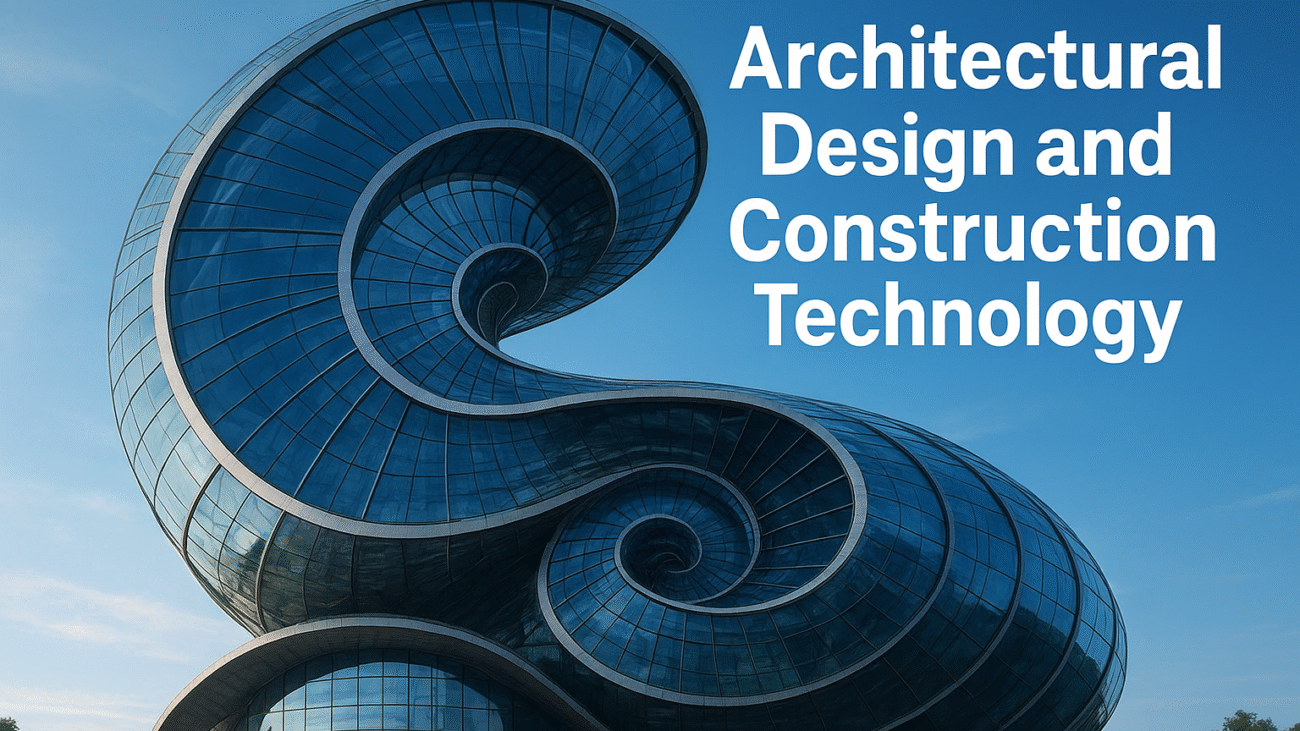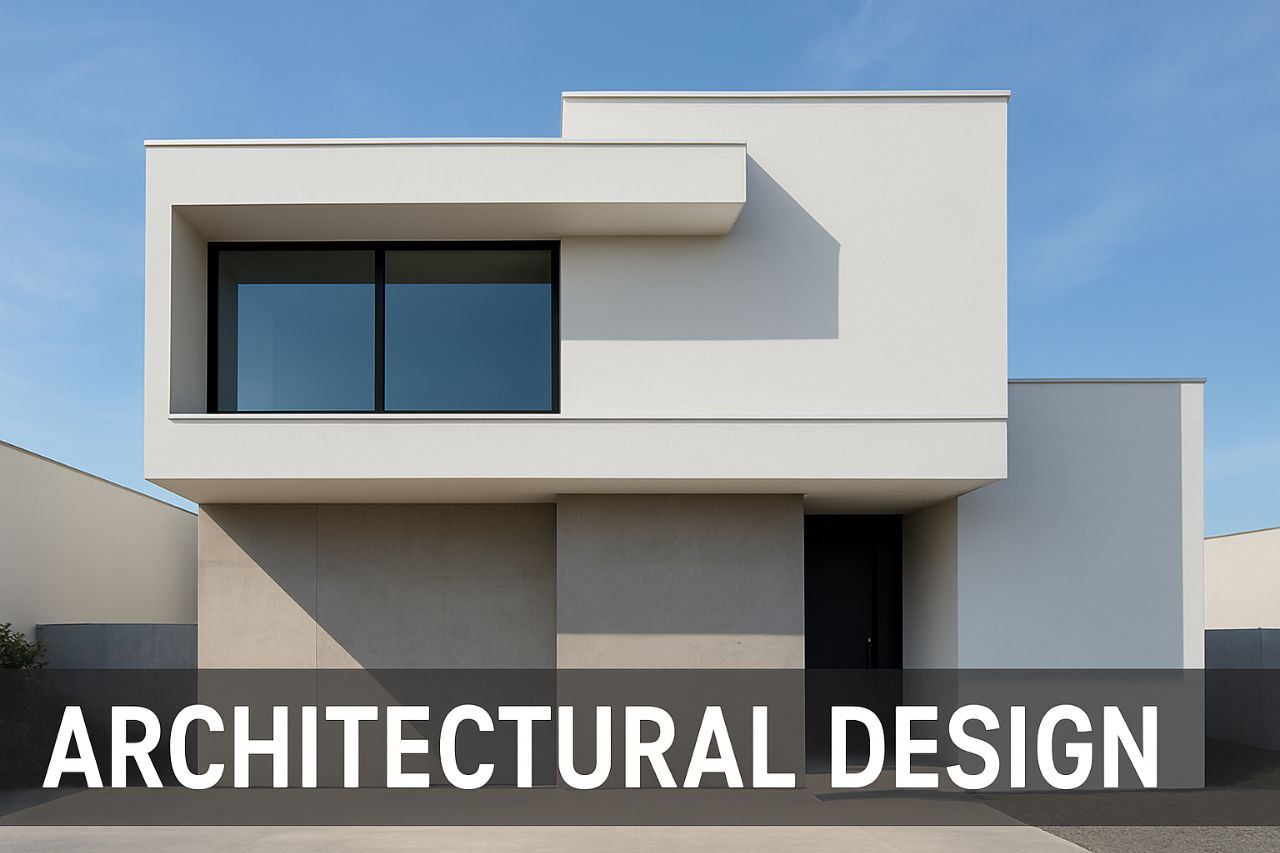
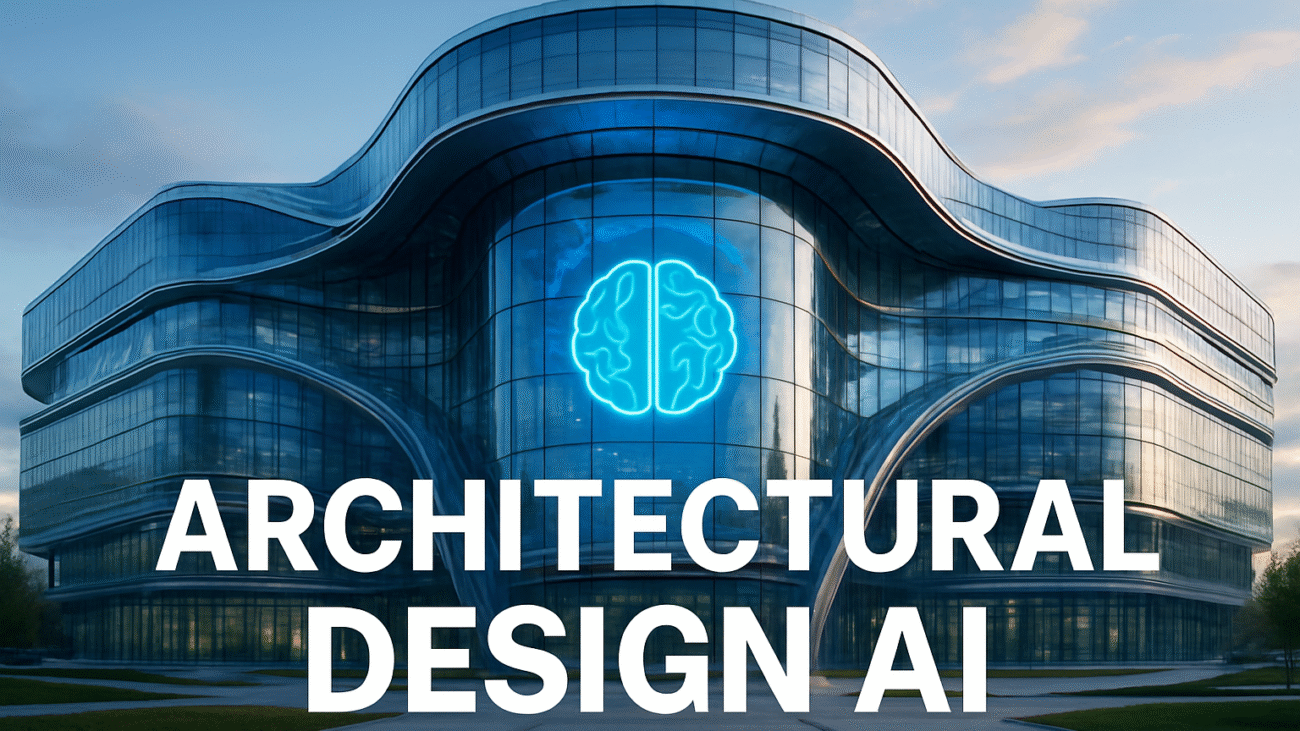
A futuristic glass building symbolizing the world’s largest Artificial Intelligence university, with the title “Architectural Design AI” displayed beautifully on the image.

Architectural Design AI
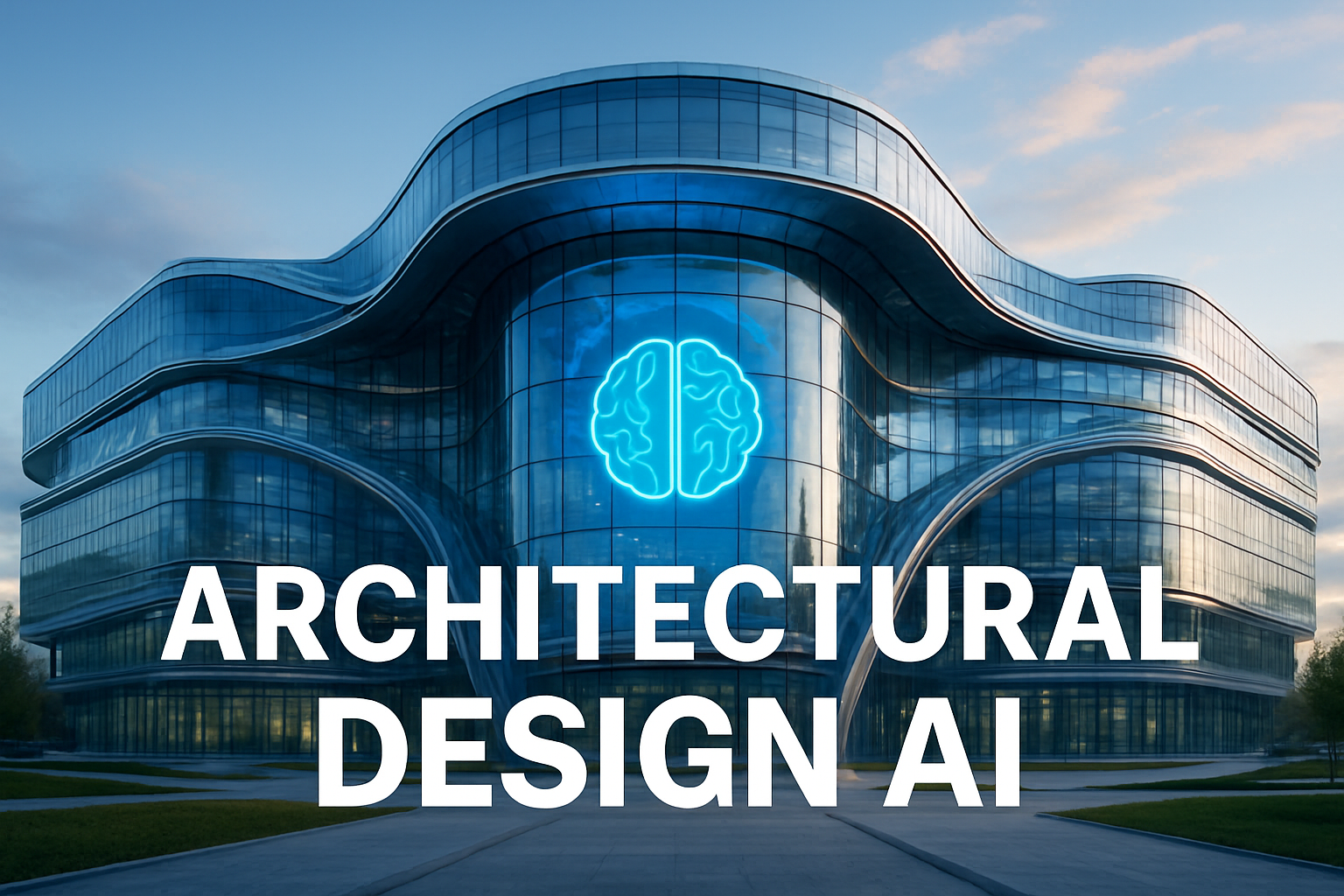
Architectural Design AI

A futuristic glass building symbolizing the world’s largest Artificial Intelligence university, with the title “Architectural Design AI” displayed beautifully on the image.

Architectural Design AI : Revolutionizing Architecture for the Future

Topics : AI in architecture, generative design, AI architecture tools, sustainable architecture

Introduction to Architectural Design AI

Architectural Design AI is transforming the way architects and designers conceptualize, create, and manage architectural projects. This integration of artificial intelligence (AI) into the design process is more than just a technological advancement; it’s a fundamental shift in how buildings are imagined, designed, and constructed. AI in architecture provides powerful tools for automating design tasks, optimizing building performance, and creating more sustainable, innovative spaces. By harnessing the power of machine learning and data-driven algorithms, AI is poised to reshape the future of architectural design.


Generative Design: AI-Powered Innovation

One of the most impactful aspects of Architectural Design AI is generative design. Through AI algorithms, architects can explore a vast number of design alternatives based on specific input parameters, such as spatial requirements, environmental constraints, and aesthetic preferences. This technology doesn’t just generate random options; it optimizes designs for function, sustainability, and form, allowing architects to uncover creative solutions that traditional methods might overlook.

By analyzing large datasets, such as material performance, climate data, and site conditions, generative design algorithms can suggest highly efficient and sustainable design options. This allows for a deeper exploration of possibilities, ultimately enhancing creativity and offering unique solutions that align with both client needs and environmental considerations.


Optimizing Accuracy and Efficiency with AI

Another significant contribution of AI to architecture is its ability to streamline the drafting and modeling phases of design. AI-powered software can automate time-consuming tasks like drafting complex geometries or detecting structural issues in digital models. With Building Information Modeling (BIM), AI can also facilitate real-time analysis, enabling architects to make better decisions and avoid costly errors during the construction process.

These technologies increase accuracy and speed, reducing human error while enhancing overall project efficiency. By automating repetitive tasks, architects and designers are free to focus on the creative aspects of the project, ultimately reducing the timeline and costs associated with design iterations.


Sustainability: AI for Environmentally Responsible Design

Sustainability is one of the key focuses of modern architectural practice, and AI is helping architects design with the planet in mind. Through AI-powered simulations and predictive analytics, architects can assess energy consumption, daylight distribution, and thermal performance early in the design process. By simulating various environmental conditions, AI helps optimize designs for energy efficiency, passive cooling, and overall building performance.

AI also plays a crucial role in selecting sustainable materials by analyzing lifecycle data. With this technology, architects can make informed decisions about material choices, ensuring that every aspect of the design is environmentally responsible. This not only reduces a building’s carbon footprint but also ensures compliance with green building certifications like LEED and BREEAM.


AI in Urban Planning and Large-Scale Projects

Beyond individual buildings, AI is also transforming the way architects approach urban planning and large-scale developments. By analyzing demographic trends, traffic patterns, and infrastructure data, AI can help create smarter, more livable cities. Urban planners can use AI to simulate various development scenarios, assess their impact on the community, and make data-driven decisions that promote urban resilience and improve quality of life.

AI tools in urban design also enhance the ability to forecast future needs. By incorporating historical data and predictive models, architects can design spaces that adapt to changing conditions, such as population growth, environmental changes, and evolving urban needs.


AI and Immersive Visualization Tools

The integration of AI with virtual reality (VR) and augmented reality (AR) technologies is providing architects and clients with a more immersive design experience. AI-driven visualization tools create hyper-realistic renderings and 3D walkthroughs, allowing stakeholders to experience proposed designs before construction begins. These tools enhance collaboration and communication, ensuring that the design aligns with client expectations and making the decision-making process more efficient.


Challenges and Considerations in AI Adoption

Despite the numerous advantages, the adoption of Architectural Design AI also presents challenges. There are ethical concerns about data privacy and the potential loss of the human touch in creative processes. Additionally, the technology requires specialized skills, and as AI continues to advance, architects must be prepared to integrate AI tools responsibly and effectively into their practice.

Training and education will play an essential role in equipping architects with the necessary skills to work with AI technologies. It’s important to ensure that AI serves as a tool to enhance human creativity, not replace it, and that the integration of AI in architecture leads to better outcomes for both the built environment and society.


The Future of Architectural Design with AI

As Architectural Design AI continues to evolve, its role in the design process will only become more integral. From generative design to sustainability and performance optimization, AI is reshaping the boundaries of what is possible in architecture. The integration of AI will enable architects to design smarter, more sustainable, and more responsive built environments that better meet the needs of their clients and communities.

By embracing AI, architects can push the limits of creativity, enhance building performance, and create environmentally responsible designs that stand the test of time. As the technology evolves, the future of architectural design will be one that blends human creativity with the power of AI, unlocking new possibilities for the next generation of architects.


 Embracing AI for the Future of Architecture

Architectural Design AI is revolutionizing the architecture profession by merging creativity, technology, and sustainability. Through generative design, AI-powered tools, and real-time performance analysis, AI enables architects to create buildings that are not only functional and aesthetically pleasing but also environmentally responsible and future-ready. The continued integration of AI in architecture promises to reshape how we design and construct buildings, making the industry more efficient, creative, and sustainable than ever before.

By adopting AI, architects can stay at the forefront of innovation, creating smarter, more sustainable designs that address the challenges of tomorrow’s world. The future of architecture is here, and it’s powered by AI.
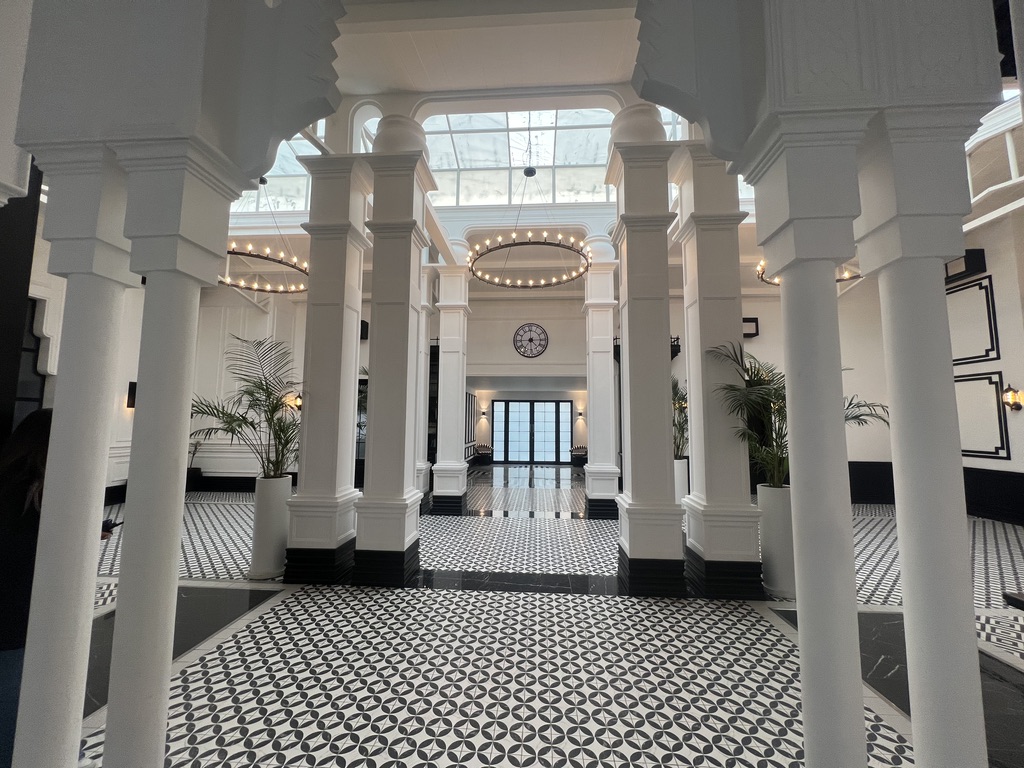
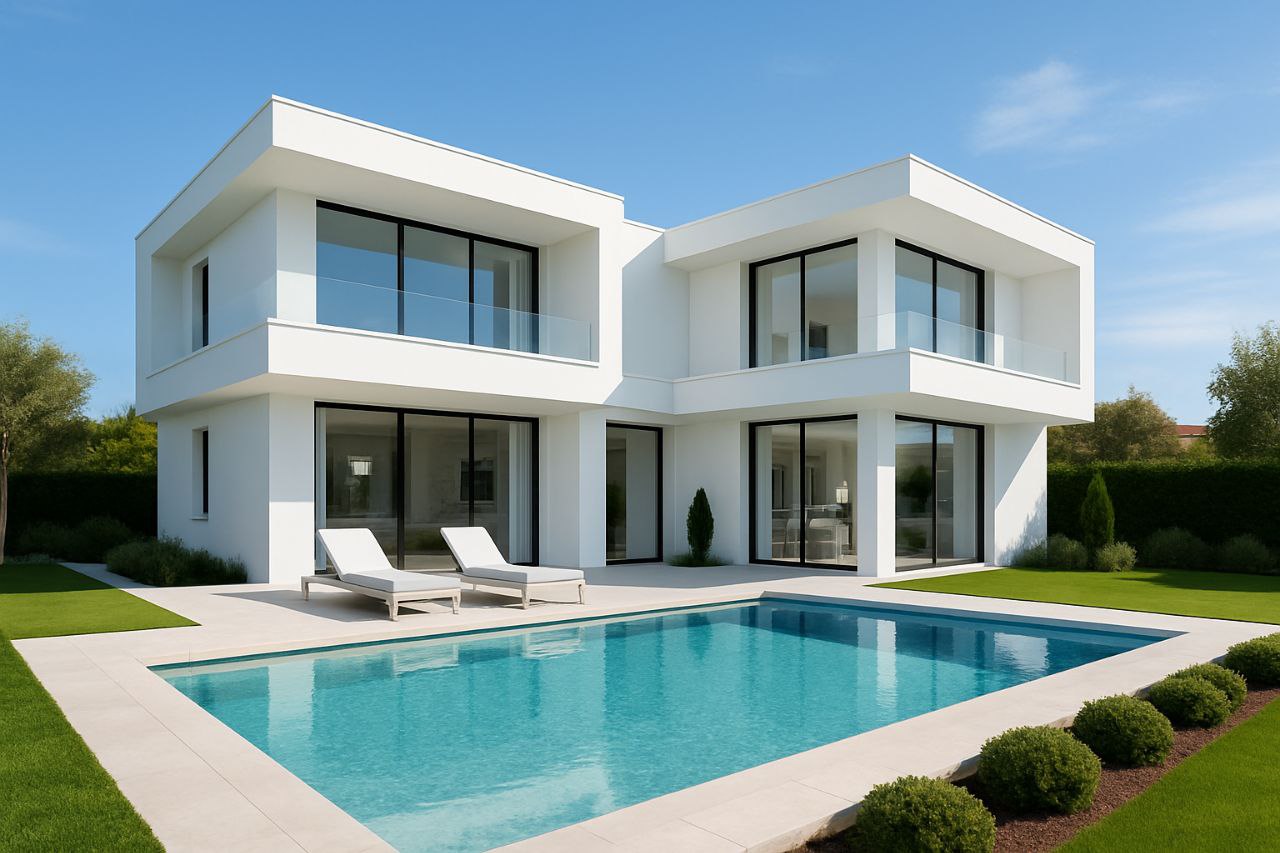
Grand Wedding Hall

Grand Wedding Hall

View Project
How to Plan a Successful Villa Renovation Without Stress

How to Plan a Successful Villa Renovation Without Stress

Read Article
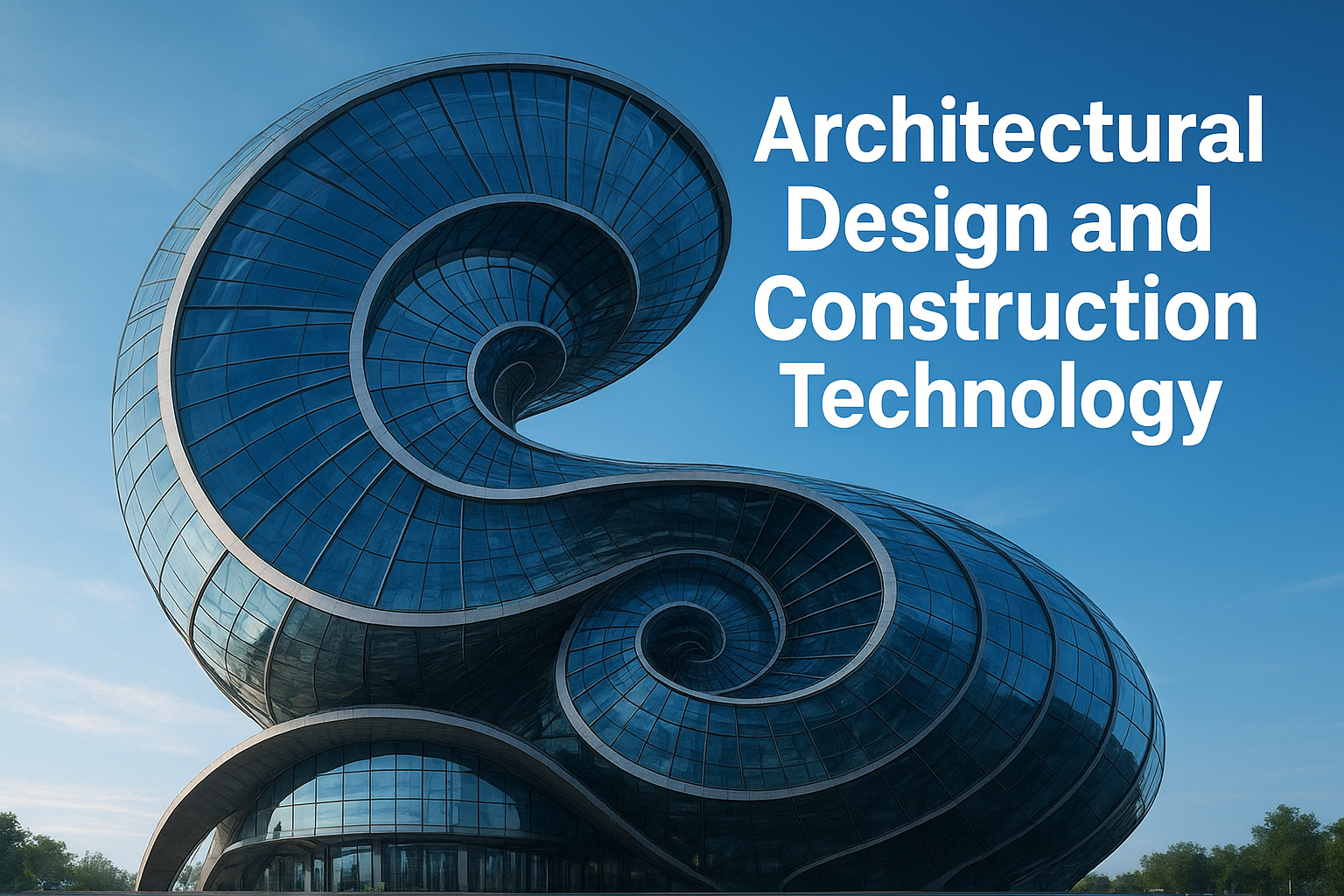
A futuristic glass building inspired by the Fibonacci sequence, illustrating the harmony between architectural design and construction technology through advanced geometry and innovative materials.

Architectural Design and Construction Technology

Architectural Design and Construction Technology

A futuristic glass building inspired by the Fibonacci sequence, illustrating the harmony between architectural design and construction technology through advanced geometry and innovative materials.

Architectural Design and Construction Technology : Shaping the Future of the Built Environment

Topics : Architectural Design, Construction Technology, Sustainability

The Role of Architectural Design

In today’s rapidly evolving world, architectural design and construction technology stand as two interdependent forces shaping the way we envision, build, and experience the built environment. Together, they merge creativity with precision, innovation with practicality, and aesthetics with sustainability. As global demand grows for smarter, greener, and more efficient structures, the synergy between design and technology continues to redefine the boundaries of modern architecture.

Architectural design is the creative and conceptual foundation of every building. It transforms abstract ideas into tangible forms that serve both aesthetic and functional purposes. Modern architects balance beauty, functionality, and sustainability while addressing social, cultural, and environmental contexts.

With the aid of advanced tools such as AutoCAD, Revit, and Building Information Modeling (BIM), designers can visualize every detail before construction begins. These technologies allow architects to explore multiple design options, analyze performance, and refine structures with unprecedented accuracy.

Architectural design today is not limited to form and structure—it also reflects a deep understanding of human behavior, urban context, and environmental responsibility. Each line, curve, and material choice contributes to creating spaces that inspire, endure, and perform efficiently.


The Power of Construction Technology

While design imagines the future, construction technology brings it to life. It encompasses the tools, systems, and methods used to execute architectural visions with efficiency, safety, and precision.

Technological innovation has revolutionized how buildings are constructed. From modular and prefabricated construction to 3D printing, today’s construction processes are faster, more cost-effective, and more sustainable than ever. Smart construction systems integrate IoT sensors, automated controls, and AI-powered monitoring to optimize energy consumption, enhance safety, and streamline maintenance.

The evolution of materials also plays a key role. The use of cross-laminated timber, recycled steel, and low-emissivity glass supports eco-friendly development while maintaining structural strength. These innovations collectively reduce waste, improve energy efficiency, and align construction practices with global sustainability goals.


Sustainability: The Core of Modern Practice

Sustainability has evolved from a trend into an essential standard. Architectural design and construction technology now prioritize minimizing environmental impact, improving building performance, and promoting occupant well-being.

Green certifications like LEED, BREEAM, and WELL Building Standard guide the adoption of sustainable methods and materials. Meanwhile, energy modeling software helps architects simulate and optimize factors such as lighting, insulation, and ventilation before a single brick is laid.

Through sustainable innovation, professionals in both fields are creating buildings that not only consume less energy but also give back to the environment — through renewable systems, green roofs, and smart resource management.


Digital Transformation in Architecture and Construction

Digital transformation has redefined both architecture and construction. BIM, parametric modeling, CNC fabrication, and robotic construction have made it possible to execute complex, futuristic designs that were once deemed impossible.

Virtual and Augmented Reality (VR/AR) now allow architects, engineers, and clients to visualize projects in immersive environments, improving collaboration and decision-making. Drone surveying enhances precision and safety on construction sites, while AI-driven data analytics predicts maintenance needs and improves long-term performance.

These technologies are not replacing creativity—they’re enhancing it. They bridge the gap between imagination and implementation, enabling architects and builders to design smarter, faster, and more sustainably.


The Role of Landscape Architecture and Construction Technology

Beyond buildings, landscape architectural design and construction technology shape the outdoor environments that connect people to nature. This multidisciplinary field blends ecology, engineering, and urban planning to create resilient, functional, and beautiful landscapes.

Technological tools like GIS mapping, 3D modeling, and BIM coordination empower landscape architects to plan with environmental precision. Green infrastructure elements — such as rain gardens, permeable pavements, and native plant systems — help manage stormwater, reduce heat, and support biodiversity.

As with architectural design, sustainability remains central. Advanced construction methods, eco-friendly materials, and smart irrigation systems combine to create outdoor spaces that are both enduring and environmentally responsible.


Career Opportunities in Architectural Design and Construction Technology

The convergence of architecture and construction technology has created a diverse range of career paths. Professionals can specialize as architects, BIM managers, construction technologists, digital fabrication specialists, or sustainability consultants.

As smart cities and green infrastructure projects expand worldwide, demand for skilled experts continues to rise. These roles require a blend of creativity, technical expertise, and environmental awareness — qualities that drive innovation across the global built environment.


Architectural Design and Construction Technology Salaries

Salaries in these industries reflect the technical skill and creative responsibility involved.

  1. Architectural Designers : typically earn between $60,000–$100,000 annually in North America, depending on experience and specialization.
  2. Construction Technologists and Managers : often earn $70,000–$120,000, with senior professionals exceeding that range in large-scale projects.

Professionals proficient in BIM, sustainable design, or digital construction tools are especially sought-after and often command higher salaries.

Geographic location, certifications (like LEED, Autodesk, or PMP), and advanced degrees further boost earning potential in this evolving field.


Future Trends: Smart, Sustainable, and Human-Centered

The future of architectural design and construction technology lies in smart integration — merging data, automation, and sustainability into one seamless ecosystem. The rise of AI, machine learning, and smart materials will enable buildings to self-monitor and adapt to environmental conditions.

At the same time, human-centered design will ensure that technology serves people — enhancing comfort, health, and quality of life. As these disciplines continue to evolve together, the line between design and technology will blur, leading to a more connected and sustainable world.


Architectural design and construction technology together represent the perfect balance of art, science, and innovation. They shape not only buildings but also the way we live and interact with our surroundings.

By embracing digital transformation, sustainability, and interdisciplinary collaboration, professionals in these fields are paving the way for a smarter, greener, and more resilient future — one structure at a time.

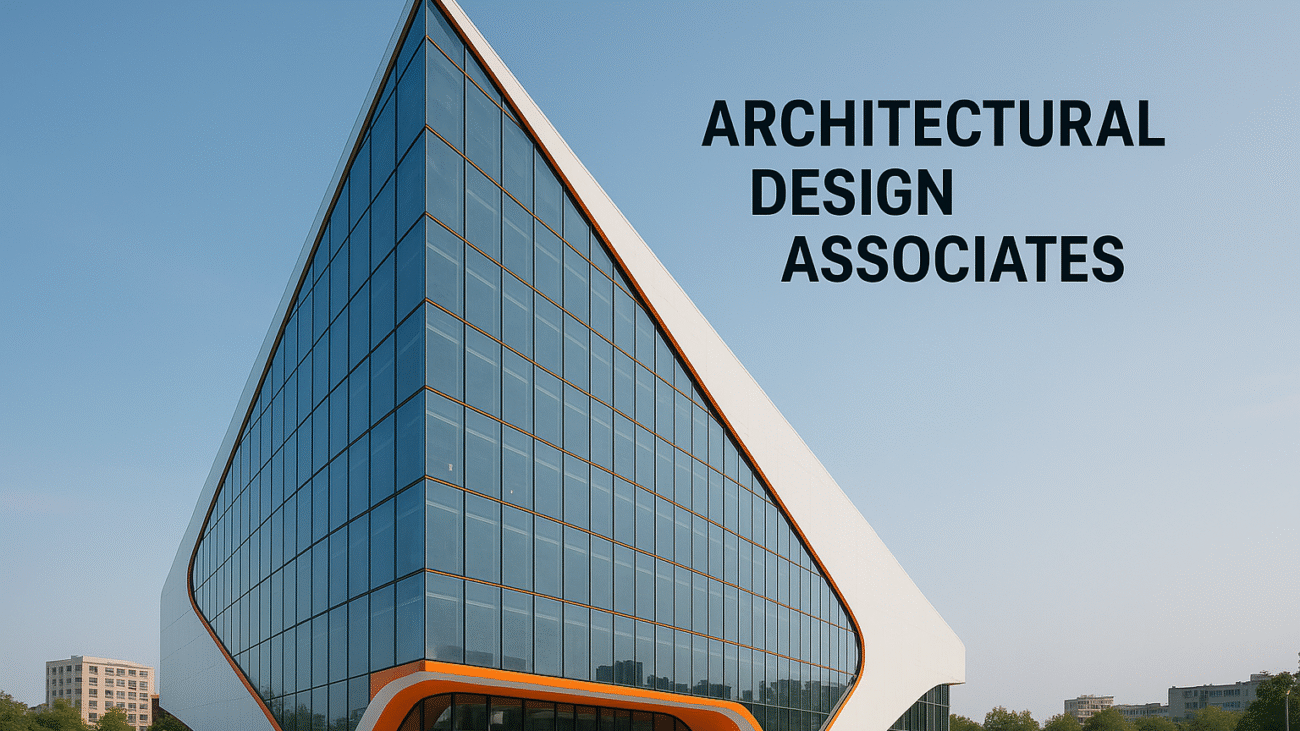
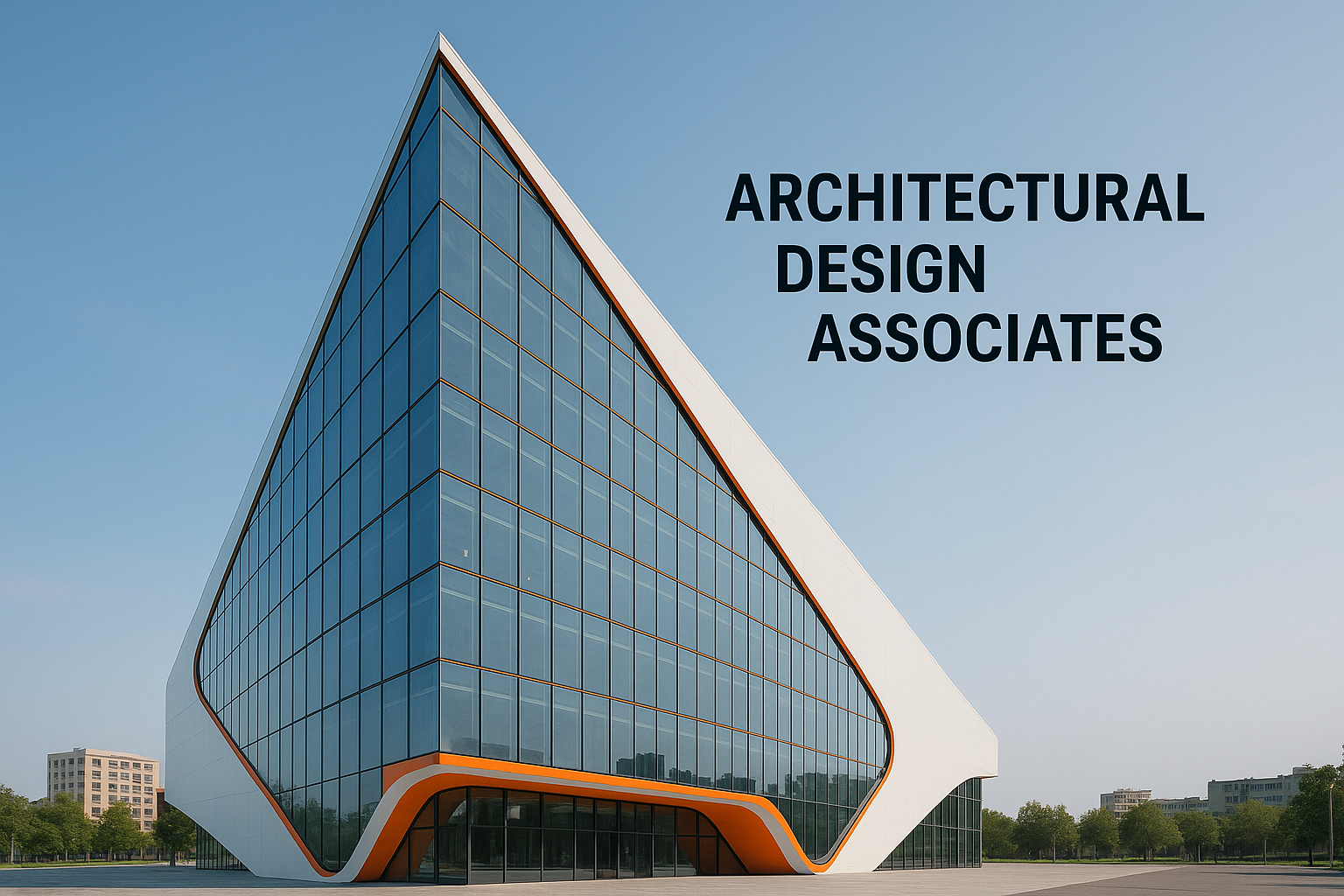
A futuristic triangular glass office building with white and orange details designed by Architectural Design Associates

Architectural Design Associates

Architectural Design Associates

A futuristic triangular glass office building with white and orange details designed by Architectural Design Associates

Architectural Design Associates : Redefining Innovation and Sustainability in Modern Architecture

Topics : Innovation, Sustainability, Client-Centric Design

About Architectural Design Associates (ADA)

Architectural Design Associates (ADA) stands as a leading architectural firm committed to transforming visionary ideas into functional and inspiring spaces. With decades of collective expertise and a passion for innovation, ADA has built a reputation across the United States and Canada as a trusted name in contemporary architecture and sustainable design.

At the heart of ADA’s philosophy lies a simple yet powerful belief — that great architecture is not only about form and beauty but also about purpose, emotion, and environmental responsibility. Every project reflects a delicate balance between aesthetic appeal, functionality, and long-term sustainability.


Commitment to Sustainability and Green Design

Sustainability forms the cornerstone of ADA’s design philosophy. The firm consistently integrates eco-friendly materials, renewable energy solutions, and energy-efficient systems into its projects. By prioritizing green architecture, ADA minimizes environmental impact while enhancing the comfort and efficiency of the spaces it creates.

Leveraging cutting-edge technologies such as Building Information Modeling (BIM) and parametric design tools, ADA ensures precision and adaptability throughout the design and construction process. The result — buildings that are as responsible as they are remarkable.


A Multidisciplinary Team of Experts

ADA’s success stems from its collaborative approach. The firm brings together a talented team of architects, interior designers, landscape architects, and project managers who work in harmony to deliver holistic design solutions. This multidisciplinary synergy enables ADA to view each project from multiple perspectives — ensuring creativity, accuracy, and alignment with the client’s vision.

From conceptualization to final construction, ADA’s integrated process guarantees that every detail reflects quality, functionality, and the client’s aspirations.


Diverse Portfolio Across Multiple Sectors

Architectural Design Associates boasts an extensive and diverse portfolio, spanning residential, commercial, institutional, and hospitality sectors across North America.


Residential Design:


ADA crafts bespoke living spaces that reflect the lifestyle, personality, and values of their inhabitants. Each home is designed with comfort, innovation, and sustainability in mind.


Commercial Architecture:


The firm creates efficient, inspiring workspaces that elevate productivity, enhance brand identity, and foster human connection.


Institutional & Educational Projects:


ADA’s institutional designs focus on accessibility, safety, and the user experience — crafting environments that support learning, collaboration, and community engagement.


Hospitality & Public Spaces:


The firm’s hospitality projects blend warmth and sophistication, delivering memorable experiences through design that connects people and place.


Client-Centric Philosophy

ADA’s client relationships form the foundation of every successful project. The firm’s client-centric approach emphasizes open communication, transparency, and collaboration at every stage. By deeply understanding the client’s needs, goals, and challenges, ADA creates tailor-made solutions that exceed expectations.

This collaborative partnership not only builds trust but also ensures each project delivers exceptional results — on time and within budget.


Innovation and Technology at the Core

In an ever-evolving industry, ADA continues to push the boundaries of innovation. The firm embraces digital design technologies, 3D visualization, and virtual reality walkthroughs to bring ideas to life and empower clients to visualize their projects before construction begins.

Through the seamless integration of technology and creativity, ADA achieves architectural excellence that aligns with modern trends and future demands.


Contextual and Cultural Sensitivity

Whether designing a sleek urban office tower in Toronto or a sustainable community center in Nebraska, ADA respects the cultural, environmental, and historical context of every project. This sensitivity ensures that each structure not only meets the needs of today but also enhances the identity and heritage of its surroundings.

ADA’s designs are contemporary yet grounded — innovative yet timeless.


Architectural Excellence in the U.S. and Canada

Operating across North America, ADA has earned recognition for its ability to deliver exceptional results that combine innovation, sustainability, and functionality. From the bustling urban cores of New York and Chicago to the scenic landscapes of British Columbia, ADA’s architectural footprint continues to expand.

Each project stands as a testament to ADA’s dedication to design excellence and its unwavering commitment to shaping environments that inspire and endure.


 Shaping the Future of Architecture

Architectural Design Associates represents the perfect fusion of art, technology, and environmental responsibility. Their visionary approach continues to redefine modern architecture through designs that are bold, sustainable, and human-centered.

As ADA moves forward, it remains steadfast in its mission: to create architectural landmarks that elevate lives, respect nature, and stand the test of time — across the U.S., Canada, and beyond.

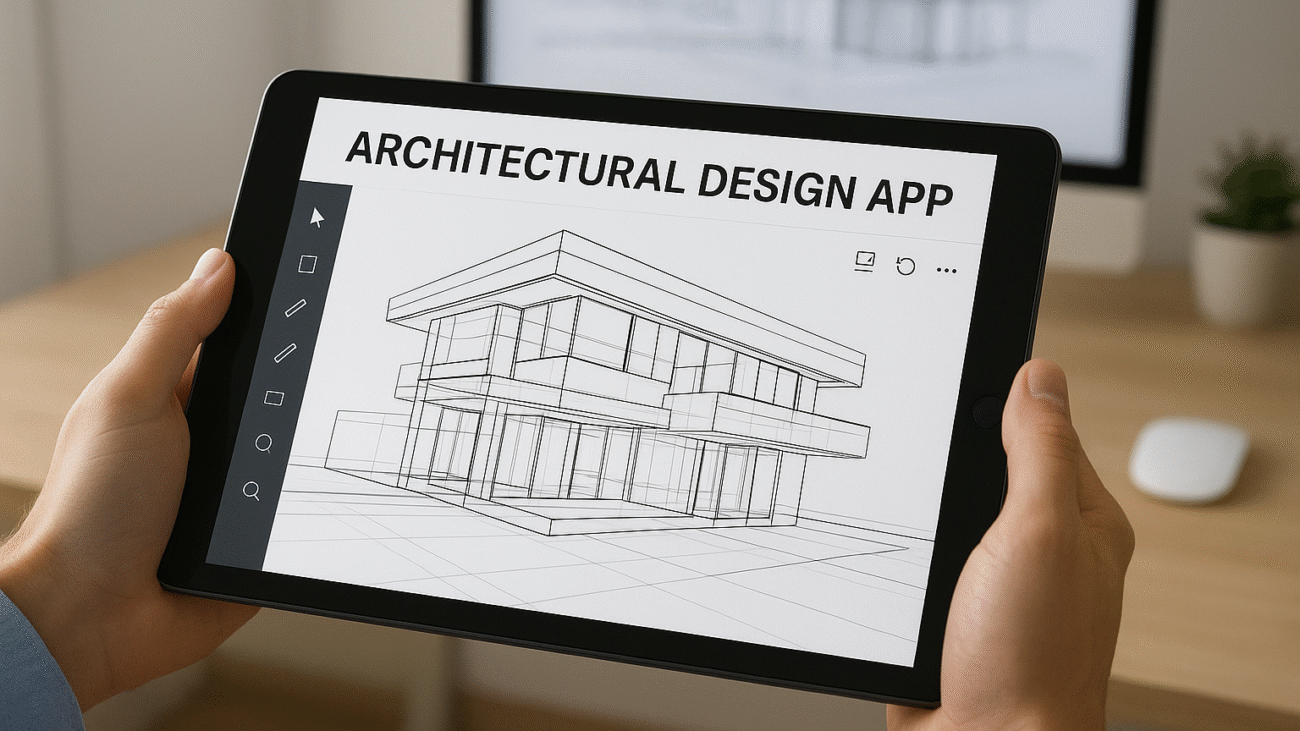
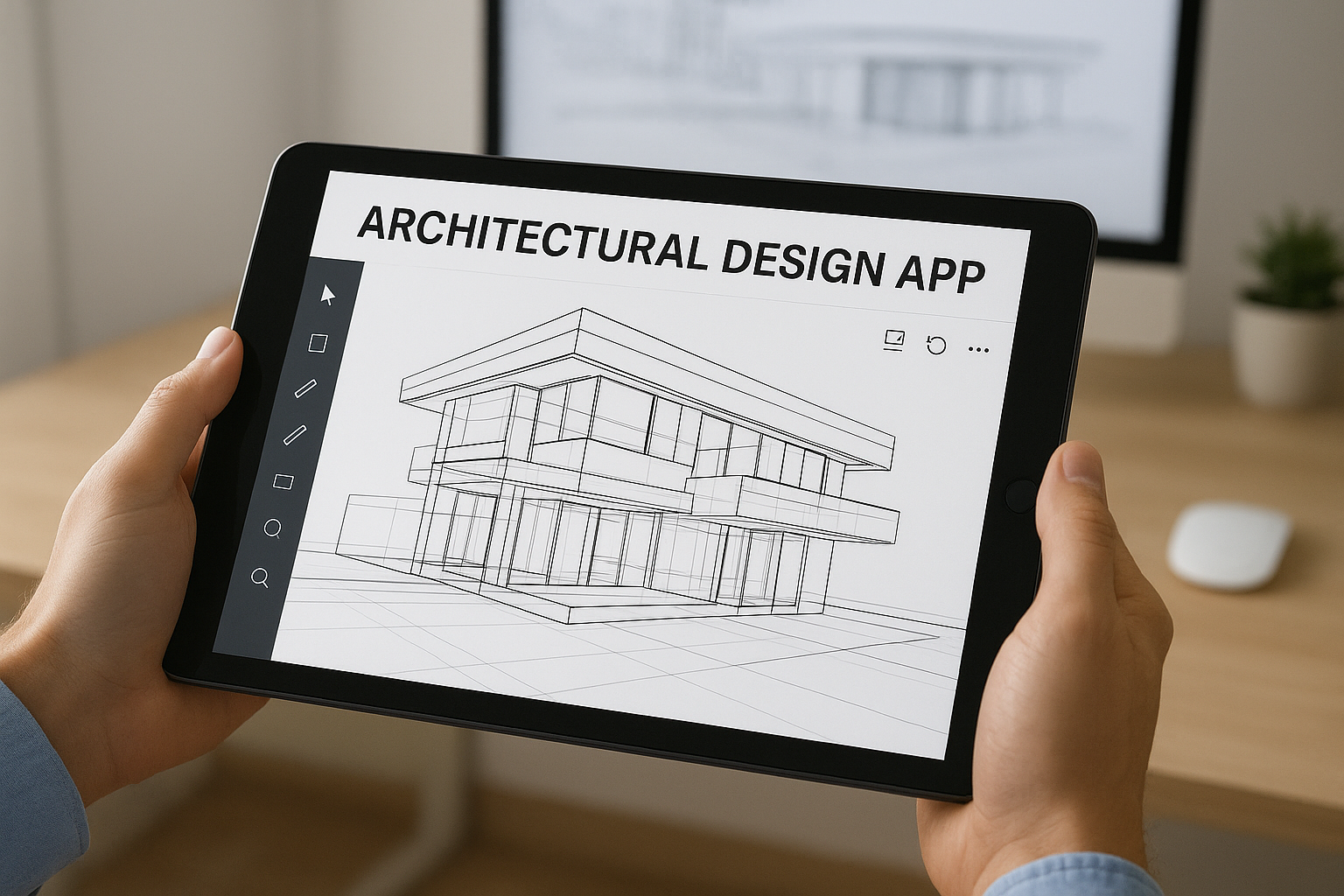
A person holding a tablet displaying a 3D architectural model in an architectural design app, with a computer and workspace in the background

Architectural Design App

Architectural Design Apps

A person holding a tablet displaying a 3D architectural model in an architectural design app, with a computer and workspace in the background

Architectural Design Apps: Transforming the Future of Architecture

Topics : Sustainability, Accessibility, and Future of Design Apps , 3D Modeling, Visualization, and Immersive Technologies

Architectural Design Apps : Transforming the Future of Architecture Through Innovation and Collaboration

Architectural design apps have fundamentally transformed the way architects, designers, and students conceptualize and realize built environments. These digital tools have become indispensable, offering a combination of efficiency, creativity, and precision that redefines traditional workflows. From early conceptual sketches to advanced construction documentation, architectural design apps integrate every phase of the design journey into one cohesive digital ecosystem.

Innovation and Flexibility in Modern Design Tools

One of the greatest strengths of architectural design apps lies in their ability to facilitate rapid experimentation and iteration. Traditional pen-and-paper methods often limit flexibility, but digital tools allow users to instantly modify layouts, adjust materials, and explore countless spatial configurations.

Through features like parametric modeling and generative design, architects can now create complex geometries that respond dynamically to parameters such as daylight, airflow, and structural load. This adaptability not only enhances performance but also encourages bold innovation in form and function.

Moreover, the integration of AI-assisted design and smart automation is streamlining tedious tasks—allowing designers to focus more on creativity rather than repetitive processes. These technologies help detect design conflicts, optimize floor plans, and suggest sustainable material alternatives automatically.

3D Visualization and Immersive Experience

Visualization is at the core of every successful design presentation, and architectural apps have revolutionized how designers communicate their ideas.

With real-time rendering, lighting simulations, and material editing, users can produce high-quality visualizations that closely resemble built reality. Clients can now see exactly how a project will look before the first brick is laid.

The addition of virtual reality (VR) and augmented reality (AR) features further enhances this experience. Clients can virtually walk through their future buildings, evaluate scale, proportion, and spatial relationships, and provide feedback early in the design process. This immersive interaction reduces misunderstandings and strengthens collaboration between clients and design teams.

Collaboration and BIM Integration

Architectural design has always been a multidisciplinary process—and modern apps make this collaboration seamless.

Cloud-based platforms support real-time co-editing, version control, and shared project libraries, ensuring that architects, engineers, and consultants can work concurrently from anywhere in the world. This not only speeds up project timelines but also minimizes costly errors caused by outdated drawings or miscommunication.

Most professional design apps now integrate with Building Information Modeling (BIM) systems. BIM integration connects geometry with data—covering everything from structure and materials to energy performance. This holistic approach makes it easier to manage complex projects, ensuring that every design decision aligns with functional and sustainable goals.

Sustainability and Environmental Awareness

Sustainability has become a defining element of contemporary architecture, and digital design tools are central to achieving it.

Architectural design apps now include energy simulation, daylighting analysis, and lifecycle assessment features. These allow architects to evaluate how their designs perform environmentally from the earliest stages of development.

In addition, many tools provide databases of eco-friendly materials and help optimize natural ventilation, energy use, and thermal comfort. By integrating sustainability metrics directly into the design workflow, architects can make informed choices that minimize environmental impact without compromising aesthetics.

User Experience and Accessibility

The growing popularity of architectural design apps can also be attributed to their increasing accessibility and user-friendliness.

Modern platforms feature intuitive interfaces, drag-and-drop modeling, and customizable templates that make them easy to learn—even for beginners. Students and freelancers can now access professional-grade tools without steep learning curves or expensive software licenses.

Mobile compatibility is another major advancement. Many architectural apps now offer tablet or smartphone versions, allowing architects to sketch ideas, annotate models, and make real-time modifications while on-site. This flexibility bridges the gap between the design studio and the construction field.

Integrated Analysis and Smart Decision-Making

Beyond modeling and visualization, architectural apps are becoming analytical tools that support decision-making.

Integrated systems can conduct structural assessments, cost analysis, and energy optimization directly within the design interface. These simulations reduce risks, improve building performance, and save both time and resources during later project phases.

For example, early-stage analysis of solar gain or energy loads enables designers to refine façade orientations or choose sustainable materials proactively—rather than reactively fixing problems during construction.

Leading Examples of Architectural Design Apps

Several architectural design applications stand out for their innovation, versatility, and professional-grade features:

  1. AutoCAD Architecture – Known for its precision in drafting and detailing, it’s ideal for creating complex 2D and 3D architectural documentation.
  2. Revit – A BIM powerhouse, enabling data-rich 3D models that streamline collaboration and project coordination.
  3. SketchUp – Offers rapid 3D modeling and an intuitive interface, perfect for conceptual design and quick visualizations.
  4. Rhino – Excels at complex geometries and freeform modeling, widely used in parametric and computational design.
  5. ArchiCAD –A user-friendly BIM solution integrating design, documentation, and collaboration tools in one platform.
  6. Blender & Lumion – Provide advanced rendering and visualization capabilities for stunning presentations.

These tools cater to different needs—some emphasizing detail and documentation, others focusing on visualization, flexibility, or collaboration.

The Future of Architectural Design Apps

The future of architecture is digital—and architectural design apps are at the forefront of this evolution.

We are witnessing the rise of AI-driven design, generative modeling, and cloud-based ecosystems that connect all stages of architecture, from concept to construction. The convergence of AR, VR, and BIM technologies promises even more realistic, data-integrated environments.

As sustainability, efficiency, and innovation continue to define modern architecture, these digital tools will remain essential. They not only help architects build smarter and greener structures but also reshape how we imagine, design, and experience the built world.

Architectural design apps are more than just software—they are catalysts for creativity, precision, and collaboration in the architectural profession. By merging 3D modeling, visualization, sustainability, and teamwork into one integrated workflow, these tools have redefined the standards of architectural practice.

As technology continues to evolve, architects who embrace these innovations will lead the way toward designing more efficient, sustainable, and inspiring environments that shape the future of our cities and communities.

Grand Wedding Hall

Grand Wedding Hall

View Project
How to Plan a Successful Villa Renovation Without Stress

How to Plan a Successful Villa Renovation Without Stress

Read Article
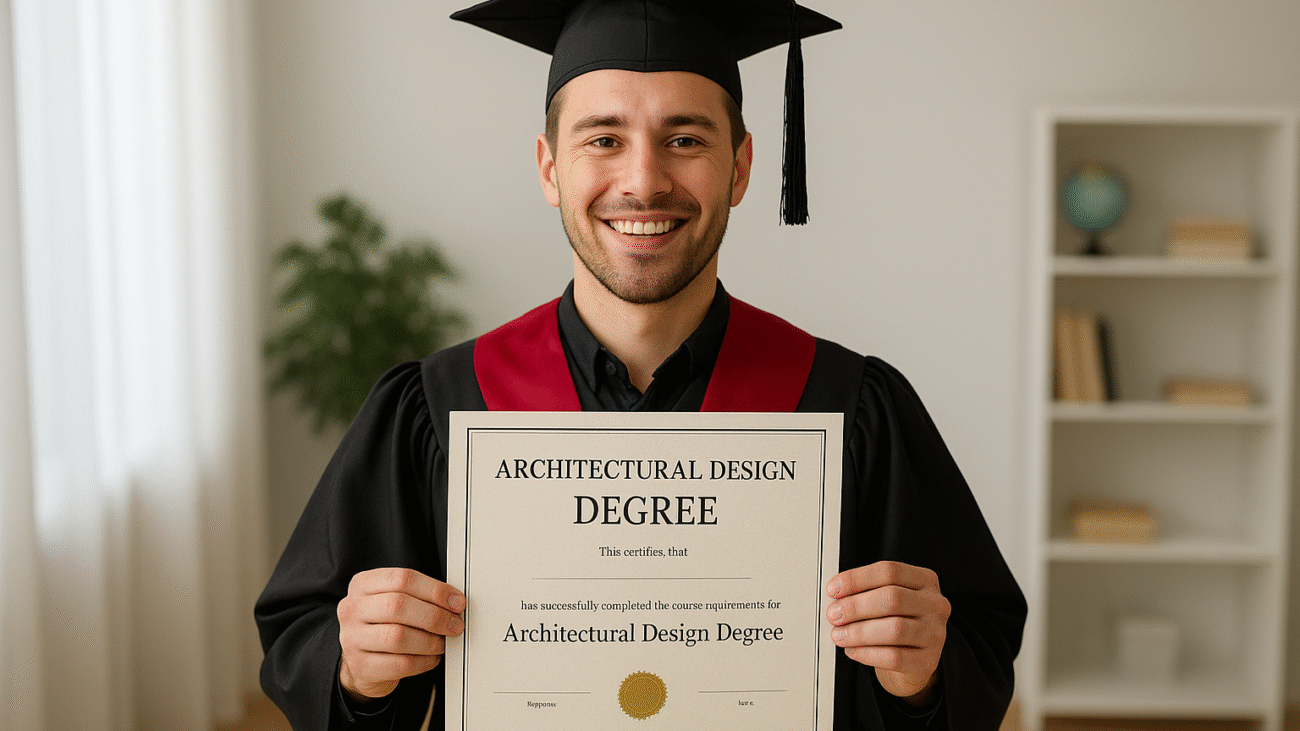
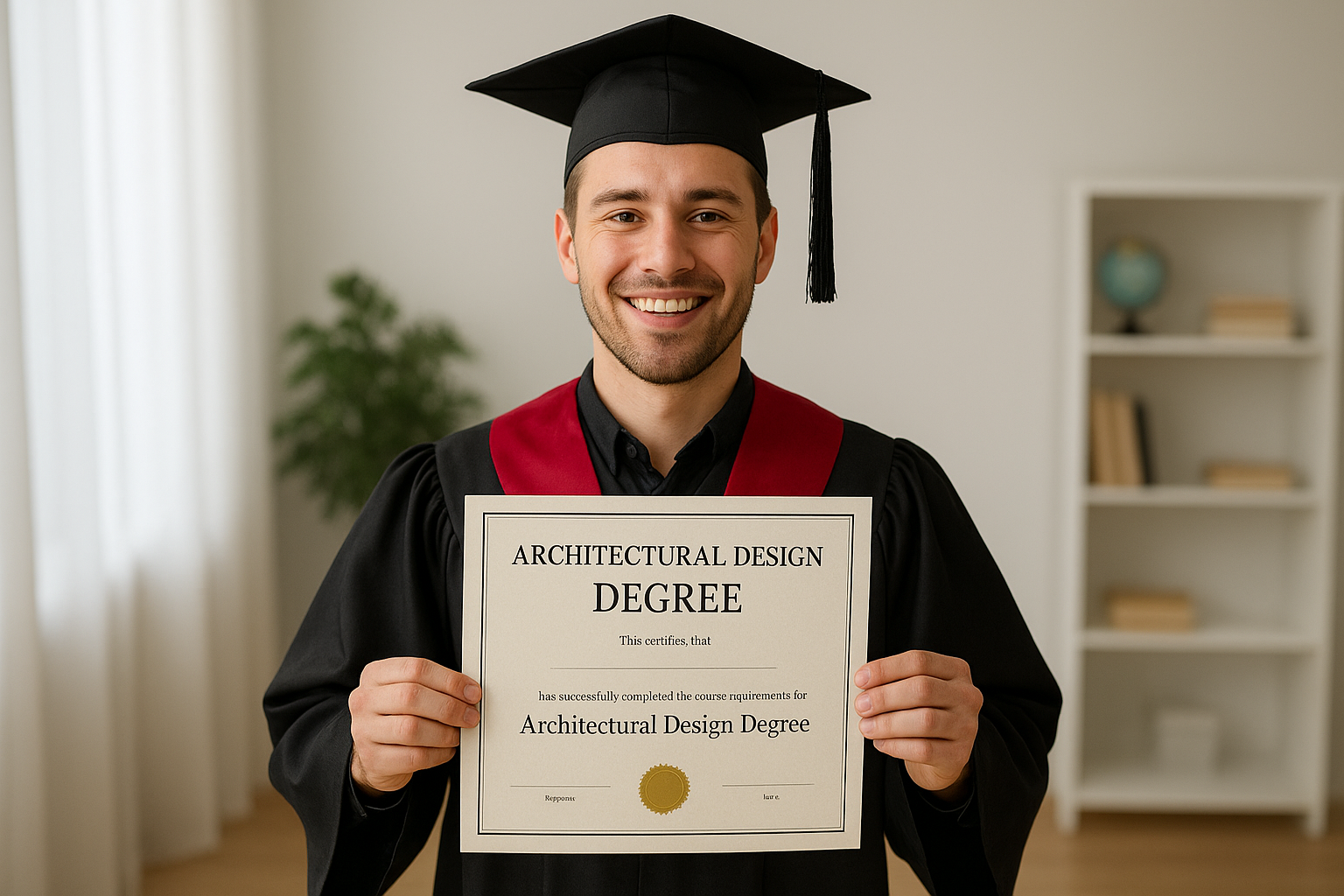
A smiling young male graduate wearing a black cap and gown with a red stole, proudly holding his Architectural Design Degree certificate indoors

Architectural Design Degree

Architectural Design Degree

A smiling young male graduate wearing a black cap and gown with a red stole, proudly holding his Architectural Design Degree certificate indoors

Architectural Design Degree: Programs, Careers, and Future Opportunities

Topics : architectural design degree , architecture degree programs , online architecture degree , engineering and architectural design

What Is an Architectural Design Degree ?

An architectural design degree is a multidisciplinary academic program that prepares students to become innovative professionals capable of shaping the built environment. It integrates artistic creativity, technical precision, engineering knowledge, and sustainability principles to train future architects and designers who can transform ideas into functional and inspiring spaces.

Students gain a deep understanding of architecture, urban planning, construction technology, and environmental systems, equipping them to address modern challenges such as urbanization, climate change, and sustainable development. Through theory and hands-on experience, this degree cultivates the balance between creativity and practicality—an essential quality for every successful architect.

Core Curriculum and Learning Experience

The journey toward an architectural design degree begins with foundational courses in drawing, mathematics, design theory, and architectural history. These build critical skills in visualization, proportion, and spatial awareness. As students progress, they encounter advanced topics such as:

  1. Building Information Modeling (BIM)
  2. Structural Engineering and Materials Science
  3. Digital Modeling and 3D Visualization
  4. Sustainable Design and Environmental Systems
  5. Project and Construction Management

A defining feature of most programs is studio-based learning. In studio courses, students develop original design projects, present their ideas, receive critiques, and refine their concepts through iterative processes. This mirrors real-world practice and encourages collaboration, problem-solving, and innovation.

Technology and Sustainability in Architecture

Modern architecture relies heavily on digital tools and sustainable thinking. Students become proficient in AutoCAD, Revit, Rhino, SketchUp, and Adobe Creative Suite, which are industry standards for drafting, modeling, and rendering. Many universities also introduce virtual reality (VR) and simulation tools that allow designers to visualize and test their projects in immersive environments.

Sustainability is now a cornerstone of architectural education. Courses in green building systems, energy efficiency, and renewable materials teach students to design with ecological responsibility. By integrating sustainable practices, graduates can create structures that minimize environmental impact and promote long-term well-being.

Interior Architectural Design Specialization

An interior architectural design degree focuses on the intersection of architecture and interior design. This specialization emphasizes how interior spaces influence human experience, health, and productivity. Students learn about space planning, lighting design, acoustics, materials, and ergonomics, ensuring that their designs are not only aesthetically pleasing but also functional and user-centered.

Technology and sustainability play crucial roles in this specialization as well. Designers use digital modeling tools and apply green design principles to create energy-efficient and eco-friendly interiors. Graduates often pursue careers in residential, commercial, hospitality, or healthcare design, or establish their own design studios catering to private clients.

Online Architectural Design Degree Options

The growth of online education has revolutionized how aspiring architects earn their degrees. An online architectural design degree offers a flexible, accessible, and affordable pathway to architectural education, particularly for working professionals or international students.

These programs maintain the same academic rigor as traditional ones but deliver it through virtual studios, interactive lectures, and digital collaboration tools. Students participate in group projects, receive real-time feedback from instructors, and often present their designs through virtual exhibitions.

Key benefits of online architecture degrees include:
  1. Flexibility: Study at your own pace and balance work or family commitments.
  2. Accessibility: Enroll in top programs without relocation.
  3. Technology-driven learning: Use BIM, 3D modeling, and VR tools remotely.

However, it’s essential to choose an accredited program (such as those recognized by the NAAB in the U.S. or equivalent bodies elsewhere). Accreditation ensures your degree meets professional standards and supports your eligibility for licensure.

Engineering and Architectural Design Integration

The engineering and architectural design degree bridges the gap between creativity and structural science. It combines engineering principles—like mechanics, materials, and physics—with architectural design thinking, enabling students to create structures that are both beautiful and technically sound.

Students in this hybrid program learn how to integrate aesthetics with functionality, design energy-efficient and safe buildings, and apply data-driven methods for construction optimization. They also explore renewable energy systems, sustainable infrastructure, and urban resilience—skills increasingly vital in the era of smart cities.

Graduates often work as architectural engineers, project consultants, sustainability experts, or construction managers, where they oversee projects from design through completion. The interdisciplinary nature of this education fosters collaboration and innovation across multiple sectors of the built environment.

Career Opportunities with an Architectural Design Degree

An architectural design degree opens a diverse range of career pathways. While becoming a licensed architect remains the most direct route, the degree’s flexibility allows graduates to explore many industries. Common career options include:

  1. Design and oversee construction of residential, commercial, and civic projects.
  2. Interior Designer: Develop functional and aesthetic indoor spaces tailored to user needs.
  3. Urban Planner: Shape sustainable city layouts, transport systems, and community spaces.
  4. Landscape Architect: Integrate nature with built environments to enhance outdoor areas.
  5. Project or Construction Manager: Supervise the execution of architectural projects.
  6. Sustainability Consultant: Implement eco-friendly design strategies and green certifications.
  7. 3D Visualization Artist or BIM Specialist: Create realistic renderings and manage digital design data.
  8. Academic or Researcher: Contribute to architectural theory, technology, or design innovation.

Additionally, entrepreneurial graduates often start their own firms, offering architectural, interior, or sustainability consulting services. With growing demand for smart, green, and resilient designs, these roles are more important than ever.

The Future of Architectural Design

The architectural profession is rapidly evolving in response to technological, environmental, and social changes. Artificial intelligence, parametric design, and generative modeling are transforming how architects conceptualize and optimize their work. Similarly, the global emphasis on sustainability and climate-resilient infrastructure is reshaping education and practice.

Future architects will need to master cross-disciplinary collaboration, data-driven design, and social responsibility. The best architectural design programs are already preparing students for this future—training them to think not only as designers but as innovators and problem solvers for a rapidly changing world.

An architectural design degree is far more than an academic qualification—it’s a gateway to shaping the physical world responsibly and creatively. By combining technical expertise, artistic vision, and sustainable principles, graduates are empowered to build environments that inspire, protect, and endure.

Whether pursuing architecture, interior design, or engineering-focused pathways, individuals with this degree are uniquely positioned to influence how we live, work, and interact with our surroundings. As technology and sustainability redefine the industry, the architectural design degree remains a powerful foundation for those determined to design a better, smarter, and greener future.

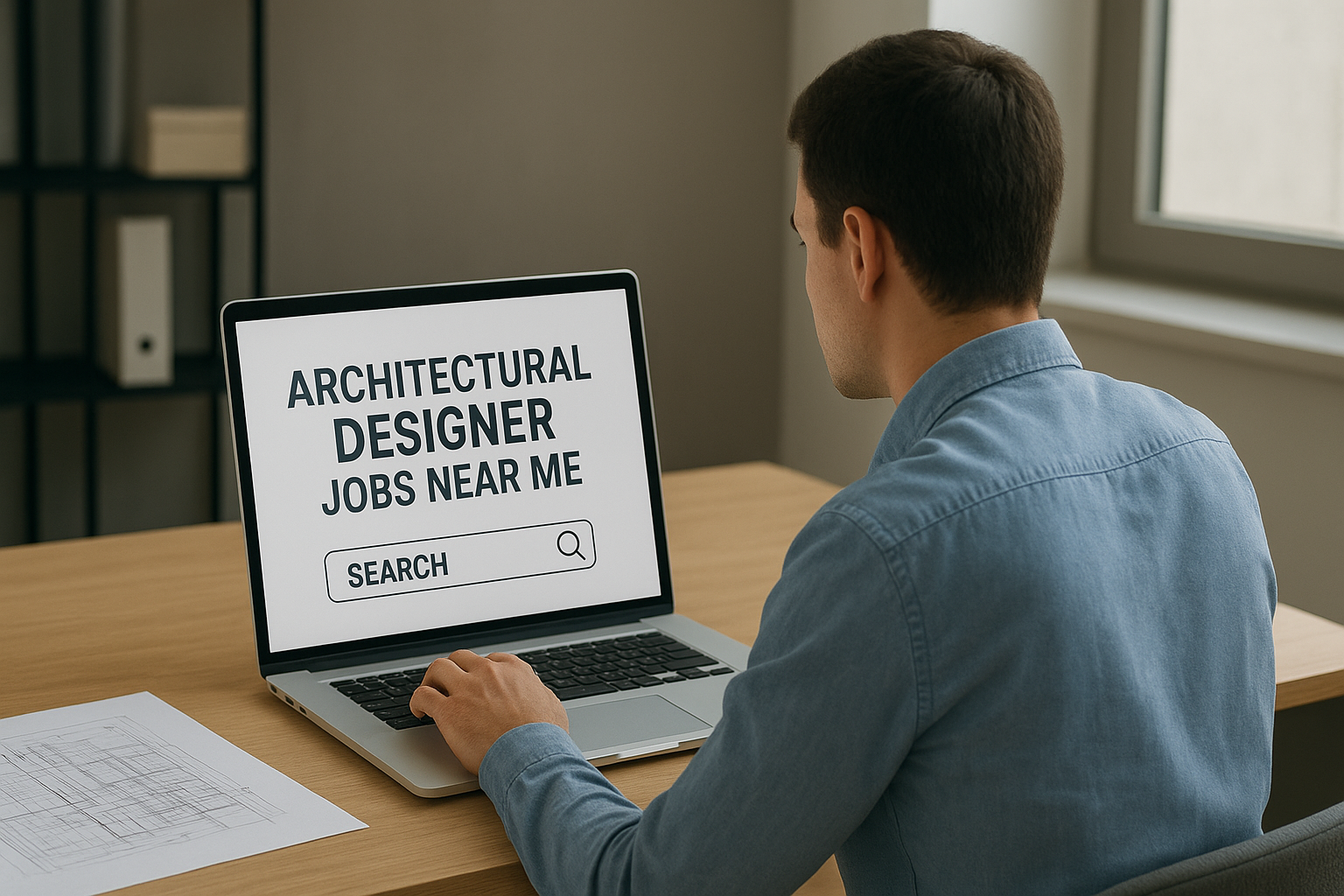
Architectural designer searching for " Architectural Designer Jobs Near Me " on a laptop in a modern office, viewed from behind

Architectural Designer Jobs Near Me

Architectural Designer Jobs Near Me

Architectural designer searching for " Architectural Designer Jobs Near Me " on a laptop in a modern office, viewed from behind

Architectural Designer Jobs Near Me: Your Complete Guide to Building a Successful Career

Understanding the Role of an Architectural Designer

An architectural designer plays a vital role in shaping the built environment by transforming conceptual ideas into functional and aesthetic structures. Their work extends far beyond drafting blueprints — it involves creative problem-solving, collaboration with architects and engineers, and ensuring that every project complies with building codes, zoning regulations, and sustainability standards.

Architectural designers are the bridge between imagination and reality. They conceptualize design ideas, develop technical drawings, and assist throughout the project lifecycle — from initial sketches to detailed construction documentation. Their ability to merge art, technology, and practicality defines the success of every architectural project.

Key Qualifications and Essential Skills

To thrive in architectural design, candidates must possess a balance of technical expertise, creativity, and project management capabilities.

Educational Background:

A degree in Architecture, Architectural Design, or a related field is typically required. Many firms also value candidates with postgraduate education or certifications in sustainable design or Building Information Modeling (BIM).

Core Skills Include:
  1. Proficiency in software such as AutoCAD, Revit, SketchUp, Rhino, and Adobe Creative Suite.
  2. Strong understanding of architectural principles, building codes, and zoning laws.
  3. Ability to create compelling 3D visualizations and detailed construction drawings.
  4. Excellent communication and teamwork skills.
  5. Creativity and adaptability to meet diverse client and project requirements.

As architecture evolves toward sustainability and digital innovation, professionals who master green design principles and cutting-edge tools like BIM or parametric modeling will remain in high demand.

How to Find Architectural Designer Jobs Near You

Finding architectural designer jobs near your location requires a combination of digital strategy, networking, and industry engagement. Here are effective ways to uncover the best opportunities:

Online Job Portals:

Platforms like Indeed, LinkedIn, Glassdoor, and Archinect frequently list architectural positions across experience levels. Use precise filters such as job title, location, and experience range.

Company Websites:

Many leading architecture firms advertise openings directly on their websites. Create alerts or subscribe to career pages of firms in your city or region.

Networking and Local Events:

Attend architecture seminars, exhibitions, and local AIA (American Institute of Architects) chapter meetups. Building relationships with professionals often leads to hidden opportunities.

University and Alumni Resources:

For recent graduates, leveraging university career services can provide valuable internship or entry-level connections.

Professional Associations:

Joining organizations like AIA, RIBA, or local architectural societies gives access to exclusive job boards, mentorship programs, and continuing education events.

Entry-Level and Junior Architectural Designer Roles

Starting your career as an entry-level or junior architectural designer offers an essential foundation in professional practice. These positions provide exposure to design development, technical drafting, and project coordination.

Key Responsibilities Include:
  1. Assisting senior architects in design concepts and project presentations.
  2. Preparing detailed drawings, 3D renderings, and documentation.
  3. Conducting site analysis and material research.
  4. Collaborating with clients, contractors, and multidisciplinary teams.
Tips for Success:
  1. Build a strong, well-curated portfolio showcasing your academic and personal projects.
  2. Tailor your resume to highlight technical software proficiency and teamwork experience.
  3. Demonstrate curiosity, adaptability, and a willingness to learn from senior professionals.
  4. Junior designers who actively participate in real-world projects gain insights that accelerate their professional growth and open pathways to senior roles.


Remote and Hybrid Architectural Designer Opportunities

The architectural landscape is becoming increasingly flexible, with remote and hybrid positions growing rapidly. Many firms now collaborate virtually, enabling designers to contribute to projects across cities or even countries.

Advantages of Remote Roles:
  1. Flexibility to work from anywhere.
  2. Exposure to international projects and diverse design approaches.
  3. Reduced commuting time and increased productivity.

However, remote designers must maintain strong communication, digital presentation, and time-management skills to thrive in virtual teams. Proficiency in collaboration tools such as Revit Cloud, BIM 360, and Microsoft Teams is particularly valuable.


Recent Architectural Designer Job Trends

The job market for architectural designers has shown steady growth over the past months. In the last week alone, many firms have posted vacancies for positions ranging from junior designers to senior project architects, especially in regions focusing on urban development and green infrastructure.

Key hiring trends include:
  1. Increased demand for sustainable and energy-efficient design specialists.
  2. Preference for candidates with strong BIM and visualization expertise.
  3. Growing number of remote and freelance design opportunities.
  4. Staying updated with these market dynamics ensures you remain competitive and aligned with evolving employer expectations.


Career Growth and Future Outlook

Architectural design offers a long-term career pathway filled with innovation and impact. Experienced designers can progress to roles such as Project Architect, Design Manager, or Creative Director.

As the world moves toward smart cities and climate-responsive design, the profession will increasingly value individuals who merge aesthetic excellence with environmental awareness. Continuous learning, professional certification, and staying updated with technology trends will remain essential for sustained success.

Exploring architectural designer jobs near you is more than just a job search — it’s an opportunity to shape communities, redefine skylines, and contribute to sustainable progress. Whether you’re an aspiring graduate or an experienced designer, success lies in staying informed, adaptable, and connected to the evolving architectural landscape.

By combining technical mastery with creativity and collaboration, you can build a fulfilling career that leaves a lasting impact on the world around you.

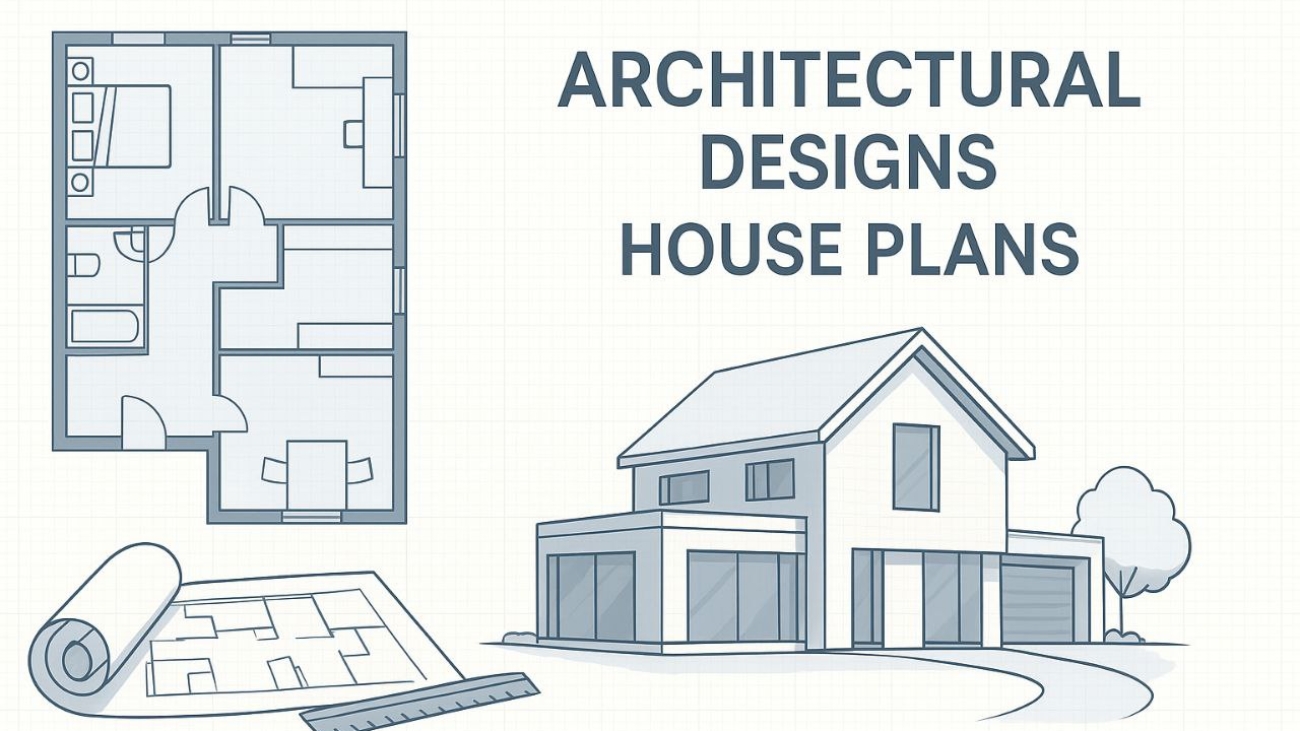
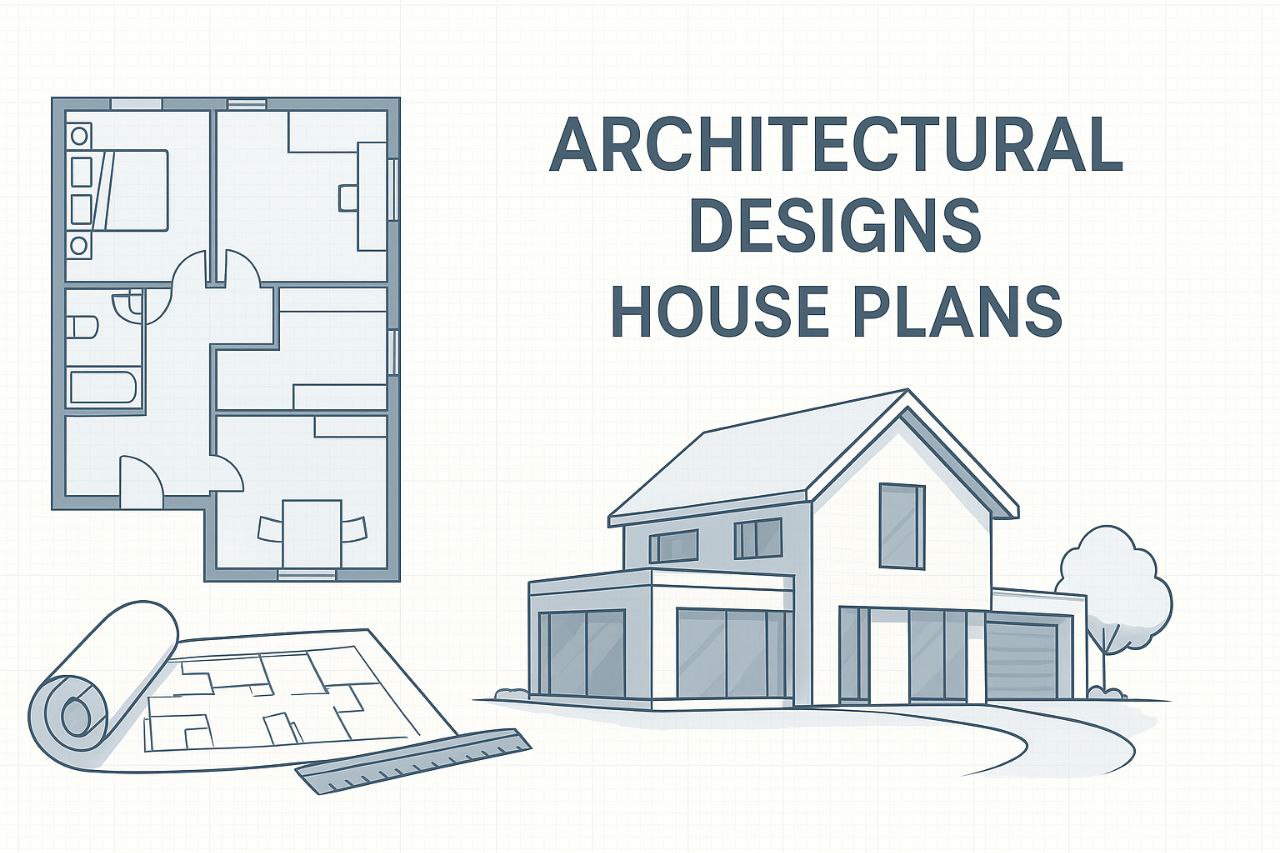
Modern architectural house plans with detailed design layouts and creative home concepts.

Architectural Designs House Plans

Architectural Designs House Plans

Modern architectural house plans with detailed design layouts and creative home concepts.

Architectural Design and Modern House Plans: Trends, Functionality, and Sustainable Innovation

Understanding Architectural Designs House Plans

Architectural design is more than drawing plans; it’s the art and science of creating structures that respond to human needs and environmental conditions. A good design harmonizes aesthetics with practicality—ensuring that every element serves a purpose while maintaining visual appeal. The best architectural plans integrate space, light, materials, and texture to achieve a coherent and functional whole.

Modern house design often begins with careful site analysis—understanding factors like sunlight, wind flow, topography, and surrounding context. These insights guide the placement of rooms, windows, and outdoor areas to maximize natural ventilation and energy efficiency.


Key Elements of Modern House Plans

1. Functionality and Space Optimization

A modern home must meet the lifestyle and comfort needs of its inhabitants. Functional house plans prioritize flow and connectivity between spaces. Open-plan layouts—combining the kitchen, living, and dining areas—have become popular because they promote interaction and flexibility. Private areas such as bedrooms and home offices are strategically placed for privacy and tranquility.

Efficient use of space is essential. Architects minimize dead zones, utilize storage smartly, and design flexible spaces that can adapt to changing family needs.

2. Aesthetic Appeal and Style

A home’s appearance is a reflection of its owners’ personality and taste. Modern architectural design often emphasizes simplicity, clean lines, and natural materials. Neutral color palettes, large glass windows, and flat or low-pitched roofs define many contemporary homes.
Meanwhile, transitional designs blend classic elements with modern touches, achieving a timeless and balanced aesthetic.

3. Integration of Technology

Technology plays a major role in modern architecture. Building Information Modeling (BIM) and 3D visualization tools allow architects to refine every detail before construction begins. Smart home systems—automated lighting, climate control, and security—are now integral parts of house planning. These technologies enhance convenience, safety, and energy efficiency.

4. Sustainability and Green Design

Sustainability is no longer optional—it’s essential. Eco-friendly homes integrate renewable energy sources like solar panels, rainwater harvesting systems, and natural insulation materials. Passive design strategies—using window orientation, shading, and cross-ventilation—reduce energy consumption. Green roofs and vertical gardens further enhance air quality and thermal comfort.

Architects today prioritize low-carbon materials, waste reduction, and designs that minimize environmental impact while maintaining beauty and comfort.


The Process of Creating a House Plan

Developing a house plan involves multiple stages:

  1. Client Consultation: Understanding lifestyle, family size, and preferences.
  2. Site Analysis: Studying orientation, soil conditions, and climate.
  3. Concept Design: Creating initial sketches and layouts.
  4. Detailed Planning: Preparing technical drawings, elevations, and structural details.
  5. Visualization: Using 3D models or renders to preview the design.
  6. Construction Documentation: Finalizing plans for builders and local approval.

This systematic process ensures that the final outcome aligns with both client expectations and architectural best practices.


Popular Modern House Design Trends

1. Open Concept Living

Modern homes increasingly favor open, flexible layouts that connect indoor and outdoor spaces seamlessly. This enhances natural light, improves ventilation, and fosters social interaction.

2. Minimalist Architecture

“Less is more” defines this trend. Simple forms, uncluttered interiors, and limited color palettes create spaces that feel calm, spacious, and timeless.

3. Biophilic Design

This approach integrates nature into architecture—through green walls, indoor plants, natural materials, and large windows with garden views. It enhances mental well-being and reduces stress.

4. Smart and Connected Homes

With the rise of smart technology, homeowners can now control lighting, temperature, and security remotely. These systems not only add convenience but also improve energy efficiency.

5. Sustainable Urban Living

Architects are developing compact, eco-conscious designs suited for urban environments—maximizing limited space without sacrificing comfort or aesthetics.


Importance of Sustainability in Architectural Design

Sustainability lies at the heart of modern architecture. Designing with environmental awareness ensures that homes are not only efficient today but adaptable for the future.
Energy-efficient layouts, solar orientation, and water-saving systems reduce carbon footprints while lowering long-term costs. Sustainable design also enhances property value and promotes responsible urban development.


Visual Representation and Modern Examples

Visuals play a vital role in architectural design. Renderings and photos help clients understand proportions, materials, and finishes. From sleek urban apartments to spacious countryside villas, today’s designs demonstrate how creativity and sustainability can coexist harmoniously.
Modern houses often feature open terraces, large glass façades, and seamless indoor-outdoor transitions—blurring the boundaries between architecture and nature.


Architectural design and modern house plans define the way we live and experience our surroundings. A well-designed home goes beyond aesthetics—it improves daily life, enhances well-being, and reflects environmental responsibility. As technology and sustainability continue to evolve, architecture will keep pushing boundaries to create smarter, greener, and more meaningful spaces.

In essence, great architectural design is timeless—it respects nature, embraces innovation, and builds environments that inspire generations to come

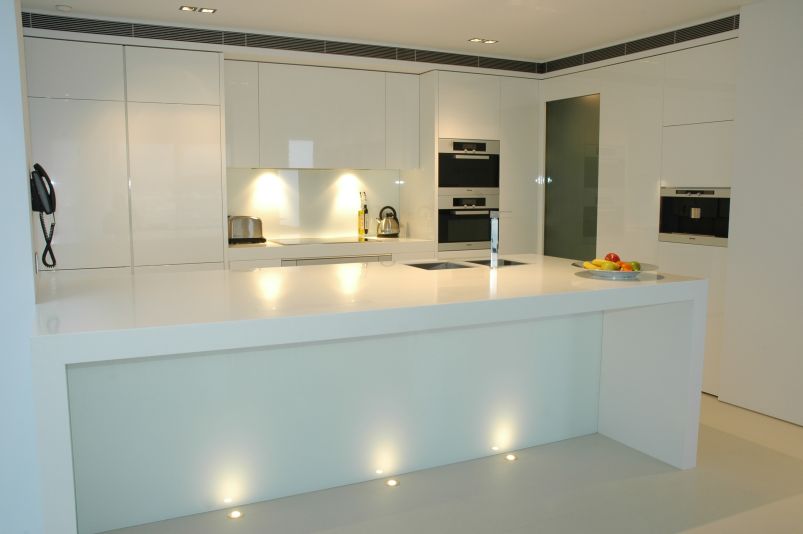
Modern Kitchen

Modern Kitchen

Minimalist White Kitchen Design | Sleek Modern Interior

View Project
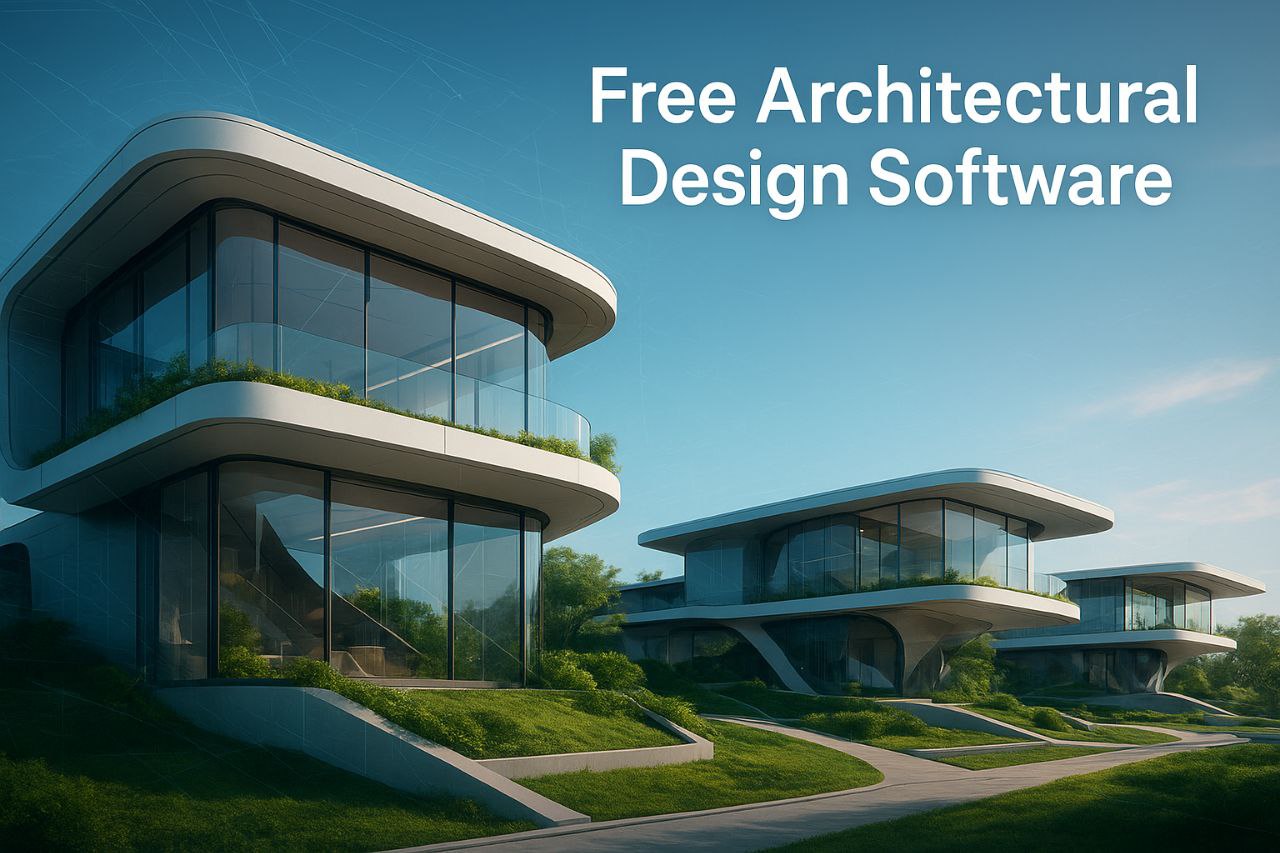
Free Architectural Design Software

Free Architectural Design Software

Explore top free architectural design software tools for 2025, including Planner 5D, SketchUp Free, and more.

Read Article
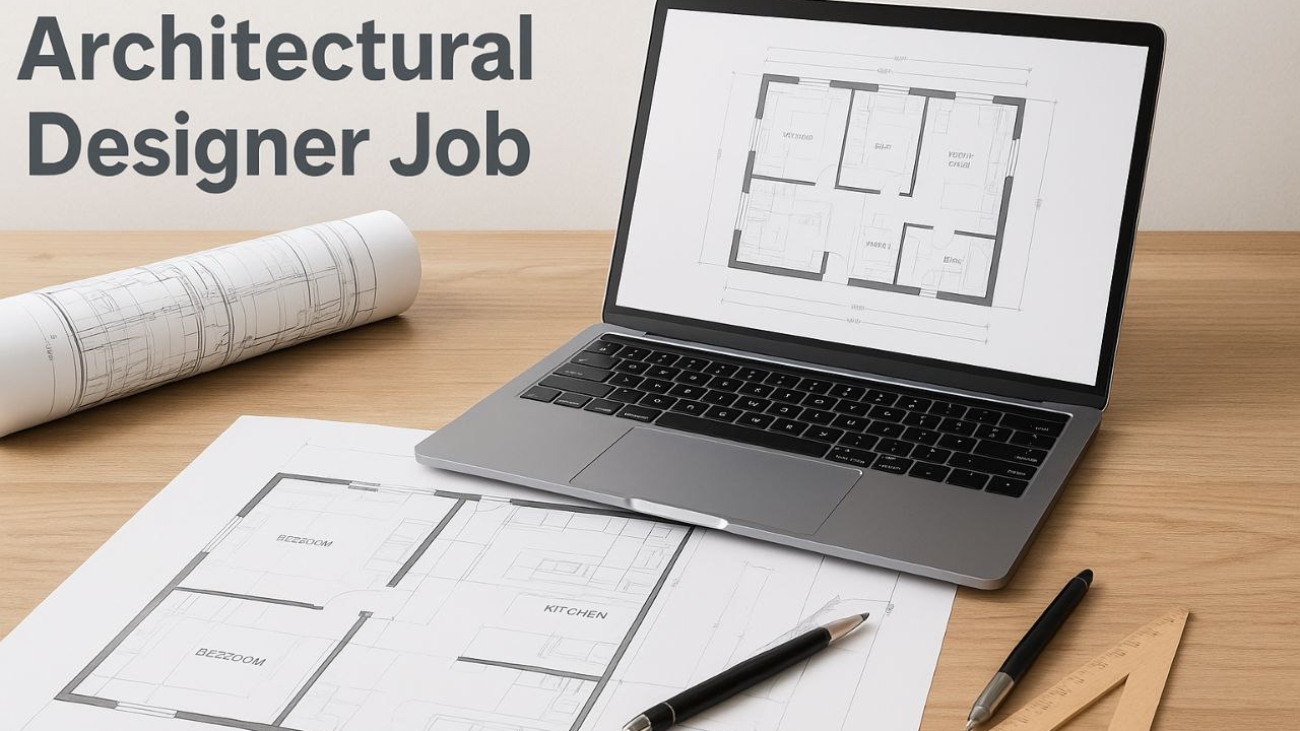
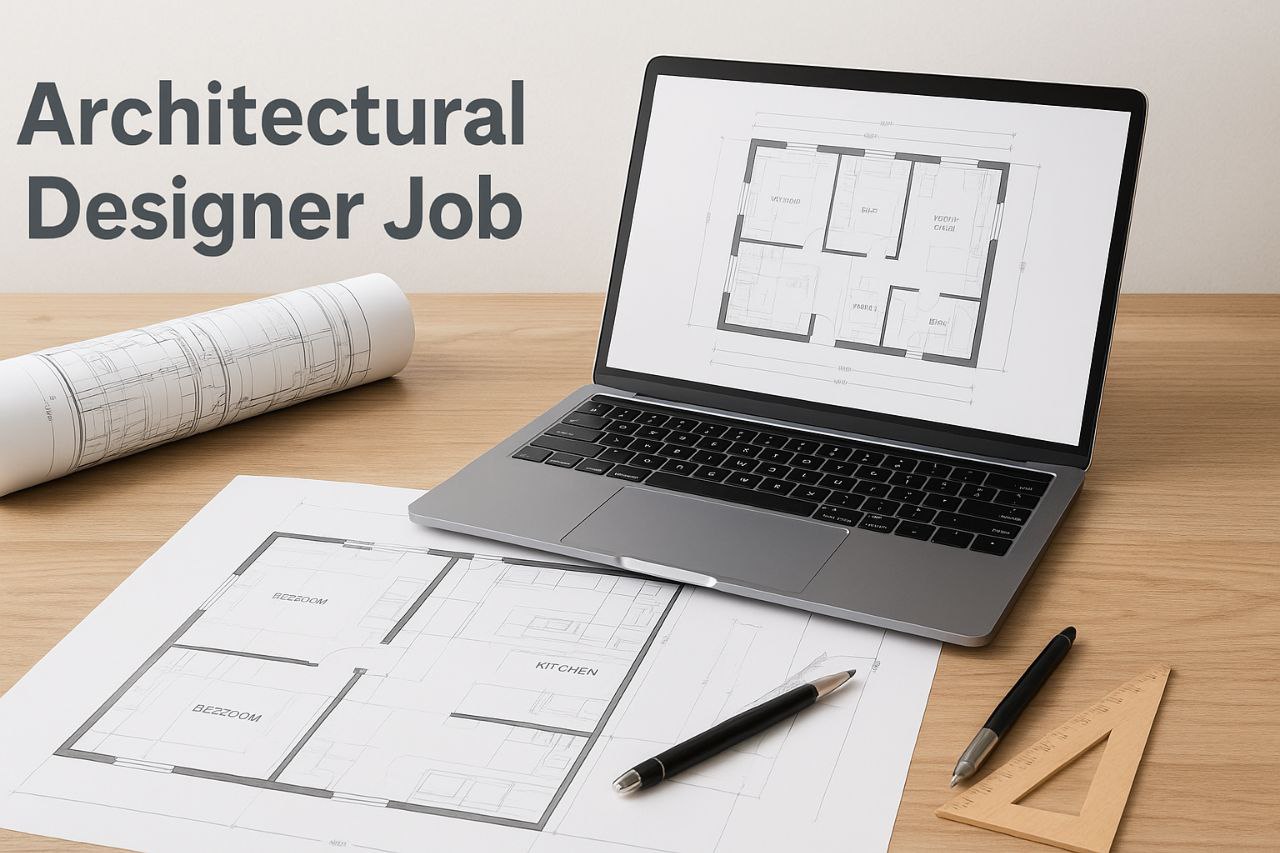
Architectural designer job concept with modern workspace, laptop, and house plans

Architectural Designer Job

Architectural Designer Jobs

Architectural designer job concept with modern workspace, laptop, and house plans

Understanding Architectural Designer Jobs: Roles, Skills, and Career Opportunities

Key Responsibilities of Architectural Designers

Architectural designers typically begin their projects by understanding client requirements, site conditions, and project constraints. They produce preliminary sketches and conceptual designs that explore different architectural styles and spatial arrangements. Using advanced software such as AutoCAD, Revit, SketchUp, and Rhino, they transform these ideas into detailed plans and visualizations. During the development phase, they coordinate with engineers, interior designers, and contractors to ensure the design’s feasibility and compliance with building codes and sustainability standards.

An essential aspect of an architectural designer’s role is maintaining a balance between aesthetics, functionality, and cost-efficiency. They often prepare presentation materials to communicate their vision to clients and stakeholders, incorporating renderings and virtual walkthroughs that bring the design to life. Furthermore, they assist in the preparation of construction documents, specifications, and permits required for project approval and execution.

Skills and Qualifications

Successful architectural designers possess a blend of technical expertise and creative talent. Proficiency in design software, knowledge of building codes, and understanding of structural and mechanical systems are fundamental. Strong visualization skills, attention to detail, and the ability to think critically are equally important. Additionally, good communication and presentation skills enable them to articulate their ideas effectively to clients and team members.

Educationally, most architectural designers hold a degree in architecture or a related field. While some roles may require licensure as an architect, many positions in design firms focus on the creative and conceptual aspects of architecture, offering opportunities for growth even without a professional license.

Career Path and Opportunities

The architectural design field offers diverse career paths. Entry-level positions often involve assisting senior designers, working on drafting, and gaining practical experience. With experience, designers can progress to senior designer roles, project managers, or even start their own design studios. Specializations such as sustainable design, urban planning, or historic preservation can further enhance career prospects.

The demand for architectural designers is influenced by factors such as urban development, infrastructure projects, and a growing emphasis on environmentally friendly buildings. The rise of digital tools and Building Information Modeling (BIM) has also transformed workflows, making collaboration more efficient and design visualization more realistic.

Architectural designer jobs play a vital role in shaping the environments where we live, work, and play. Combining creativity with technical knowledge, these professionals help turn visionary ideas into reality. As cities expand and sustainability becomes increasingly important, the need for skilled architectural designers continues to grow, offering exciting opportunities for those passionate about design and architecture. Whether working on residential projects, commercial complexes, or public spaces, architectural designers contribute significantly to creating functional, beautiful, and sustainable built environments.

Architectural Design

Architectural Design

View Project
How to Plan a Successful Villa Renovation Without Stress

How to Plan a Successful Villa Renovation Without Stress

Read Article
Interior Architectural Design

Interior Architectural Design

Interior Architectural Design

Interior Architectural Design

Understanding the Interior Architectural Design 

Interior architectural design is a multifaceted discipline that seamlessly blends aesthetics with functionality to create harmonious and inspiring indoor environments. At its core, interior architecture involves the thoughtful planning and design of interior spaces, considering both structural elements and decorative aspects to enhance the user experience. This field requires a deep understanding of spatial dynamics, materials, lighting, and human behavior, all aimed at crafting environments that are not only beautiful but also practical and comfortable.

A fundamental aspect of interior architectural design is space planning. This process involves organizing interior spaces to optimize flow, accessibility, and usability. Effective space planning ensures that every square foot serves a purpose, whether it’s a cozy living room, an efficient office, or a welcoming retail space. It requires an acute awareness of how individuals interact with their surroundings and the ability to anticipate their needs. Designers must consider furniture placement, circulation routes, and zoning to create intuitive and inviting environments.

Material selection is another critical component. The choice of materials impacts the aesthetic appeal, durability, acoustics, and sustainability of a space. Modern interior architects are increasingly advocating for eco-friendly and sustainable materials to minimize environmental impact. From natural wood finishes to recycled composites, the material palette offers endless possibilities for expressing style while maintaining functionality.

Lighting design also plays a pivotal role in interior architecture. Proper lighting enhances the visual appeal, emphasizes architectural features, and influences the mood of a space. Designers often combine natural light with layered artificial lighting—ambient, task, and accent—to create dynamic and adaptable environments. Thoughtful lighting design can transform a simple room into a sophisticated and inviting setting.

Furthermore, interior architectural design is deeply influenced by cultural, social, and technological trends. Contemporary designs often emphasize minimalism, clean lines, and open spaces, reflecting a desire for simplicity and clarity. Smart technology integration has revolutionized interior spaces, allowing for automation of lighting, climate control, and security systems, thereby increasing convenience and efficiency.

The role of the interior architect extends beyond aesthetics; it involves understanding building codes, safety regulations, and ergonomic principles to ensure spaces are safe and accessible for all users. Collaboration is also essential in this field, working closely with architects, clients, engineers, and contractors to realize a cohesive vision.

In conclusion, interior architectural design is a dynamic and integral part of architecture that transforms interior spaces into functional works of art. It requires a holistic approach, balancing artistic creativity with technical expertise and user needs. As the world evolves, so does the discipline, embracing innovative materials, sustainable practices, and cutting-edge technology to shape environments that inspire, comfort, and serve their inhabitants effectively.

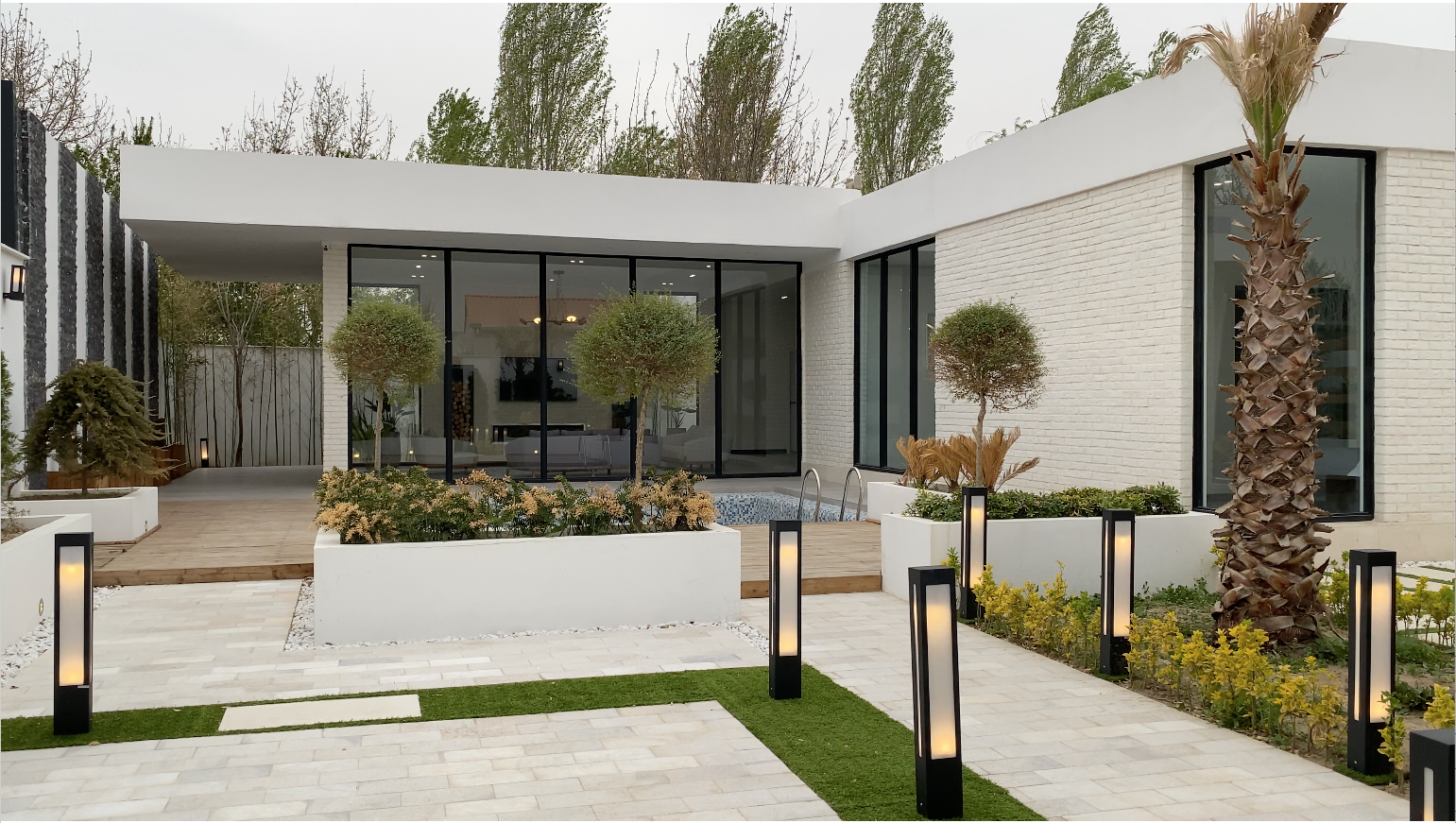
Minimalist Villa

Minimalist Villa

View Project
How to Plan a Successful Villa Renovation Without Stress

How to Plan a Successful Villa Renovation Without Stress

Read Article
Architectural Designer Salary - 3D modern graphic with bold text, futuristic buildings, dollar coin, and rising chart

Architectural Designer Salary

The architectural designer salary reflects the balance between creative vision, technical expertise, and economic demand. As architecture evolves through sustainability, digitalization, and interdisciplinary collaboration, compensation structures have followed suit. Understanding what drives salaries in this field helps both emerging professionals and employers make informed decisions. 


What Does an Architectural Designer Do?

Architectural designers bridge the gap between concept and execution.
They assist in creating plans, 3D models, and visual presentations, ensuring compliance with codes and sustainability standards.

While not always licensed architects, they play a crucial role in the design process—translating client needs into technical solutions.

Junior designers focus on drafting, rendering, and modeling.
Senior designers lead teams, manage projects, and drive creative direction.

Proficiency in software such as Revit, Rhino, and Grasshopper greatly enhances employability and salary potential.


Average Architectural Designer Salary

As of 2025, the average salary for an architectural designer in the U.S. ranges between $58,000 and $86,000 per year, with a median around $72,000.

High-paying cities include:

New York City, San Francisco, Seattle — over $85,000 annually
Midwestern and Southern states — slightly lower pay but balanced by lower living costs

Globally, compensation aligns with local economies: Western Europe and Australia mirror U.S. rates, while parts of Asia and the Middle East offer competitive packages with housing or relocation benefits.


Architectural Designer Salary by Experience Level

Junior Architectural Designer Salary

Entry-level designers earn $45,000–$60,000 annually.
Their work includes preparing technical drawings, developing visual presentations, and supporting senior staff. Growth at this stage depends heavily on software mastery and accuracy.

Mid-Level Designer Salary

With 5–8 years of experience, salaries rise to $65,000–$80,000.
Designers at this level manage small projects, participate in design development, and contribute to client presentations. Strong communication and coordination skills become vital.

Senior Architectural Designer Salary

Senior designers, typically with 10+ years of experience, earn $85,000–$110,000 or more.
They lead design teams, oversee complex projects, and provide strategic design leadership. Advanced digital and management skills distinguish high earners in this tier.


Factors Influencing Architectural Designer Salaries

1. Location

Metropolitan markets like New York, Los Angeles, London, and Singapore pay significantly more than smaller cities due to cost of living and project scale.

2. Education and Credentials

A B.Arch or M.Arch degree enhances career prospects. Additional certifications like LEED or BIM Management often lead to higher pay.

3. Technical Expertise

Proficiency in Revit, AutoCAD, Rhino, and Adobe Suite boosts compensation.
Emerging skills in parametric design and AI-driven modeling are increasingly valuable.

4. Firm Size and Project Type

Larger firms tend to offer structured salary growth and benefits, while smaller studios provide flexibility and creative freedom.
Designers in commercial or institutional projects usually earn more than those in residential sectors.

5. Economic Conditions

Architectural salaries reflect construction market trends.
Periods of high development increase demand, while slowdowns can limit raises—but sustainability and digital design remain steady markets.


3D Architectural Designer Salary

With 3D design becoming central to modern architecture, specialists in 3D modeling and visualization now command premium salaries — typically $70,000 to $95,000, with top-tier experts surpassing $100,000.

They utilize tools like Enscape, Lumion, and Unreal Engine to create immersive environments and virtual walkthroughs.
Firms prioritize these professionals for their ability to enhance presentations and improve client engagement.


Industry Trends Affecting Pay

  1. Sustainability & Green Design: Knowledge of eco-friendly materials and energy-efficient design boosts employability.
  2. Remote Collaboration: Global firms increasingly hire designers remotely, leading to more equalized pay scales.
  3. Computational & AI Design: Data-driven design is elevating designers’ roles to strategic contributors.
  4. Automation & BIM Integration: Efficiency tools are allowing designers to focus on conceptual innovation rather than repetitive drafting.
 
Global Salary Overview

The global market for architectural services is projected to grow steadily due to rapid urbanization and sustainability mandates.
Regions like North America, the Gulf, and East Asia show the strongest salary potential for experienced professionals.
In contrast, European markets emphasize adaptive reuse and carbon-neutral retrofits, where niche expertise commands higher compensation.


 The architectural designer salary embodies the profession’s blend of creativity, analytics, and technology.
From junior to senior levels, pay is influenced by skill, experience, and adaptability to evolving tools and trends.

Designers who combine digital fluency, environmental awareness, and strategic design thinking will continue to see the greatest opportunities — both financially and professionally — in the years ahead.

Grand Wedding Hall

Grand Wedding Hall

View Project
How to Plan a Successful Villa Renovation Without Stress

How to Plan a Successful Villa Renovation Without Stress

Read Article